

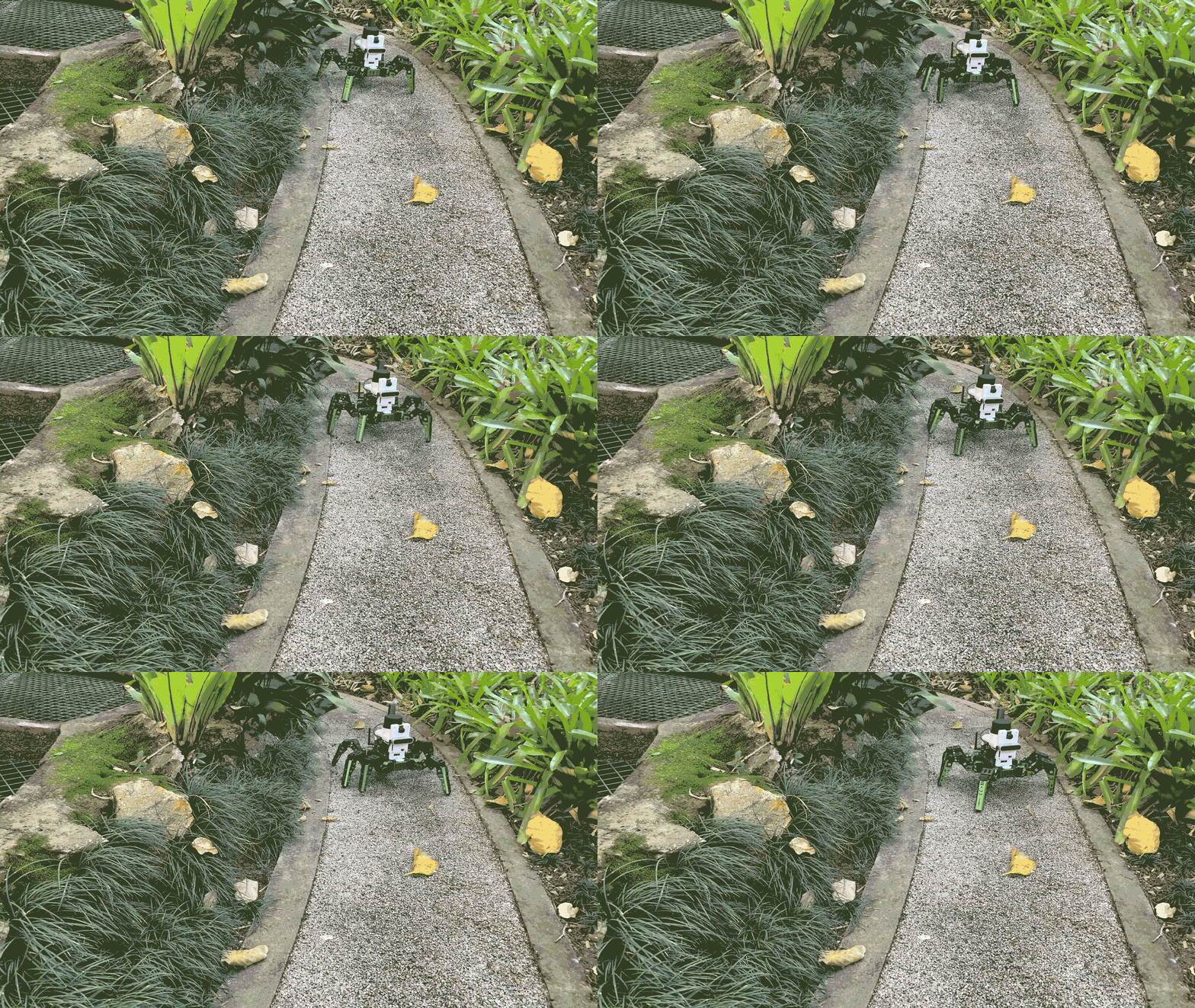
A Revolutionary Leap in Robotic Vision
A cutting-edge vision system known as LENS is poised to transform the way robots perceive their surroundings. Developed by a team of researchers, this new ‘eye’ mimics the biological efficiency of human vision, allowing robots to recognize locations using a fraction of the energy traditional systems require. According to a study published in the June issue of Science Robotics, the LENS system occupies less storage space than a single smartphone photo and consumes just 10 percent of the power used by conventional location systems.
Roboticist Yulia Sandamirskaya of Zurich University of Applied Sciences, unaffiliated with the study, emphasized its potential, stating that such a low-energy vision system could be invaluable for space exploration, undersea missions, drones, and even microrobots used for internal medical diagnostics.
The Core Components of LENS
LENS comprises three primary elements: a sensor, a specialized chip, and a compact artificial intelligence (AI) model. Central to the system is a commercially available sensor-chip duo called Speck, produced by the company SynSense. Speck’s visual sensor operates in a manner more akin to the human eye than a conventional camera, making it significantly more efficient.
“Cameras typically capture massive amounts of visual data, most of which are redundant when the environment remains unchanged,” explained study coauthor Adam Hines, a bioroboticist at Queensland University of Technology in Brisbane, Australia. “This data requires extensive processing, which drains power.”
In contrast, the Speck sensor detects only changes in brightness—mimicking the way human eyes focus on shifts in the environment. “Each pixel in Speck’s sensor activates only when it senses a change,” Hines noted. This design allows the system to prioritize essential visual structures, such as edges and contours.
Neuromorphic Computing: Mimicking the Brain
The sensor feeds data to a neuromorphic processor—hardware designed to emulate the spiking neurons of the human brain. This processor activates only when new information is received, further conserving energy.
The LENS AI model is uniquely built to work with this energy-efficient stream of data. Unlike large-scale AI models that rely on extensive datasets, this model learns to recognize environments by focusing on essential visual cues. By analyzing edges and changes captured by the sensor, the model constructs a memory of places.
“This approach is fundamentally different from the mainstream AI models used in chatbots or image recognition,” said Hines. “It’s tailored for efficiency and minimal resource consumption.”
Efficiency for the Future
Traditional robotic vision systems, which combine cameras with large AI models, are notorious for their energy consumption. In many mobile robots, vision-based location tracking can drain up to a third of the battery. LENS offers a stark contrast by reducing this demand to just a tenth, extending operational life and enabling longer missions in power-constrained environments.
“It is, frankly, insane that we got used to using cameras for robots,” remarked Sandamirskaya. She believes the LENS system represents a much-needed shift towards more biologically inspired technologies in robotics.
The efficient combination of neuromorphic computing and biologically inspired sensing is what gives LENS its edge. This technology could not only redefine how robots navigate but also how they interact with their surroundings across diverse domains—from autonomous vehicles to wearable medical devices.
Applications and Implications
Robots equipped with LENS could excel in environments where power sources are limited or recharging is impractical. Think of deep-sea exploration, where recharging a robot is nearly impossible, or in space missions, where every watt of power is precious. Similarly, microrobots designed to traverse the human digestive system could benefit enormously from such low-power vision systems.
Moreover, this innovation could pave the way for smarter, more sustainable AI systems. As concerns about the energy footprint of AI grow, technologies like LENS highlight how efficiency and intelligence can go hand in hand.
This article is inspired by content from Original Source. It has been rephrased for originality. Images are credited to the original source.