

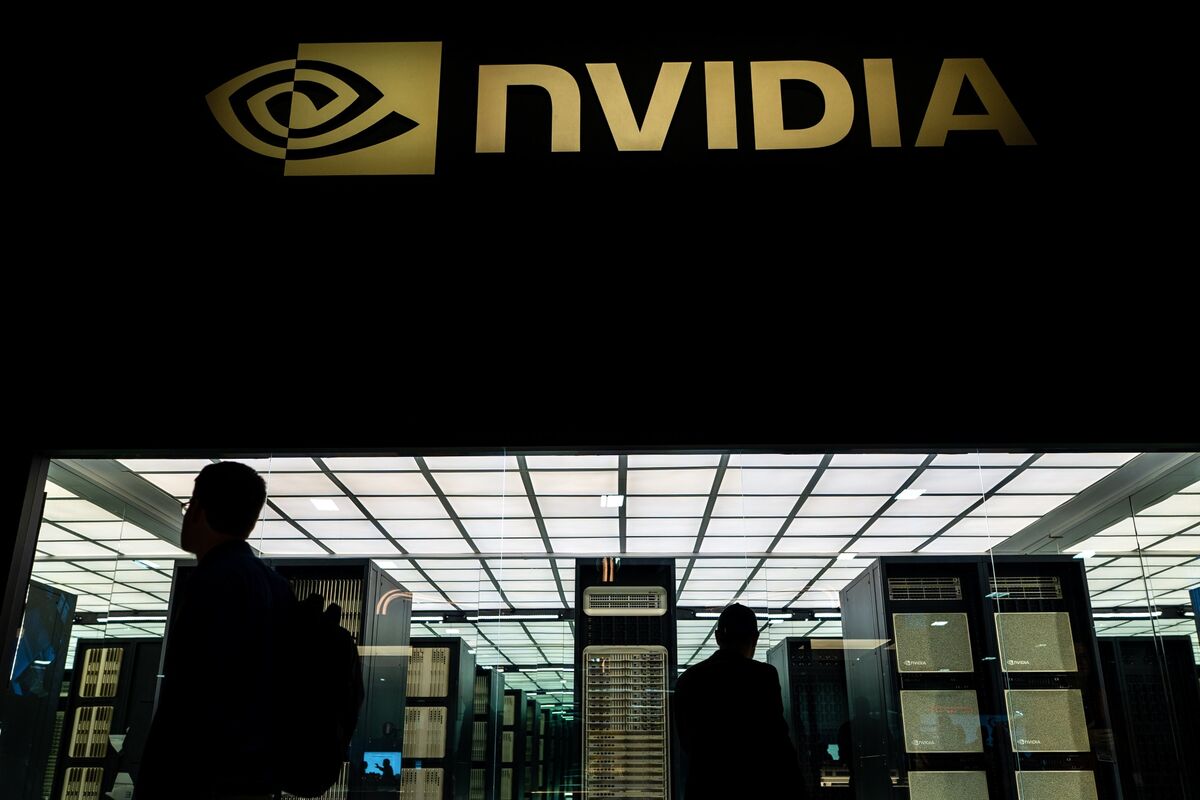
Nvidia Secures U.S. Green Light for AI Chip Exports
President Donald Trump has officially granted Nvidia Corp. permission to export its advanced H200 artificial intelligence chips to China, contingent on a 25% surcharge. This decision marks a significant policy shift and could open the door for Nvidia to reclaim billions in revenue from a critical global market.
The announcement was made via Trump’s Truth Social platform, where he stated that the deal had been communicated to Chinese President Xi Jinping and received a positive response. The approval follows weeks of internal discussions among Trump’s advisers on the implications of allowing high-tech exports to China amid ongoing geopolitical and economic tensions.
Strategic Implications of the Approval
By allowing Nvidia to resume exports of its H200 chips, the U.S. acknowledges the importance of balancing national security concerns with economic interests. The chips play a key role in AI development and have been in high demand globally, particularly in China’s rapidly growing tech sector.
Trump emphasized that the approval is limited to “approved customers,” indicating that the U.S. government will maintain oversight of the end users in China. This measure is likely aimed at ensuring that the technology does not end up in the hands of Chinese military or surveillance entities.
“Only vetted and approved customers will receive shipments,” Trump stated, signaling a cautious but strategic opening of trade channels.
Nvidia’s Market Position and Financial Stakes
Nvidia is currently the world’s most valuable semiconductor company, thanks largely to the explosive demand for AI chips. The H200 chip, in particular, is considered one of the most powerful processors for machine learning and data-intensive tasks.
The restriction on exports to China had previously hindered Nvidia’s ability to serve one of its largest markets. With the new approval in place, the company stands to regain significant business opportunities that had been curtailed by U.S. trade policies.
The 25% surcharge acts both as a regulatory tool and a potential revenue generator for the U.S. government. It also reflects Washington’s intent to maintain a level of control over sensitive technology exports while leveraging economic benefits.
Broader Industry Impact
Nvidia is not the only company affected by this policy change. Trump mentioned that other U.S. chipmakers, including Intel Corp. and Advanced Micro Devices Inc. (AMD), would also be eligible to export chips under similar conditions. This opens up possibilities for increased U.S. tech exports to China, albeit under tighter scrutiny.
Industry analysts suggest that this could set a new precedent for how advanced technologies are traded between the two economic superpowers. It provides a framework where national security and economic diplomacy are negotiated through conditional approvals and financial surcharges.
“This could be a model for future high-tech trade,” said a senior industry consultant. “It’s a compromise that acknowledges both market realities and policy constraints.”
China’s Response and Future Outlook
China’s reaction, as reported by Trump, has been favorable. President Xi Jinping reportedly welcomed the move, suggesting a potential thaw in U.S.-China tech relations. However, the Chinese government has not yet issued an official statement regarding the approval or the surcharge conditions.
This development comes at a time when China is aggressively pursuing self-reliance in semiconductor manufacturing. While the approval gives Chinese companies access to cutting-edge chips in the short term, it may also accelerate efforts to develop domestic alternatives to U.S.-made technology.
Nvidia, meanwhile, is expected to ramp up production and logistics to meet renewed demand from Chinese clients. The company has not yet released an official statement but is likely to address the implications in upcoming investor communications.
Geopolitical and Economic Considerations
The move to allow chip exports underscores the complex interplay between geopolitics and global trade. With AI technology increasingly viewed as a strategic asset, decisions like this one are laden with broader consequences.
While the U.S. maintains its commitment to safeguarding national security, this approval illustrates a willingness to engage with China under defined terms. The surcharge acts as both a deterrent and a negotiating tool, potentially setting the stage for more nuanced trade agreements in the future.
Trump’s administration has previously taken a hardline stance on China, especially in the realm of technology and intellectual property. This latest decision suggests a more flexible approach that still prioritizes American interests.
This article is inspired by content from Original Source. It has been rephrased for originality. Images are credited to the original source.