

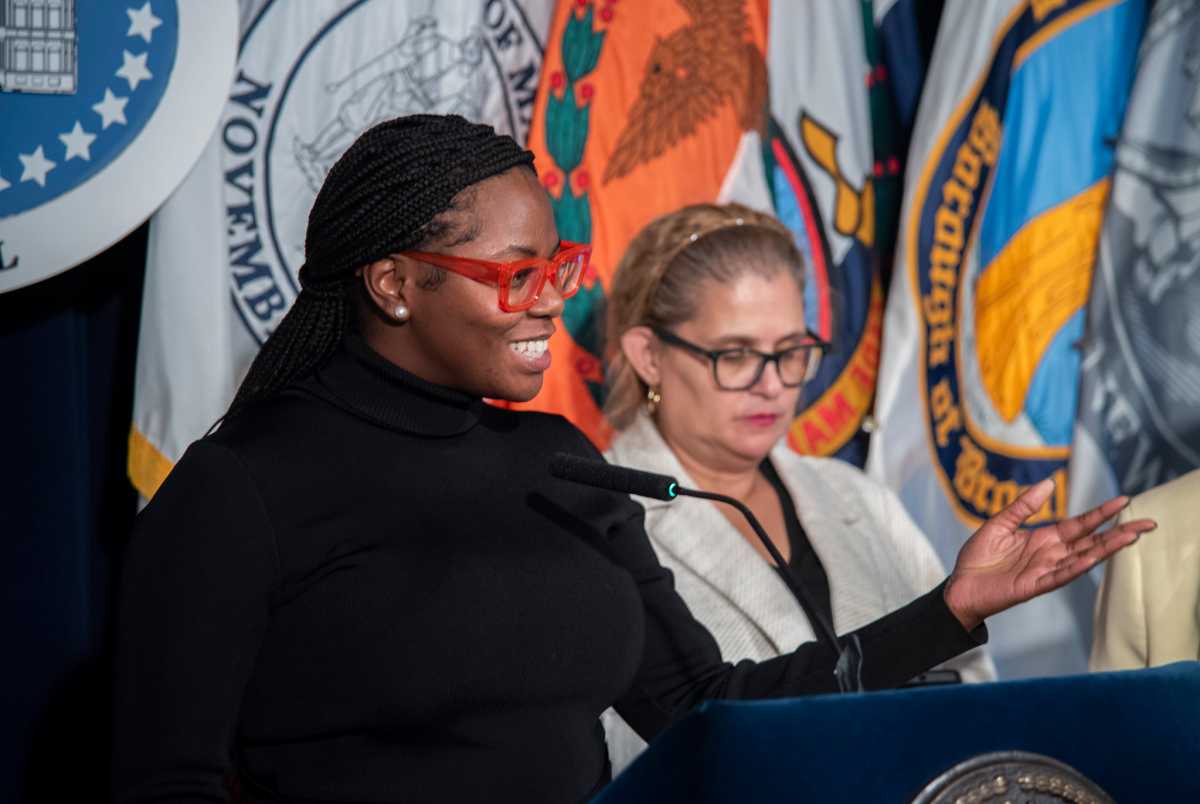
City Council Passes Landmark Bills to Protect Civil Servants
On December 18, 2025, the New York City Council approved two pivotal bills aimed at safeguarding civil service employees from the growing influence of artificial intelligence (AI) and potential workplace discrimination. The legislation, introduced in 2024 by Queens Council Member Nantasha Williams, now awaits the mayor’s signature to become law.
The two bills—Int. 1066 and Int. 0472—represent a proactive response to the challenges technology and systemic inequities pose to New York City’s public workforce.
Int. 1066: Addressing AI’s Impact on City Workplaces
Int. 1066 proposes the creation of an interagency task force to monitor and evaluate how AI and algorithm-driven tools are being implemented across various city departments. According to the bill’s language, the task force will meet semiannually and provide a platform for civil service employees to report their experiences and concerns regarding these technologies.
Williams emphasized that the use of AI in municipal settings often happens behind the scenes, influencing workflow patterns, job responsibilities, and decision-making processes in ways that are not always transparent. “AI is reshaping how we work, and we need to ensure that our employees understand and have a say in those changes,” Williams stated.
The proposed task force would serve as a safeguard to ensure that technological innovation does not come at the expense of fairness, equity, or job security within the public sector.
Int. 0472: Promoting Equal Opportunity on Community Boards
The second bill, Int. 0472, mandates that borough presidents provide equal employment opportunity (EEO) training to all community board members. This training includes key components on anti-harassment and anti-discrimination practices, reinforcing a culture of respect and inclusion in civic spaces.
According to a release from Williams’ office, the measure seeks to ensure that community boards—often the first point of contact between residents and government—operate in a manner that’s both effective and respectful.
“Civic engagement begins at the community level,” said Williams. “By equipping board members with the knowledge and tools to uphold inclusive standards, we’re strengthening the foundation of our local democracy.”
Ensuring Government Accountability and Responsiveness
Williams underlined the holistic goal of the legislation: to build institutions that respond to technological progress and social change without leaving workers behind. “As our city evolves, we have a responsibility to be thoughtful about how our institutions operate and how people experience them,” she said.
She added that both bills are rooted in the belief that government functions best when its employees are informed, supported, and treated with dignity. Clear expectations and responsive systems, Williams argued, enhance safety, transparency, and engagement across city services.
“These bills are about creating a government that listens to its workers and adapts with them—not against them,” Williams concluded. She noted that respectful interactions, fairness, and inclusive participation are essential to building public trust and delivering effective services.
Broad Support and Future Implementation
Williams expressed optimism about the future of the legislation, stating her commitment to working with city agencies, labor unions, and community stakeholders to implement the bills effectively. She views the legislation as a step toward a more resilient and equitable public sector, one that evolves in tandem with the city’s changing needs.
“Whether it’s through safeguarding against AI’s unintended consequences or promoting inclusive civic engagement, these bills are part of a broader vision for a government that serves all New Yorkers,” she said.
The passage of Int. 1066 and Int. 0472 marks a significant move by the City Council to address the intersection of technology, labor rights, and civil engagement in an increasingly digital world. If signed into law by the mayor, the measures could serve as a model for other municipalities grappling with similar challenges.
This article is inspired by content from Original Source. It has been rephrased for originality. Images are credited to the original source.