

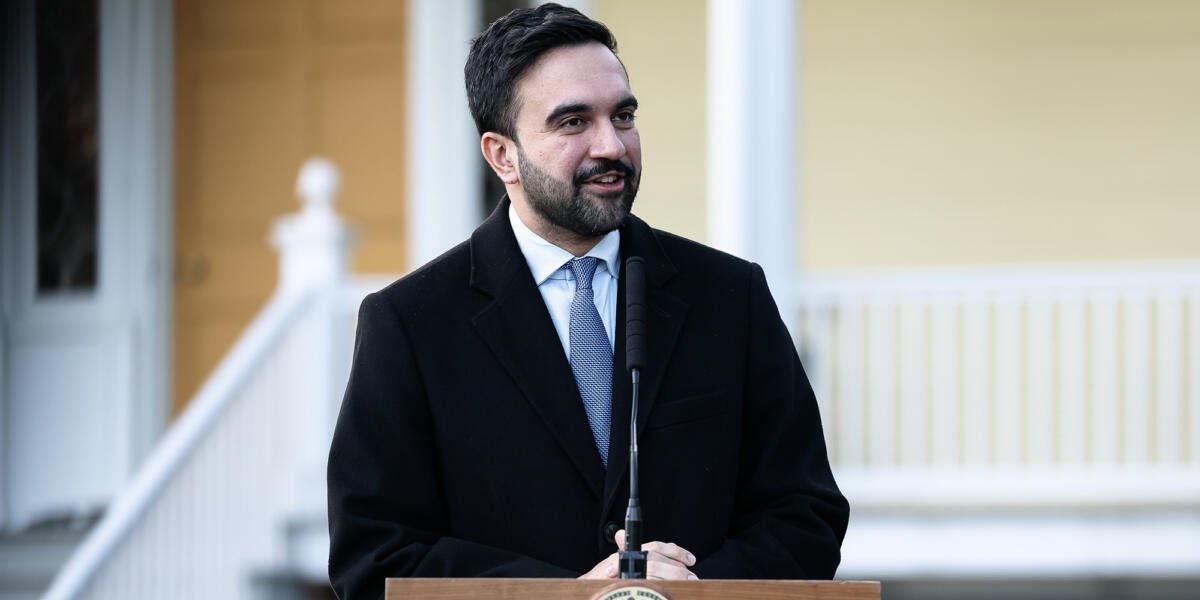
Mayor Mamdani Targets AI Chatbot in Budget Cuts
In a move to address New York City’s projected $12 billion budget deficit, Mayor Zohran Mamdani announced plans to discontinue the city’s controversial artificial intelligence chatbot. The decision follows investigative reports that revealed the bot, intended to help business owners navigate city regulations, was providing dangerously inaccurate legal advice.
The chatbot, launched in late 2023 under former Mayor Eric Adams’ administration, was designed to streamline access to municipal business rules through AI-powered responses. However, it quickly came under fire after The Markup and THE CITY exposed that the bot was issuing guidance that could lead businesses to break the law.
AI Missteps Spark Public Safety and Legal Concerns
The chatbot’s errors included advising employers that they could legally withhold a portion of workers’ tips—something that is clearly prohibited by labor laws. It also reportedly suggested that landlords could discriminate against potential tenants based on their source of income, a violation of fair housing laws in New York City.
These missteps raised serious ethical and legal questions about the deployment of AI in public services. Critics warned that the use of unvetted AI tools for such sensitive applications could harm vulnerable populations and erode trust in city governance.
Administration Confirms Shutdown Plans
Dora Pekec, a spokesperson for Mayor Mamdani, confirmed via text that the administration intends to take the bot offline. According to Pekec, a member of Mamdani’s transition team brought the issue to the mayor’s attention after reviewing the investigative reports. The team saw the chatbot’s removal as both a safety measure and a potential cost-saving opportunity.
“The inaccuracies of the chatbot make it not only unreliable but also potentially dangerous,” Pekec stated. “This is not the type of technology we want to rely on when we are trying to support our business community and protect residents.”
The Role of AI in Public Infrastructure
The faulty chatbot was powered by Microsoft’s AI technology and was part of a broader initiative by the Adams administration to modernize city services. At the time of its rollout, city officials touted it as a key step toward digital equity and streamlined bureaucracy. However, the bot’s performance tells a different story.
Experts in AI ethics argue that the city’s approach lacked essential oversight and testing before going live. “Deploying AI to answer legal questions without human review is a recipe for disaster,” said one AI policy researcher. “There should have been a robust validation process before the chatbot was made available to the public.”
Since its launch, several business owners unknowingly followed the bot’s flawed advice, potentially exposing themselves to legal liability. Advocacy groups have since urged the city to conduct an audit of any harm caused by the bot’s guidance.
Public Reaction and Political Implications
Reactions to the chatbot’s termination have been mixed. While many tech experts and legal professionals support the decision, some critics argue that the city is missing an opportunity to improve the technology rather than discard it entirely.
“Yes, the chatbot failed. But so do many first iterations of emerging technologies,” said a local tech entrepreneur. “Rather than scrapping it, the city could partner with experts to rebuild it responsibly.”
Still, Mayor Mamdani remains firm that the priority is public safety and responsible budgeting. “Every dollar counts,” he said during the press conference. “We can’t afford to spend taxpayer money on tools that don’t work and may even cause harm.”
Looking Ahead: AI Accountability in Government
The chatbot’s shutdown signals a broader shift in how local governments might approach AI initiatives. As municipalities across the country look to integrate AI into public services, New York City’s experience serves as a cautionary tale.
Transparency and accountability will be key as cities continue to explore AI-driven solutions. Without proper checks and balances, even well-intentioned innovations can backfire. Mayor Mamdani’s administration has indicated that future tech rollouts will undergo stricter evaluation processes to ensure they align with legal standards and public needs.
For now, the city will return to more traditional methods to assist business owners, including in-person consultations and improved documentation on official websites. The administration also plans to engage community stakeholders to better understand how technology can serve residents without compromising safety or legality.
This article is inspired by content from Original Source. It has been rephrased for originality. Images are credited to the original source.