

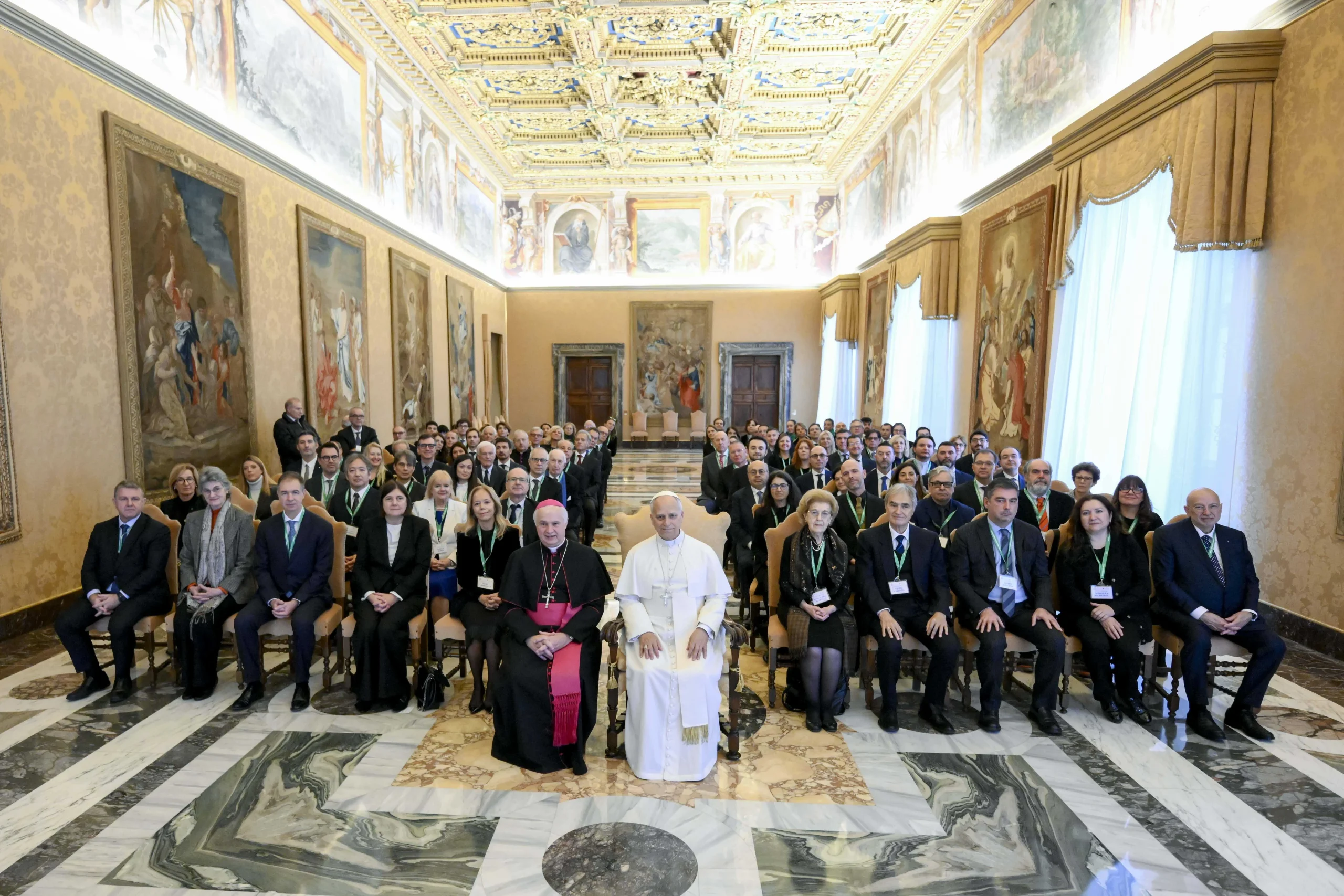
Pope Leo XIV Addresses the Ethical Use of AI
On December 5 at the Vatican, Pope Leo XIV offered a compelling reflection on the growing influence of artificial intelligence (AI) in modern society. Speaking before a distinguished audience, the pontiff emphasized the urgent need to ensure that AI technologies serve the common good rather than becoming tools for the benefit of only the powerful or privileged.
Technological Advancement with Moral Responsibility
Pope Leo acknowledged the immense potential AI holds in transforming sectors such as healthcare, education, and economic management. However, he cautioned against a future where these innovations deepen social inequalities or strip individuals of their agency. He stressed that technological advancement must be coupled with moral responsibility, echoing the Church’s long-standing principle that innovation should never come at the cost of human dignity.
“We are called to ask ourselves not only what machines can do,” the pope stated, “but also what they should do.” This reflection forms the heart of his message, urging developers, policymakers, and society at large to consider the ethical implications of their technological choices.
Inclusive Dialogue and Multilateral Cooperation
The pope called for a global dialogue that includes voices from all walks of life—scientists, ethicists, religious leaders, and ordinary citizens. “Only through inclusive and multilateral cooperation can we guide AI development in a humane direction,” he said. He warned that decisions made in isolation or driven solely by economic incentives could lead to a dangerous imbalance of power.
Pope Leo also highlighted the importance of international regulations and frameworks to ensure AI develops with respect for human rights. He proposed a unified ethical code for AI that transcends national and corporate interests, rooted in the principles of justice, solidarity, and the common good.
The Role of the Church in a Digital Age
In his address, Pope Leo XIV reaffirmed the Catholic Church’s ongoing commitment to engaging with modern technological issues. “Faith and reason are not enemies,” he remarked, “but partners in the pursuit of truth and human flourishing.”
The pontiff encouraged religious institutions to play an active role in shaping the ethical discourse around AI. He proposed educational initiatives and forums where faith communities can collaborate with tech experts, fostering mutual understanding and shared values.
Potential Risks and the Need for Vigilance
While AI offers promising solutions to many global challenges, Pope Leo expressed concern over its potential misuse. From mass surveillance to algorithmic discrimination, he outlined several risks that could arise if AI systems are designed or implemented without ethical oversight.
“We must be vigilant,” he warned, “against a future where decisions affecting millions are made by opaque algorithms, insulated from human empathy and justice.” He urged developers to prioritize transparency, accountability, and inclusiveness in AI design.
Hope for a Just and Compassionate Future
Despite the challenges, Pope Leo XIV’s message was ultimately one of hope. He believes that, when guided by ethical principles and a shared commitment to the common good, AI can become a powerful force for peace, justice, and human advancement.
“Let us not fear the future,” he concluded. “Instead, let us shape it together—wisely, justly, and compassionately.” His words resonated with listeners, offering both caution and inspiration as society navigates the complexities of the digital era.
This article is inspired by content from Original Source. It has been rephrased for originality. Images are credited to the original source.