

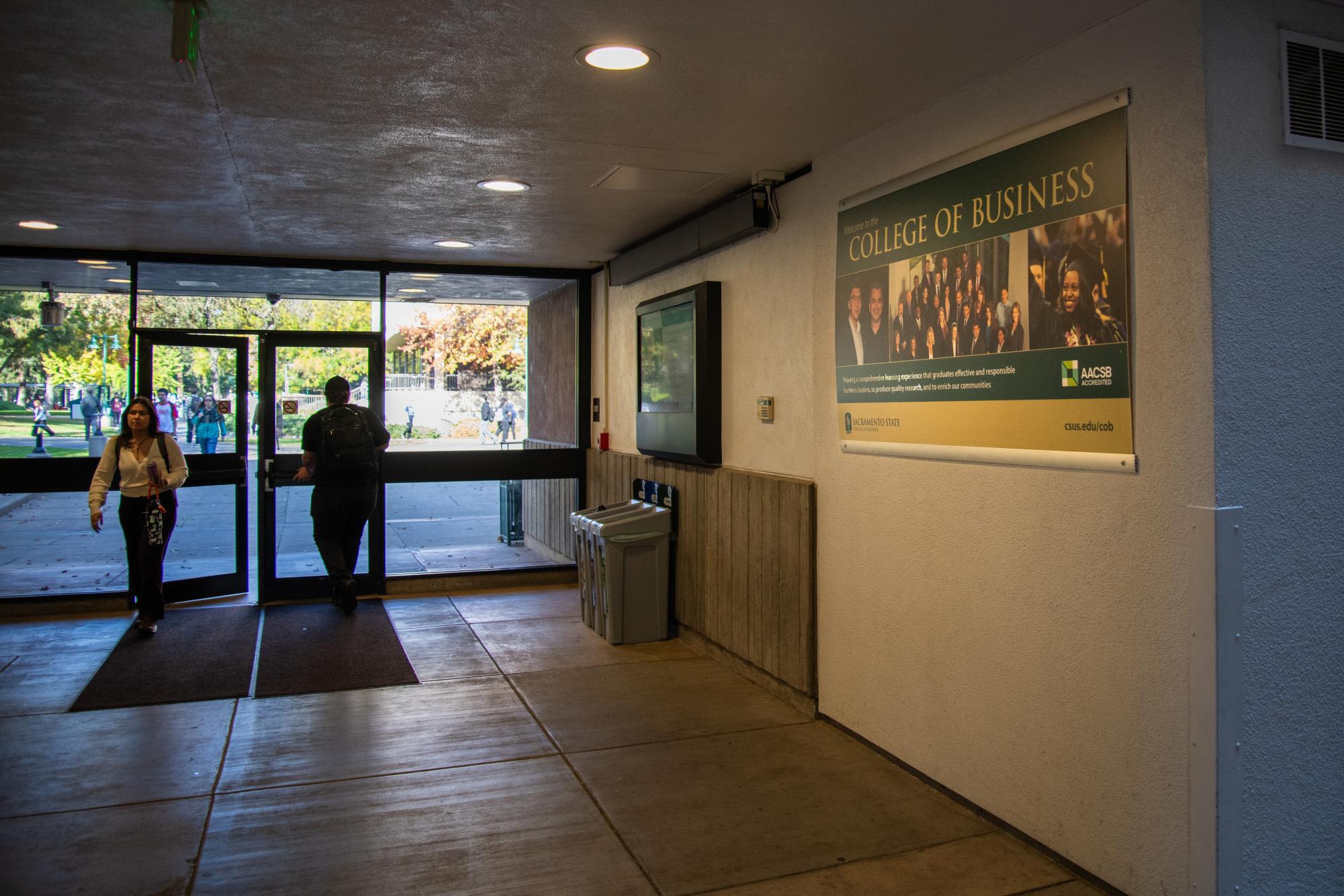
Sacramento State Introduces AI Concentration in Business
Sacramento State University’s College of Business is launching a new Artificial Intelligence concentration for business majors, set to begin in Spring 2026. This innovative program is among the first of its kind in the California State University system and aims to equip students with practical, workforce-ready skills in AI implementation and management.
Designed to meet the growing demand for AI proficiency in professional settings, the concentration will cover a range of topics from responsible AI use to AI infrastructure and strategy. The initiative reflects a broader shift toward integrating AI tools into business workflows, preparing students for the evolving landscape of modern industries.
Program Highlights and Objectives
Dr. Joseph Taylor, Chair of the Management, Information Systems and Business Analytics Department, emphasized that the concentration will provide students with hands-on experience using AI tools in real-world business scenarios.
“From vibe coding to change management, our students will be prepared to implement tangible solutions through AI tools,” Taylor said. “The program is rooted in professional insights and collaboration with regional tech leaders.”
The concentration will be part of the Bachelor of Science in Business Administration and will include foundational and elective courses. Notably, two pilot courses—Responsible Use of AI and Cloud and AI Infrastructure—are already underway with over 50 enrolled students.
Expanding AI Education and Training
In addition to the undergraduate concentration, Sacramento State plans to offer AI management training for working professionals, further extending its commitment to AI literacy and application in the workforce.
Faculty member Dr. Sadaf Ashtari shared that the goal is to enable students to become proficient in using AI tools that are becoming standard across industries. “We want our students to graduate with hands-on experience using AI tools that are becoming standard in nearly every industry,” Ashtari said.
She noted that while integrating new technologies into university curricula can be challenging, the university is pushing forward with the development of AI-specific courses such as Introduction to Python Programming, AI Architecture and Strategy, and No-Code Development Using AI Agents.
AI in the Broader Workforce and Legislation
According to a Brookings Institution report, jobs requiring AI-related skills have surged since 2010. AI is expected to automate significant portions of tasks across various professions, including legal, administrative, and financial operations.
Recent legislative efforts by California Governor Gavin Newsom, such as Senate Bills 53 and 942, aim to regulate and increase transparency in AI development and usage. These laws will require companies to disclose AI-generated content and provide tools for content verification.
“This program isn’t about building large language models like ChatGPT,” Taylor said. “It’s about customizing and implementing AI tools to solve real-world business challenges.”
Student Perspectives on AI Integration
Students have responded enthusiastically to the new program. Natalie Gonzalez, a senior business administration major, said she sees the value in learning how to use AI as a tool rather than resisting technological change.
“AI is rapidly developing. It’s becoming a part of everyday life,” Gonzalez said. “There’s no point in fighting it. We should learn to use it responsibly — both students and professors.”
She shared how AI tools have already helped her improve academic performance by analyzing assignments against rubrics and identifying overlooked errors. “These skills will translate directly to the workplace,” she added.
Kevin Bali, another senior majoring in business administration and analytics, said he looks forward to understanding how AI can be ethically and effectively applied in business and law enforcement.
“I’m excited to learn how AI can enhance decision-making and automate processes,” Bali said. “It aligns with my passion for digital forensics and using technology to create meaningful change.”
Looking Ahead: AI as a Strategic Tool
Ashtari emphasized the importance of teaching students not just how AI works, but when and why to use it responsibly. “We want to cultivate a mindset where students can identify repetitive or frustrating tasks and use AI to automate them,” she said. “That’s where AI really shines — enhancing productivity and innovation.”
She added that effective AI education depends on two critical factors: timely technology adoption and faculty training. Once in place, these components will allow students to lead in AI-integrated industries.
With AI tools increasingly being used at the city and county level in Sacramento, the university’s initiative is well-timed. The new concentration not only prepares students for the future of work but also positions Sacramento State as a leader in AI education within the CSU system.
This article is inspired by content from Original Source. It has been rephrased for originality. Images are credited to the original source.