

States Take Initiative on AI Regulation
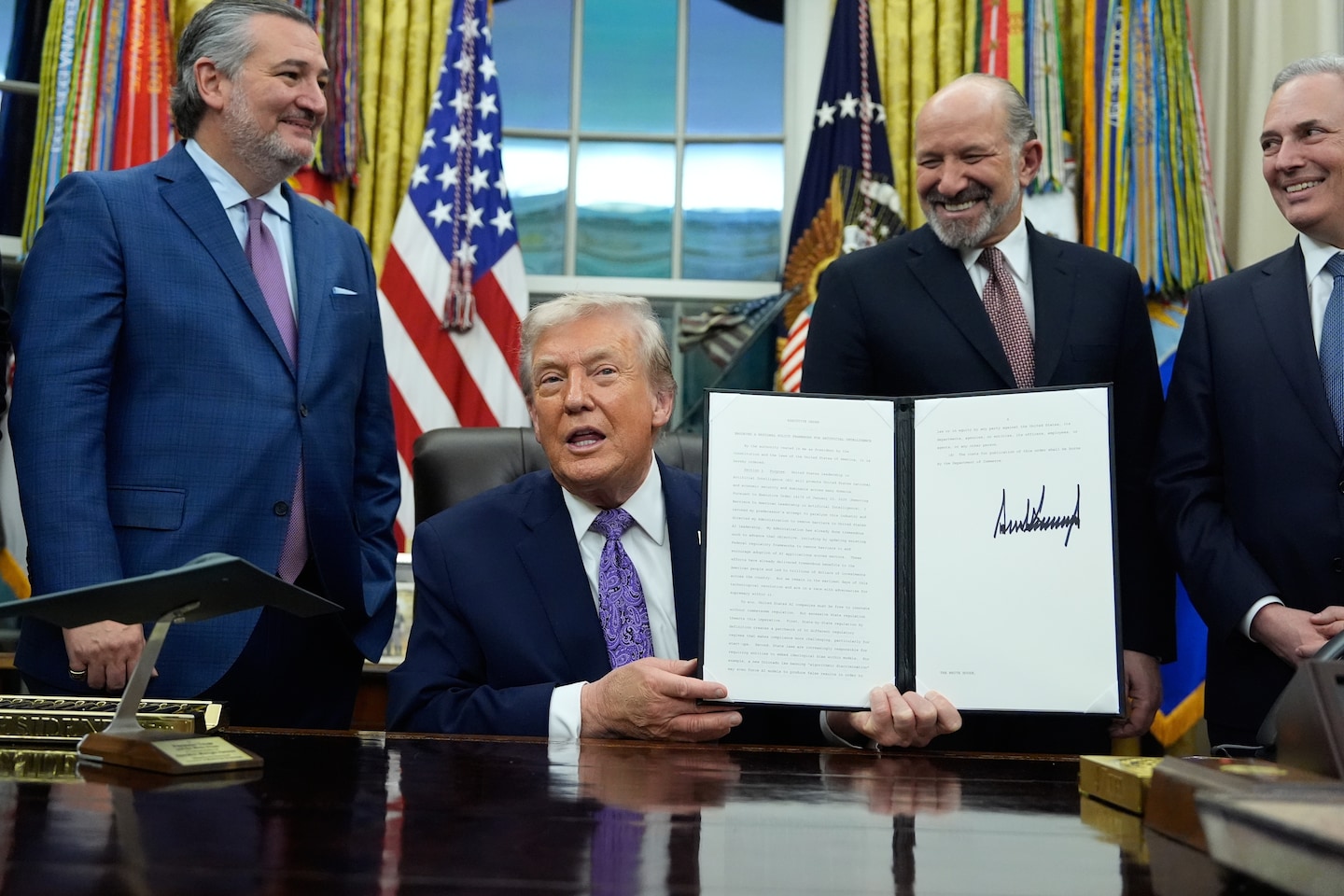
AI regulation is increasingly becoming a priority for state governments across the United States. Despite former President Donald Trump’s clear warnings six months ago against state-level regulation of artificial intelligence, several states are moving forward with their own legislative efforts. This proactive approach comes as Congress continues to lag behind in establishing comprehensive federal guidelines for AI.
Why States Are Acting on AI Regulation
With rapid advancements in artificial intelligence, concerns have mounted about the technology’s impact on daily life, employment, and the safety of vulnerable populations such as children. States are stepping in to fill the regulatory void, focusing on issues like how chatbots interact with minors, the use of AI systems by employers, and the responsibilities of developers to prevent harmful outcomes.
For many state lawmakers, waiting for federal action is no longer an option. The pace of AI innovation and the increasing integration of AI systems into everyday processes have prompted states to consider measures that address both opportunities and risks associated with the technology. AI regulation at the state level is now seen as a necessary response to the unique needs and concerns of local communities.
Key Areas of State-Level AI Regulation
One major area of focus for state governments is the use of chatbots and AI-driven platforms that interact with children. Lawmakers are concerned about the potential for these systems to influence, manipulate, or expose minors to inappropriate content. As a result, proposed regulations often include requirements for clear disclosures, parental controls, and mechanisms to report harmful interactions.
Another significant issue is the application of AI in the workplace. States are examining how employers use artificial intelligence for hiring, performance evaluation, and workforce management. New regulations may require transparency in how AI-driven decisions are made, as well as safeguards to protect employees from bias or unfair treatment by automated systems.
States are also considering the responsibilities of AI developers. Proposed legislation could mandate risk assessments and preventative measures to minimize the likelihood of AI-caused disasters, such as autonomous vehicle accidents or critical infrastructure failures. These requirements aim to ensure that those creating and deploying AI technologies are held accountable for their products’ safety and ethical impact.
Federal Inaction Spurs Local Solutions
The lack of federal progress on AI regulation has created a patchwork of state laws, each addressing different aspects of artificial intelligence. While this can lead to inconsistencies, state officials believe that tailored, local approaches are preferable to indefinite inaction. Some states have formed task forces or commissions to study the issue in depth, bringing together policymakers, industry leaders, and academic experts to craft balanced regulations.
Yet, this decentralized approach is not without challenges. Businesses operating across state lines must navigate varying requirements, which can increase compliance costs and complicate operations. Advocates for uniform federal standards argue that a cohesive national strategy is needed to avoid confusion and maintain competitiveness in the global AI landscape.
The Future of AI Regulation in the United States
With states forging ahead, experts anticipate that local AI laws will continue to proliferate unless Congress can agree on a federal framework. Until then, state-level AI regulation will likely remain the primary means of addressing the technology’s risks and benefits. This trend may also spur innovation in regulatory approaches, as states learn from each other’s experiences and adapt best practices.
Ultimately, the rise of state-driven regulations reflects the urgent need to balance innovation with public safety and ethical considerations. As artificial intelligence becomes an even more integral part of society, lawmakers at every level will be challenged to keep up with its rapid evolution.
This article is inspired by content from Original Source. It has been rephrased for originality. Images are credited to the original source.