

The Rise of Artificial Intelligence in Immigration Enforcement
Artificial Intelligence (AI) is rapidly changing many aspects of public policy, and immigration is no exception. In recent years, the use of AI-powered surveillance and data analytics has become increasingly prevalent in immigration enforcement, raising serious concerns about privacy, civil liberties, and human rights.
The Trump administration was particularly aggressive in deploying AI tools for immigration control. These systems were used to track, predict, and manage the movements of migrants and asylum seekers. Critics argue this has created a dystopian surveillance regime that disproportionately targets vulnerable communities.
AI and Predictive Surveillance
One of the most controversial uses of AI in immigration is predictive surveillance. By analyzing large datasets, AI can flag individuals deemed “high risk” by algorithms. These decisions are often opaque, lacking transparency and accountability. The algorithms are trained on historical data, which may be biased or incomplete, leading to discriminatory outcomes.
For example, individuals from certain countries or ethnic backgrounds might be unfairly targeted due to systemic biases embedded in the data. This results in a cycle where marginalized groups are over-policed and over-surveilled, reinforcing existing inequalities.
Automated Decision-Making in Visa and Asylum Applications
AI is also being used to automate decisions in visa and asylum applications. While this can potentially speed up processing times, it introduces significant risks. The complexity of individual cases is often lost in AI assessments, which rely on rigid criteria. As a result, applicants may be denied entry or protection without a clear understanding of why.
Legal experts warn that such systems lack the nuance required for fair and just immigration decisions. Without human oversight, these tools can perpetuate systemic discrimination and result in life-altering consequences for those seeking refuge or a better life.
Surveillance Infrastructure and Data Collection
The infrastructure supporting AI in immigration includes an expanding network of surveillance technologies. Facial recognition, biometric databases, and location tracking are increasingly used to monitor migrants. These tools are often integrated into border security systems, detention centers, and even local law enforcement agencies.
While advocates of AI-driven immigration enforcement argue that these tools enhance national security, privacy advocates caution that such surveillance violates fundamental rights. The lack of clear regulations and oversight mechanisms exacerbates these concerns.
Global Implications and Ethical Concerns
The use of AI in immigration is not confined to the United States. Around the world, governments are adopting similar technologies, often with little public debate or scrutiny. From Europe to Asia, AI is reshaping how borders are enforced and migration is managed.
This global trend raises ethical questions about the role of technology in human mobility. Should machines have the power to make life-or-death decisions? How can we ensure that AI systems are used responsibly and equitably? These are urgent questions that policymakers and technologists must address.
Resistance and Advocacy
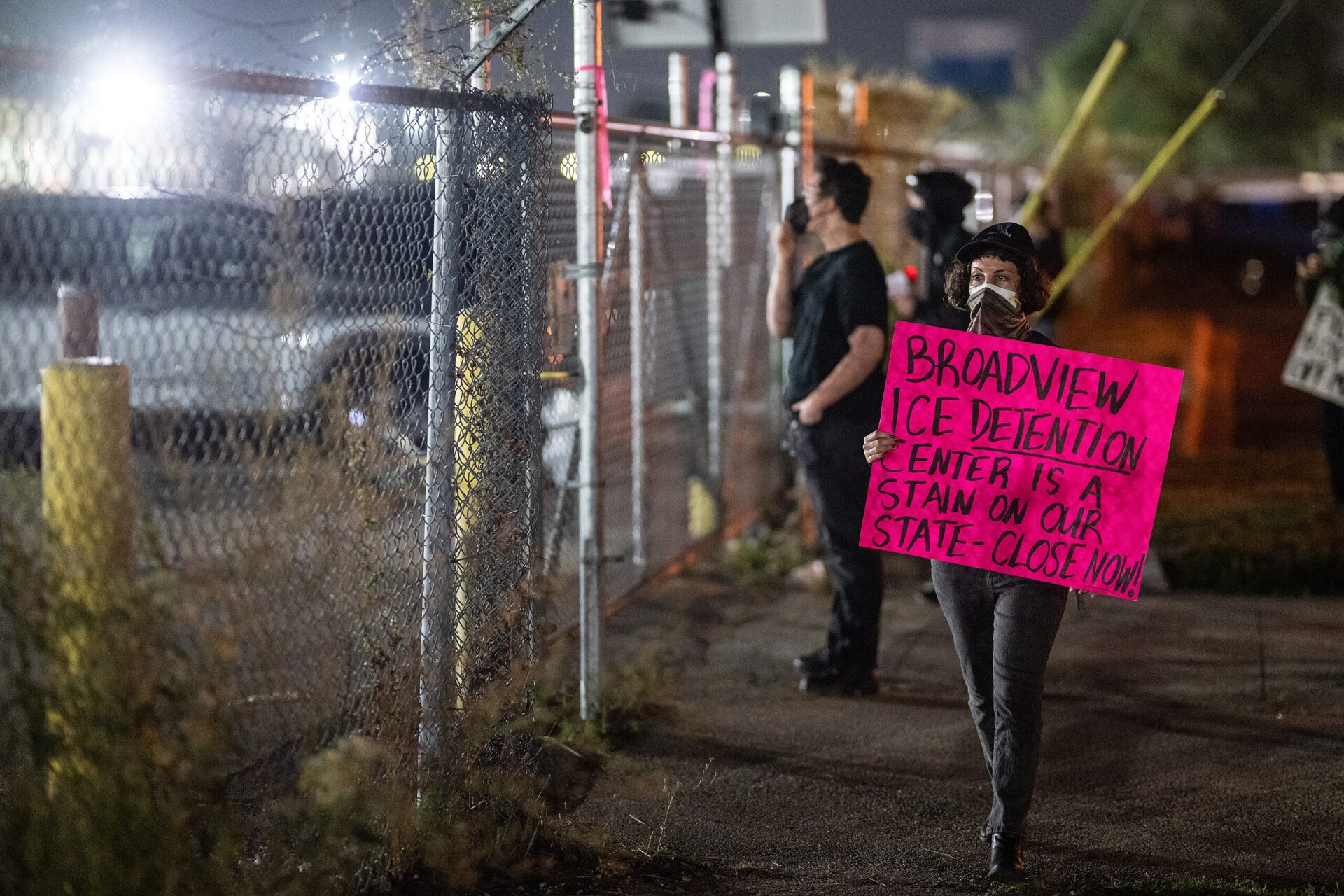
In response to these developments, a growing movement of activists, technologists, and civil rights organizations is pushing back against the unchecked use of AI in immigration. They advocate for greater transparency, accountability, and the inclusion of affected communities in the design and implementation of these systems.
Protests, legal challenges, and public awareness campaigns are part of a broader effort to ensure that technology serves humanity rather than undermining it. These voices are crucial in shaping a future where AI is used ethically and justly.
Moving Toward Responsible Innovation
As AI continues to evolve, it is essential to establish frameworks that prioritize human rights and social justice. This includes developing ethical guidelines, conducting impact assessments, and implementing robust oversight mechanisms. Governments must work in collaboration with civil society, technologists, and international bodies to create policies that balance security with liberty.
Ultimately, the goal should be to harness the potential of AI to improve lives without compromising fundamental freedoms. In the realm of immigration, this means designing systems that are fair, transparent, and accountable to the people they affect.
This article is inspired by content from Original Source. It has been rephrased for originality. Images are credited to the original source.