

Staff Raise Alarm Over Turing Institute’s Future
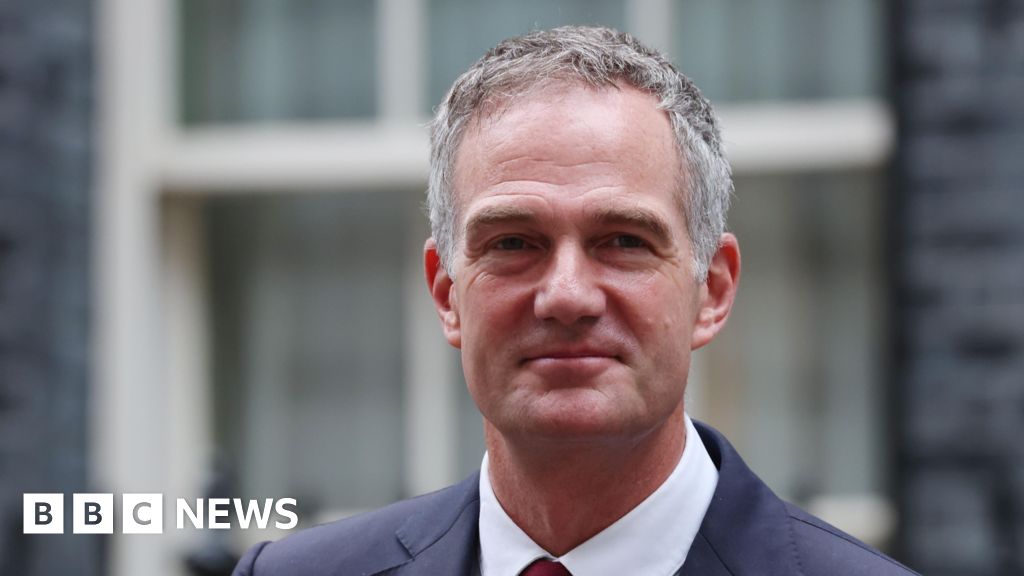
Employees at the UK’s Alan Turing Institute, the national center for artificial intelligence (AI), have expressed serious concerns about the organization’s future. In a whistleblowing complaint submitted to the Charity Commission, staff warned that the institute is on the brink of collapse following threats from Technology Secretary Peter Kyle to withdraw public funding.
The complaint, obtained by the BBC, accuses the institute’s leadership of mishandling public money, fostering a toxic internal culture, and failing to fulfill its mission. These revelations come after the government granted the institute £100 million last year, aiming to bolster the UK’s AI capabilities.
Government Demands Strategic Shift
A spokesperson for the Department for Science, Innovation & Technology (DSIT) confirmed that the institute is undergoing a consultation process to realign its focus under the new “Turing 2.0” strategy. Technology Secretary Kyle has pressured the institute to prioritize defense and national security research, warning that failure to do so could result in the loss of funding.
“The changes outlined in his letter would empower the institute to play a central role in safeguarding national security while delivering value for taxpayers,” said the DSIT spokesperson. Kyle also called for a leadership overhaul, signaling dissatisfaction with the current management structure.
Whistleblower Complaint Details
The internal complaint, sent anonymously by staff citing fear of retaliation, outlines eight key concerns. It criticizes the institute for poor governance, lack of transparency, and questionable spending decisions. According to the complaint, these issues have led to instability and eroded confidence among both public and private funders.
Specifically, the complaint accuses the board of creating a culture defined by fear and defensiveness. It alleges that the leadership team, including chairman Doug Gurr, has failed to take meaningful action despite repeated internal warnings.
Charity Commission Launches Assessment
The Charity Commission confirmed it is currently assessing the complaint to determine whether regulatory action is required. “We are in the early stages of our assessment,” a spokesperson said. “No decision has yet been made on whether to launch a formal investigation.”
The Alan Turing Institute responded by stating it is undergoing significant organizational changes to realign with its mission. “We are focused on delivering real-world impact across society’s most pressing challenges, particularly in defense, national security, and sovereign capabilities,” a spokesperson said.
Leadership in Question
The institute has been facing internal turmoil for several months, marked by job cuts and the cancellation of research projects. In December 2023, 93 staff members signed a letter expressing a lack of confidence in the leadership team.
Key figures have also exited the organization. Professors Helen Margetts and Cosmina Dorobantu, who co-directed a successful public sector AI program, resigned in July. Former Chief Technology Officer Jonathan Starck departed just eight months into his role.
Calls for Modernization
Chief Executive Jean Innes, who took the helm in July 2023, has acknowledged the need for modernization. In an interview with the Financial Times in March, she emphasized the importance of refocusing the institute’s efforts on impactful AI projects.
Historically, the institute has concentrated on research in environmental sustainability, health, and national security. Recent initiatives have included the use of AI in weather forecasting and educational tools for children. However, critics argue that the institute’s direction has become unclear and disconnected from strategic national priorities.
AI’s Role in the UK’s Future
The government has identified AI as a cornerstone of its economic growth strategy. Investments in supercomputers, data centers, and partnerships with major tech firms are part of a broader effort to make the UK a global leader in AI innovation.
In a letter to the Turing Institute last month, Peter Kyle emphasized that enhancing the UK’s AI capabilities is “critical to national security” and must be central to the institute’s future. He also hinted at a potential review of the institute’s long-term funding in 2025.
As the Alan Turing Institute navigates these turbulent waters, the coming months will be critical in determining whether it can realign its mission, restore internal confidence, and maintain its public funding.
This article is inspired by content from Original Source. It has been rephrased for originality. Images are credited to the original source.