

Introduction: Universal Basic Income and the AI Revolution
The rise of artificial intelligence continues to transform industries and workplaces worldwide. As AI-powered automation leads to significant changes in the labor market, some of the world’s most influential tech leaders, including Elon Musk, are expressing support for universal basic income (UBI) as a potential solution to the economic disruptions caused by AI-fueled layoffs. The debate around UBI is gaining momentum, with both advocates and skeptics weighing in on its practicality and long-term impact.
The Growing Impact of AI-Fueled Layoffs
Artificial intelligence technologies are rapidly advancing, enabling machines to perform tasks that once required human intelligence. This shift is resulting in widespread automation across various sectors, including manufacturing, retail, transportation, and even white-collar professions. As companies adopt AI to improve efficiency and reduce costs, the unfortunate side effect is a wave of AI-fueled layoffs. Workers in repetitive or data-driven roles are increasingly at risk of being replaced by intelligent systems, sparking concerns about job security and the future of work.
Tech Billionaires Advocate for Universal Basic Income
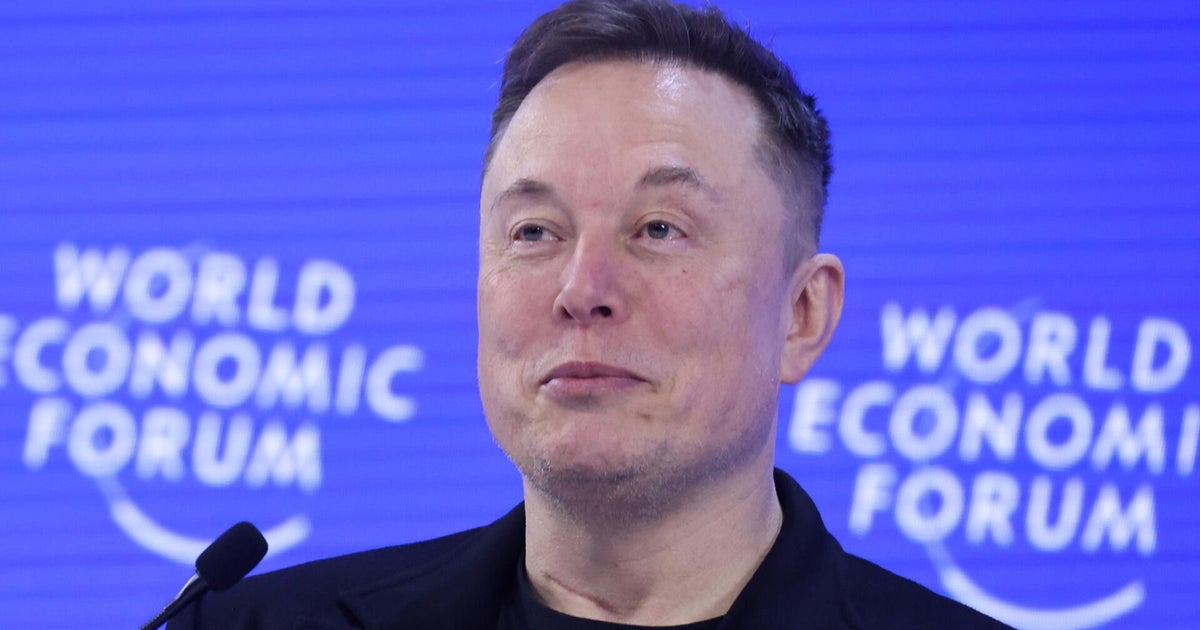
In response to these challenges, prominent tech leaders have begun to publicly endorse universal basic income. Elon Musk, known for his pioneering work with Tesla and SpaceX, has stated that UBI may become a necessity as automation eliminates millions of jobs. Musk argues that providing every citizen with a guaranteed income could help mitigate the negative effects of job loss and ensure a baseline standard of living, regardless of employment status.
Other influential figures in the technology sector share similar views. They contend that as AI becomes more capable, the disparity between those who benefit from automation and those who are displaced will widen. Universal basic income, they believe, could serve as a social safety net, preventing widespread poverty and social unrest.
Political Debate and Lawmaker Skepticism
Despite growing support from the tech community, the idea of universal basic income remains controversial among lawmakers. During discussions on Capitol Hill, some politicians have expressed skepticism about the feasibility and effectiveness of UBI. Critics raise questions about how such a program would be funded, its potential impact on labor participation, and whether it truly addresses the root causes of economic inequality.
Daniella Diaz, a politics reporter for NOTUS, and Nicholas Wu, a congressional reporter for Semafor, have noted that while the concept of UBI is gaining traction in political circles, significant hurdles remain. Traditional concerns about government spending, budget deficits, and the role of welfare programs all come into play as policymakers consider the implications of guaranteeing income for all citizens.
Case Studies and Pilot Programs
Several pilot programs around the world have tested the concept of universal basic income, providing valuable insights into its potential benefits and drawbacks. In Finland, a two-year UBI experiment provided a group of unemployed individuals with a regular, unconditional income. The results showed improvements in well-being and mental health, though broader economic impacts were less clear.
In the United States, cities like Stockton, California, have launched local UBI pilots. Participants reported reduced financial stress and increased ability to pursue education or part-time work. These experiments suggest that universal basic income could enhance quality of life and provide stability, especially as AI-driven automation continues to reshape the job landscape.
The Future of Universal Basic Income in an AI-Driven World
As artificial intelligence continues to evolve, the conversation around universal basic income is expected to intensify. Proponents argue that UBI could help society adapt to technological change, supporting individuals as they retrain for new careers or pursue entrepreneurial endeavors. Critics, however, caution that a one-size-fits-all approach may not address the complex economic challenges that accompany rapid AI adoption.
Ultimately, the debate over universal basic income highlights the urgent need for innovative policy solutions in the face of technological disruption. As AI-fueled layoffs become more common, policymakers, business leaders, and communities must work together to ensure that economic progress benefits everyone—not just a select few.
Conclusion: Navigating the Future of Work
The endorsement of universal basic income by tech billionaires like Elon Musk underscores the profound impact of AI on the workforce. As automation accelerates, the question of how to support displaced workers grows increasingly important. Whether UBI becomes a cornerstone of future economic policy or remains a topic of debate, one thing is certain: the intersection of AI and labor will continue to shape the future of work for years to come.
This article is inspired by content from Original Source. It has been rephrased for originality. Images are credited to the original source.