

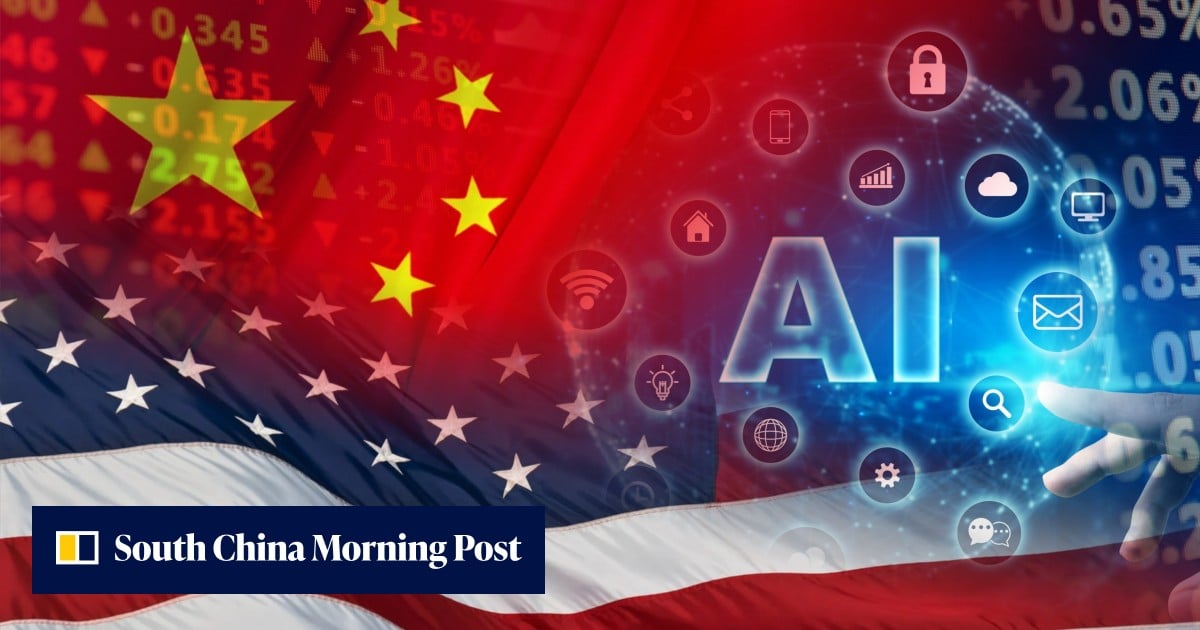
Uncertainty Surrounds Planned US-China AI Talks
As Chinese President Xi Jinping’s visit to the United States draws near, anticipation is building around the much-anticipated discussions on US-China AI talks. However, significant details about these talks remain unsettled, with both governments still negotiating crucial aspects such as the venue, participants, and the precise scope of the proposed dialogue.
According to sources familiar with ongoing preparations, Washington has not yet determined which US agencies will spearhead the US-China AI talks. The uncertainty extends to whether private sector firms and technical experts will be included, or if the discussion will be limited to government officials and diplomats.
Leadership and Participants Still Undecided
The complexity of artificial intelligence policy means the responsibility does not rest with a single agency. While Treasury Secretary Scott Bessent continues to lead broader negotiations on economic relations, the US-China AI talks cut across multiple branches of the US government. These include the White House, intelligence agencies, the Office of Science and Technology Policy, and the Departments of State, Commerce, and Defense.
One insider explained that, for the talks to have real substance, they would need to include not only senior diplomats but also leading technical experts from AI laboratories. This would ensure that the dialogue is grounded in the current realities and future prospects of AI development, rather than just political or economic considerations.
Private Sector Involvement Remains in Question
Another major question is the involvement of private firms. AI leaders in the United States, such as OpenAI, Anthropic, Google DeepMind, and Nvidia, are at the forefront of technological advancement. Similarly, China’s DeepSeek, Alibaba, and Baidu play critical roles in their country’s AI ecosystem. Whether these giants will take part directly in the US-China AI talks, or simply provide input from the sidelines, is still unclear.
The inclusion of private-sector representatives could bring practical insights to the table, especially given the rapid pace at which AI technologies are evolving. However, balancing proprietary interests with national security concerns poses a significant challenge for negotiators on both sides.
Scope and Agenda: Still Up in the Air
While both the US and China acknowledge the global impact of artificial intelligence, they have not agreed on a concrete agenda for the talks. Issues on the table may include AI safety standards, ethical development, data security, and the implications of AI on global competition. However, without an official list of topics or a finalized participant roster, speculation continues about what the US-China AI talks will actually cover.
Some experts advocate for discussions that prioritize transparency, risk management, and the establishment of shared norms to prevent misuse of AI technologies. Others emphasize the need for ongoing collaboration between the two nations to address cross-border challenges such as cybersecurity, deepfake misinformation, and AI-powered surveillance.
Potential Impact on Global AI Policy
The outcome of these talks could shape international norms and regulatory approaches to AI. Both the US and China are global leaders in AI research and application, and their cooperation—or lack thereof—will influence how AI is governed worldwide. Industry leaders and policymakers around the globe are watching closely to see whether the US-China AI talks can deliver progress on these critical issues.
If the discussions can move beyond diplomatic formalities and address substantive topics, they may pave the way for future agreements on AI ethics, security, and competition. Conversely, failure to reach consensus could deepen technological rivalry and create separate regulatory spheres, impacting everything from innovation to global trade.
Looking Ahead: The Stakes Remain High
With Xi Jinping’s US visit just weeks away, the window for finalizing arrangements is closing fast. The unresolved details surrounding the US-China AI talks highlight both the complexity of the issues at stake and the critical importance of dialogue between the world’s two largest economies.
As the date approaches, all eyes will be on Washington and Beijing to see if they can overcome logistical and political hurdles to advance meaningful cooperation on artificial intelligence. The stakes are high, and the world is waiting to see if these talks can deliver a new chapter in US-China technology relations.
This article is inspired by content from Original Source. It has been rephrased for originality. Images are credited to the original source.