

UW–Madison Unveils New College for AI and Computing
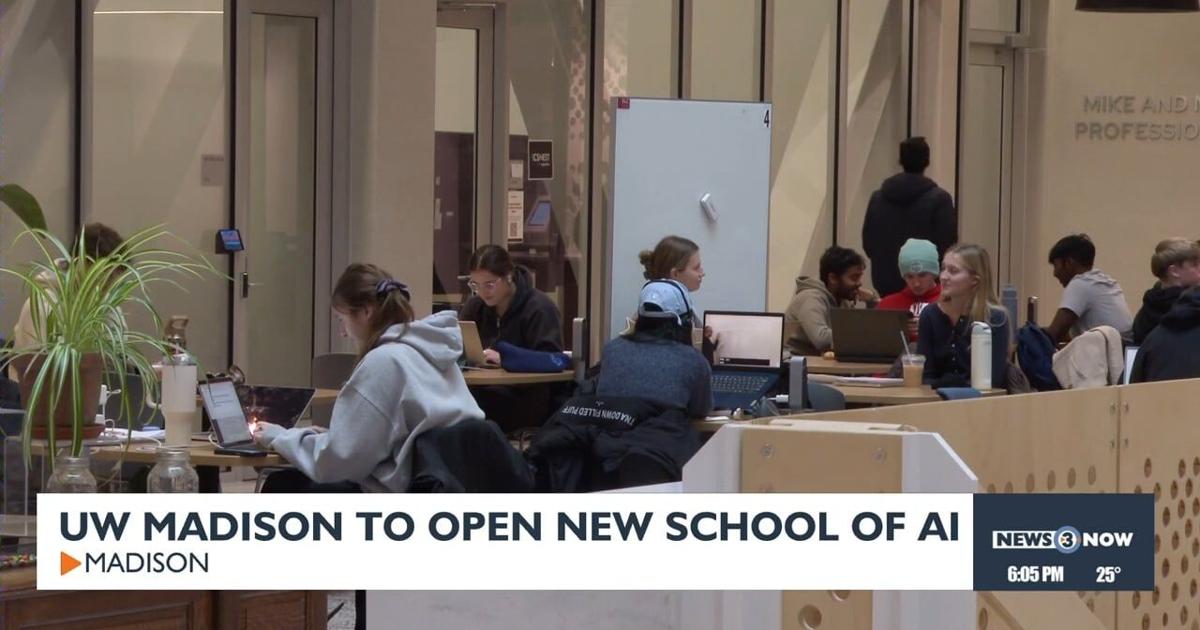
In a landmark decision, the University of Wisconsin–Madison is launching its first new college in over 40 years to address the transformative impact of artificial intelligence (AI) on education and society. The new College of Computing and Artificial Intelligence (CAI) was approved by the university’s Board of Regents on December 4 and will officially open on July 1, 2026.
Evolution from CDIS to CAI
The CAI will evolve from the existing School of Computer, Data and Information Sciences (CDIS), which was established in 2019 under the College of Letters and Sciences. The CDIS has seen rapid growth, with more than 6,000 students currently enrolled in its programs. The transition marks a strategic reorganization to better support the growing demand for AI-related education and research.
Interim Provost John Zumbrunnen emphasized the timely nature of this shift. “We’re living through something of an AI moment,” he stated. “Artificial intelligence seems pervasive throughout our lives.”
Meeting the Needs of a Technological Era
Zumbrunnen noted that while the curriculum will remain the same at launch, it will evolve to reflect ongoing developments in AI and computing. “It’s a logical time for us to build on the expertise we already have—not only in CDIS, but across our entire campus,” he added.
All students currently enrolled in CDIS programs will transition to the new college, which aims to deepen both technical training and critical understanding of AI’s broader implications.
Financial Investment and Infrastructure
According to planning documents, approximately $36 million in general program funding will be reallocated from the College of Letters and Sciences to the new CAI. The projected annual budget for the college is around $85 million.
Morgridge Hall, the current home of CDIS majors, will continue to serve as the primary facility for the new college. University leaders are actively seeking philanthropic support to finance faculty recruitment, research initiatives, and student programming.
“Because CDIS has been in place for a few years, we already have much of the infrastructure and core resources needed for the new college,” Zumbrunnen said.
AI Education for All Disciplines
Zumbrunnen stressed that AI literacy is becoming essential across all fields of study. “Students need to learn not just how to use AI, but also to understand its implications,” he said. “AI is going to be a lasting and pervasive element of every profession and walk of life.”
The university plans to offer interdisciplinary opportunities that allow students from various majors to engage with AI-related coursework and research, ensuring a comprehensive and inclusive educational approach.
Addressing Societal Implications
While digital innovation brings opportunity, it also presents challenges. Zumbrunnen acknowledged concerns related to academic integrity, ethics, environmental impact, and the societal consequences of advanced AI systems.
“Our responsibility as a university is to not only push the boundaries of technological innovation but also to consider the societal, political, and economic implications of those advances,” he said.
He envisions the CAI as a hub for thoughtful dialogue and responsible innovation, where students and faculty can collaborate to shape the future of AI in equitable and sustainable ways.
Looking Ahead to 2026
The official announcement of the College of Computing and Artificial Intelligence is expected in Spring 2026, with operations slated to begin in July of that year. The university community is preparing for this transition with optimism and a shared commitment to innovation.
“This is a significant step forward,” Zumbrunnen said. “It reflects our readiness to adapt, to lead, and to ensure our students are prepared to thrive in a world transformed by AI.”
This article is inspired by content from Original Source. It has been rephrased for originality. Images are credited to the original source.