

Uzbekistan’s Strategic Move in the AI Supply Chain Race
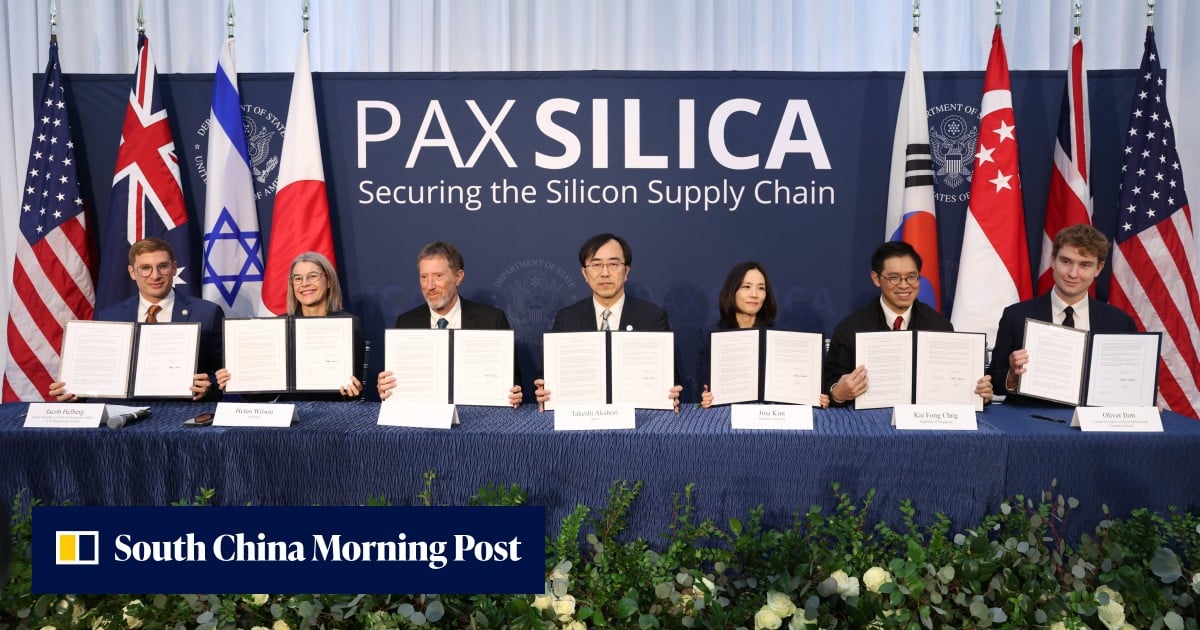
Uzbekistan’s recent bid to join rival technology alliances highlights its nuanced approach to navigating the US-China tech rivalry. As the global contest for artificial intelligence (AI) leadership intensifies, Uzbekistan is positioning itself at the intersection of two major power blocs: Washington’s Pax Silica initiative and Beijing’s World Artificial Intelligence Cooperation Organization (Waico).
Central to this development is Uzbekistan’s formal request to the US State Department to join Pax Silica, a flagship US-led initiative aimed at strengthening AI supply chains among like-minded nations. This move comes just a month after Uzbekistan became a member of China’s Waico, signaling its intent to keep doors open to both strategic partnerships as the world divides into competing AI ecosystems.
Why Uzbekistan Is Seeking Dual Membership in AI Alliances
According to Furqat Sidikov, Uzbekistan’s ambassador to the United States, Tashkent formally notified Washington of its interest in joining Pax Silica via diplomatic note. Speaking in Washington, Sidikov emphasized that Uzbekistan is ready to sign on as soon as the US confirms its acceptance. He argued that “countries should have a chance to be part of any kind of international cooperation,” cautioning that efforts to draw rigid boundaries only create obstacles and hinder productive engagement.
This balancing act is a strategic response to growing international pressure on Central Asian nations to take sides in the accelerating AI supply chain race. As the US and China promote rival standards and partnerships, Uzbekistan’s actions reflect a desire to remain agile, leveraging opportunities from both blocs without alienating either side.
The Implications of Uzbekistan’s AI Supply Chain Strategy
The AI supply chain is emerging as a critical battleground in the global technology landscape. For Uzbekistan, aligning with both Pax Silica and Waico offers a way to access technological expertise, investment, and market opportunities from both the US and China. This dual engagement also allows Uzbekistan to hedge against volatility in international relations, reducing the risks associated with depending on a single power.
Observers note that Tashkent’s approach could serve as a model for other Central Asian nations, many of which face similar dilemmas. As Washington and Beijing compete for influence, countries in the region are seeking flexible arrangements that maximize benefits while maintaining their autonomy.
The Growing Significance of AI Supply Chains
The concept of the AI supply chain extends beyond hardware and chips to encompass research, data sharing, regulatory standards, and skilled workforce development. Both the US and China are working to shape these supply chains in their favor, using alliances like Pax Silica and Waico as platforms to coordinate policy, pool resources, and set standards that could define the future of AI globally.
Uzbekistan’s ambassador underscored the importance of competition in driving progress, stating, “This gives us opportunities, and it’s good competition.” By joining both initiatives, Uzbekistan can take advantage of shared knowledge and resources, helping to accelerate its own digital transformation while contributing to international dialogue on AI governance.
Central Asia’s Role in the Global AI Race
Uzbekistan’s diplomatic maneuvering highlights the growing strategic value of Central Asia in the broader AI supply chain contest. The region’s location, resources, and emerging tech hubs make it an attractive partner for both Washington and Beijing. As the technological and geopolitical stakes rise, Central Asian countries are likely to become increasingly important players in determining the shape of global AI ecosystems.
This emerging dynamic places Uzbekistan and its neighbors in a unique position. Rather than being forced to choose sides, they can act as bridges, fostering cooperation and innovation across divides while safeguarding their own interests. For Uzbekistan, participation in both Pax Silica and Waico is not just about technology—it’s about securing a seat at the table as the rules of the future digital economy are written.
Conclusion: Uzbekistan’s Calculated Bet on AI Supply Chains
Uzbekistan’s pursuit of membership in rival AI alliances demonstrates a pragmatic approach to global tech competition. By engaging with both the US and China, Uzbekistan is betting that an inclusive strategy will yield more benefits than exclusive alignment. As the focus on AI supply chain resilience and standard-setting intensifies, other countries in the region may follow Uzbekistan’s lead, shaping a more multipolar and interconnected technological landscape.
This article is inspired by content from Original Source. It has been rephrased for originality. Images are credited to the original source.