

China Raises Concerns Over Nvidia’s AI Chip Security
China’s Cyberspace Administration has summoned Nvidia to address potential security risks allegedly associated with its H20 artificial intelligence chips. These chips, tailored for the Chinese market, have come under scrutiny following claims by American AI experts that they may contain vulnerabilities, such as remote shutdown capabilities and user location tracking mechanisms.
According to the regulator, Nvidia has been asked to provide a detailed explanation and submit relevant technical documentation to address the alleged “backdoor security risks.” The summoning underscores the intensifying global scrutiny over AI technology and its implications for national security and data sovereignty.
The H20 Chip at the Center of U.S.-China AI Rivalry
Developed specifically for China, the H20 chip represents a significant piece in the broader strategic race between the United States and China to dominate the field of artificial intelligence. While it is not Nvidia’s most advanced chip, it is highly sought after by Chinese tech firms looking to enhance their AI capabilities and compete with American counterparts.
Earlier this month, Nvidia CEO Jensen Huang played a pivotal role in persuading the Trump administration to reverse a previous ban on the sale of the H20 chip to China. This policy reversal marked a major shift in Washington’s long-standing strategy to curb Beijing’s access to cutting-edge American technology, especially in sectors with military and strategic importance.
Huang’s Diplomatic Efforts in Washington and Beijing
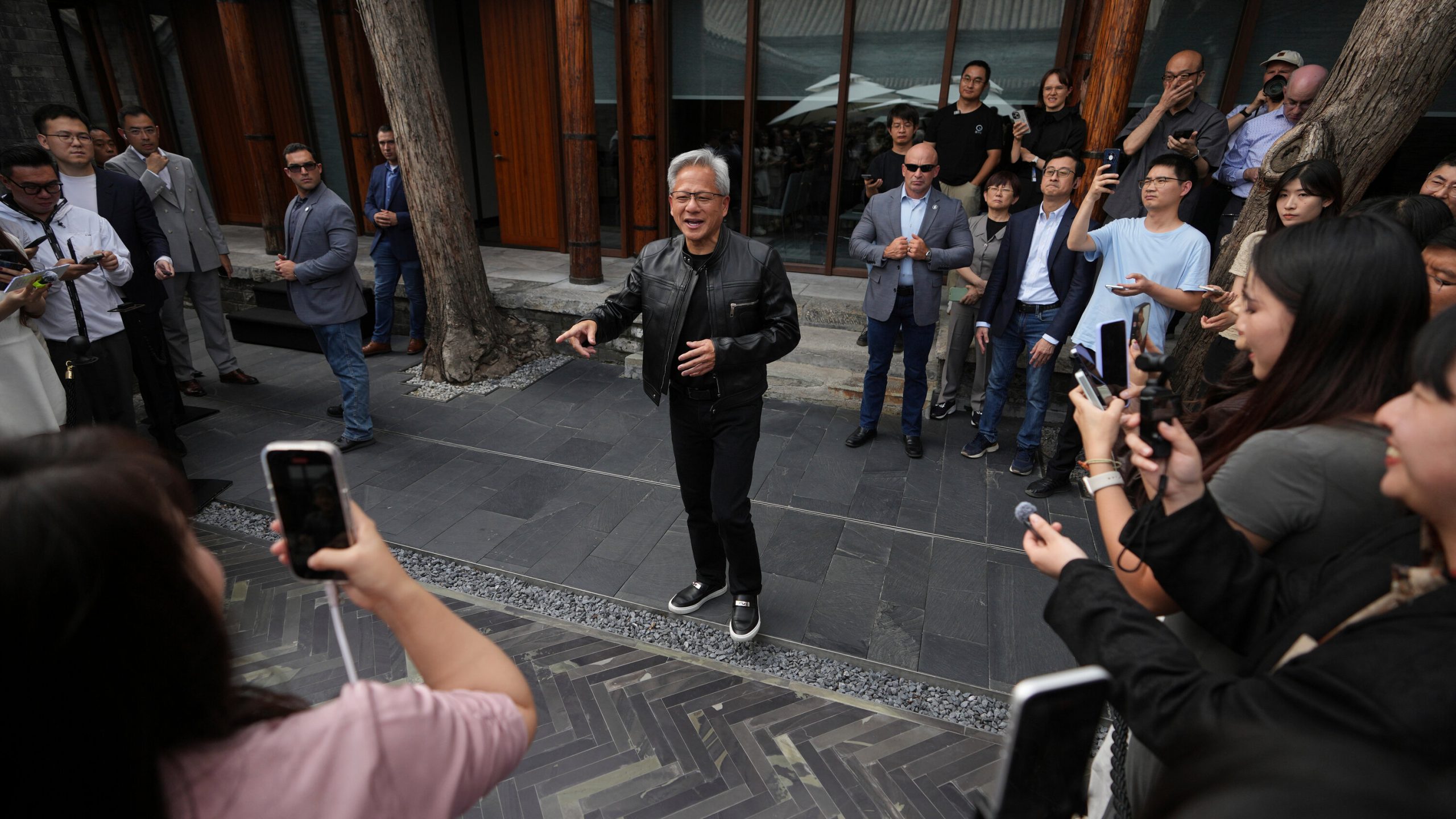
In recent weeks, Huang held meetings with senior officials in both Washington and Beijing. During these discussions, he emphasized the importance of maintaining business ties with China for American technology companies to remain globally competitive. His lobbying effort appears to have contributed significantly to the U.S. government’s decision to allow limited sales of the H20 chip to China.
“American companies can’t afford to lose access to the world’s second-largest economy,” Huang reportedly argued, highlighting the financial stakes involved. Last fiscal year, China contributed approximately $17 billion to Nvidia’s revenue, according to data from Bernstein Research. Huang has also indicated that the company anticipates generating billions more in Chinese sales this year.
National Security Concerns Remain
Despite the policy shift, some former high-level officials from the Biden administration have expressed concern. They warn that allowing Nvidia to sell AI chips in China could inadvertently bolster Chinese firms, potentially granting them a lasting edge in the global AI race. These critics argue that any short-term business gains could be outweighed by long-term national security risks.
“The stakes are too high,” one former official was quoted as saying. “Once Chinese companies gain dominance, it will be difficult—if not impossible—for the U.S. to regain its lead in artificial intelligence.”
Nvidia’s Silence and China’s Strategic Calculations
As of Thursday, Nvidia had not responded to requests for comment regarding the Cyberspace Administration’s summons or the allegations of security flaws. The company’s silence leaves many questions unanswered about the nature of the chips’ design and their potential vulnerabilities.
The Chinese government’s decision to publicly raise concerns about the H20 chip could also be a strategic maneuver. Experts suggest that it may serve as a means to exert pressure on Nvidia and other Western tech firms, compelling them to be more transparent and compliant with Chinese cybersecurity regulations.
Looking Ahead: The Future of U.S.-China Tech Relations
The controversy surrounding the H20 chip is the latest chapter in the ongoing technological tug-of-war between Washington and Beijing. As both nations vie for dominance in artificial intelligence, semiconductors, and other frontier technologies, issues of trust, access, and sovereignty are likely to remain contentious.
Nvidia’s case exemplifies the complex terrain that global tech companies must navigate—balancing lucrative market opportunities in China with the geopolitical risks and regulatory hurdles imposed by both governments. Whether Nvidia’s strategy will pay off or backfire remains to be seen, but the outcome will undoubtedly influence future business decisions across the industry.
This article is inspired by content from Original Source. It has been rephrased for originality. Images are credited to the original source.