

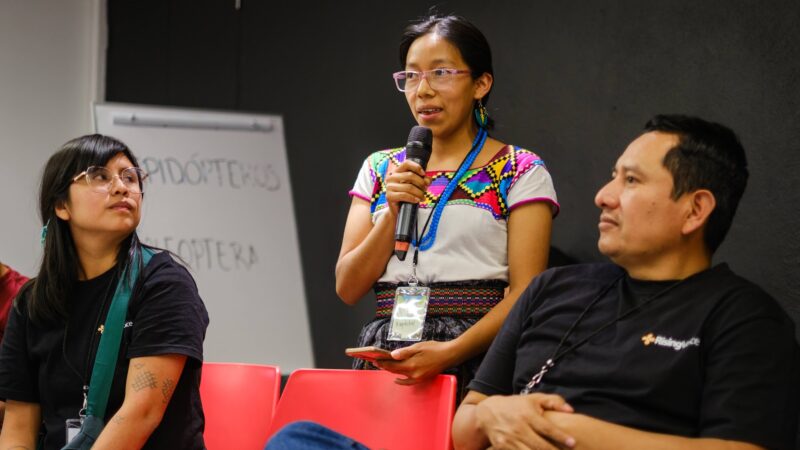
Indigenous Communities Engage with Artificial Intelligence
Indigenous digital activists in Mexico are taking a proactive stance in shaping how artificial intelligence (AI) will impact their languages and cultures. In a recent two-day gathering, representatives from various Indigenous communities came together to explore how emerging technologies could either support the revitalization of their linguistic heritage or pose threats to their cultural sovereignty.
The Intersection of AI and Indigenous Language
Artificial intelligence is rapidly transforming communication, education, and access to information. However, for the Indigenous peoples of Mexico, AI also presents a unique set of challenges and opportunities. During the event, activists examined the implications of AI-driven tools such as voice recognition software, automated translation, and machine learning systems on their native tongues.
One key concern voiced by participants was the risk of misrepresentation and erasure. As AI systems are often trained on large datasets that exclude Indigenous languages, these technologies may standardize dominant languages while rendering Indigenous ones invisible.
Fighting Digital Marginalization
Participants at the forum stressed the importance of asserting self-determination in the face of technological advancements. They called for inclusive development practices that prioritize Indigenous worldviews and epistemologies. By contributing to data collection, software design, and linguistic input, Indigenous developers and linguists aim to ensure their communities are not left behind in the digital age.
One speaker noted, “We must be the ones to decide how our languages are represented in AI systems. Otherwise, we risk losing control over how we see ourselves and how others see us.”
Revitalization Through Technology
Despite the risks, many activists also see AI as a powerful tool for cultural preservation. From educational apps to digital dictionaries, AI technologies can help document and teach Indigenous languages to younger generations. Several projects were showcased at the gathering, including community-led initiatives to create voice recognition systems tailored to specific Indigenous dialects.
These efforts not only make language learning more accessible but also validate the importance of linguistic diversity in the broader technological landscape.
Global Inspirations and Local Action
While the event was focused on Mexico, participants drew inspiration from Indigenous communities in other countries facing similar challenges. They discussed examples from Bolivia, where Indigenous media outlets have suffered from cyberattacks—highlighting the need for digital security alongside digital sovereignty.
The exchange of ideas emphasized that technological equity is a global issue, and that Indigenous voices must be central in conversations about AI ethics and governance.
Collaborative Solutions for Ethical AI
Experts at the forum proposed several collaborative approaches to ensure AI development aligns with Indigenous values. These include open-source platforms that allow Indigenous communities to input and control their linguistic data, partnerships with academic institutions for ethical research, and advocacy for policy reforms that recognize digital rights as human rights.
“AI is not inherently good or bad,” explained one organizer. “It’s a tool. The question is: whose hands is it in, and for what purpose?”
Looking Ahead
The event concluded with a call to action: Indigenous communities must not only participate in the digital landscape but lead its transformation. By asserting their knowledge systems and cultural priorities, they aim to shape a future where technology is used to empower rather than erase.
As AI continues to evolve, so too must the strategies for cultural preservation and self-representation. For Mexico’s Indigenous peoples, the digital age is not just a challenge—it’s an opportunity to reaffirm their identity and sovereignty in new and meaningful ways.
This article is inspired by content from Original Source. It has been rephrased for originality. Images are credited to the original source.