

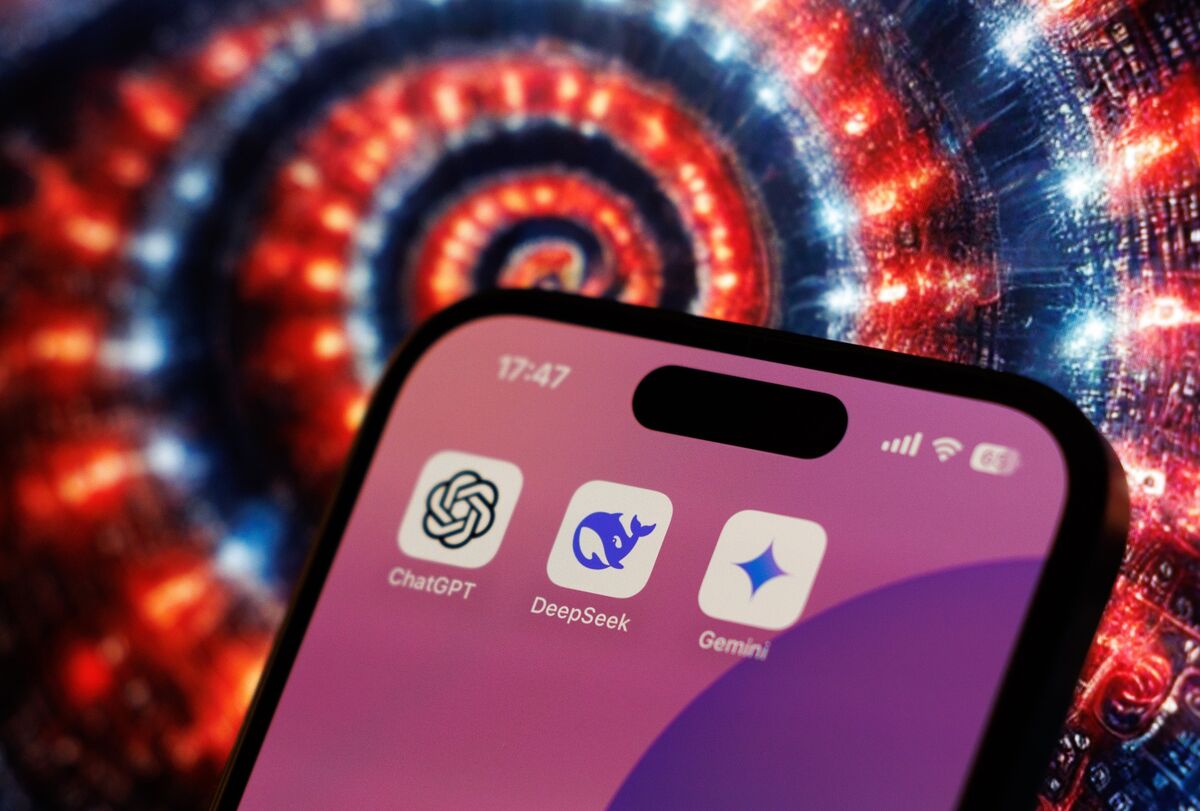
The Growing Memory of AI Chatbots
Artificial intelligence has made remarkable strides in recent years, especially in the realm of chatbot technology. Tools like ChatGPT, Google Gemini, and DeepSeek are evolving rapidly, learning not just how to communicate, but how to remember our preferences, past interactions, and even our personalities over time. This progress sparks a crucial question: how much should AI be allowed to retain about us?
The increasing memory capabilities of AI systems mean that these tools can offer more personalized and consistent experiences. For instance, a chatbot that remembers your name, job, or favorite coffee order can make interactions feel more natural and efficient. But this very memory raises concerns about privacy, consent, and identity.
Benefits of Memory in AI
From a user experience perspective, memory can be a game-changer. When AI can recall previous conversations and understand context, it becomes more than just a tool—it starts to feel like a companion. Users may no longer need to repeat themselves when asking for help or explaining a situation. AI becomes more intuitive, helpful, and aligned with our needs.
Businesses also stand to gain. AI that remembers customer preferences can offer more targeted recommendations, improving satisfaction and potentially boosting sales. In healthcare, AI could support continuity of care by remembering patient history, medications, and doctor preferences. The possibilities are vast, and the efficiency gains are evident.
Risks and Ethical Concerns
However, the very memory that makes AI useful can also become a liability. What happens when an AI remembers too much? Or when it remembers incorrectly? There is the risk of data being misused, either by the AI itself or by malicious actors who gain access to it.
Moreover, users may not always be aware of what AI remembers. Some systems store memory passively, without explicit consent or transparency. This lack of clarity raises ethical questions. Should users have the ability to review and delete memories? Should AI be required to disclose what it remembers?
There’s also the issue of identity. If an AI chatbot builds a memory of you, does that version of “you” persist somewhere in the cloud? And if so, who owns that data? As AI becomes more integrated into our lives, these philosophical and ethical questions will only grow in importance.
What Companies Are Doing About It
Major tech players are beginning to recognize the significance of AI memory. OpenAI, for example, is exploring ways to let users control what ChatGPT remembers. Meta and Google are also experimenting with memory features in their AI products, often in limited or opt-in formats.
Transparency and user agency are becoming central to these developments. Some companies aim to offer dashboards where users can view and manage what the AI remembers. Others are exploring time-limited memory, where data expires after a certain period unless renewed by the user.
Still, these are early steps. The industry lacks a unified standard for AI memory management, and regulatory guidance is still catching up. As memory becomes a defining feature of AI interaction, companies will need to tread carefully to balance innovation with responsibility.
The Future of AI Memory
Looking ahead, AI memory could become one of the most transformative yet controversial aspects of artificial intelligence. A future where AI companions know us better than our closest friends is both exciting and unnerving. It opens doors to unprecedented personalization but also introduces new forms of surveillance and data dependency.
Policymakers, technologists, and ethicists are beginning to engage in discussions about the limits and governance of AI memory. These conversations will be critical in shaping how AI develops and how it coexists with human rights and freedoms.
Ultimately, the question of how much AI should remember is not just technical—it’s deeply human. It touches on what we value in our interactions, how we define trust, and what boundaries we want to set with the machines that increasingly shape our world.
This article is inspired by content from Original Source. It has been rephrased for originality. Images are credited to the original source.