

Slower Profit Growth Expected for US Companies in Q3
U.S. companies are projected to show more modest earnings growth in the third quarter of 2025 compared to the robust gains seen earlier in the year. According to the latest data from LSEG, S&P 500 companies are expected to post an 8.8% year-over-year increase in earnings for Q3, down from the 13%+ growth recorded in the first two quarters.
While overall corporate performance remains solid, a combination of higher tariffs and investor caution surrounding capital expenditures on artificial intelligence (AI) appears to be contributing to a more tempered outlook. The ongoing impact of trade policies, coupled with the economic uncertainty caused by a lack of recent government data due to a federal shutdown, is also shaping expectations this season.
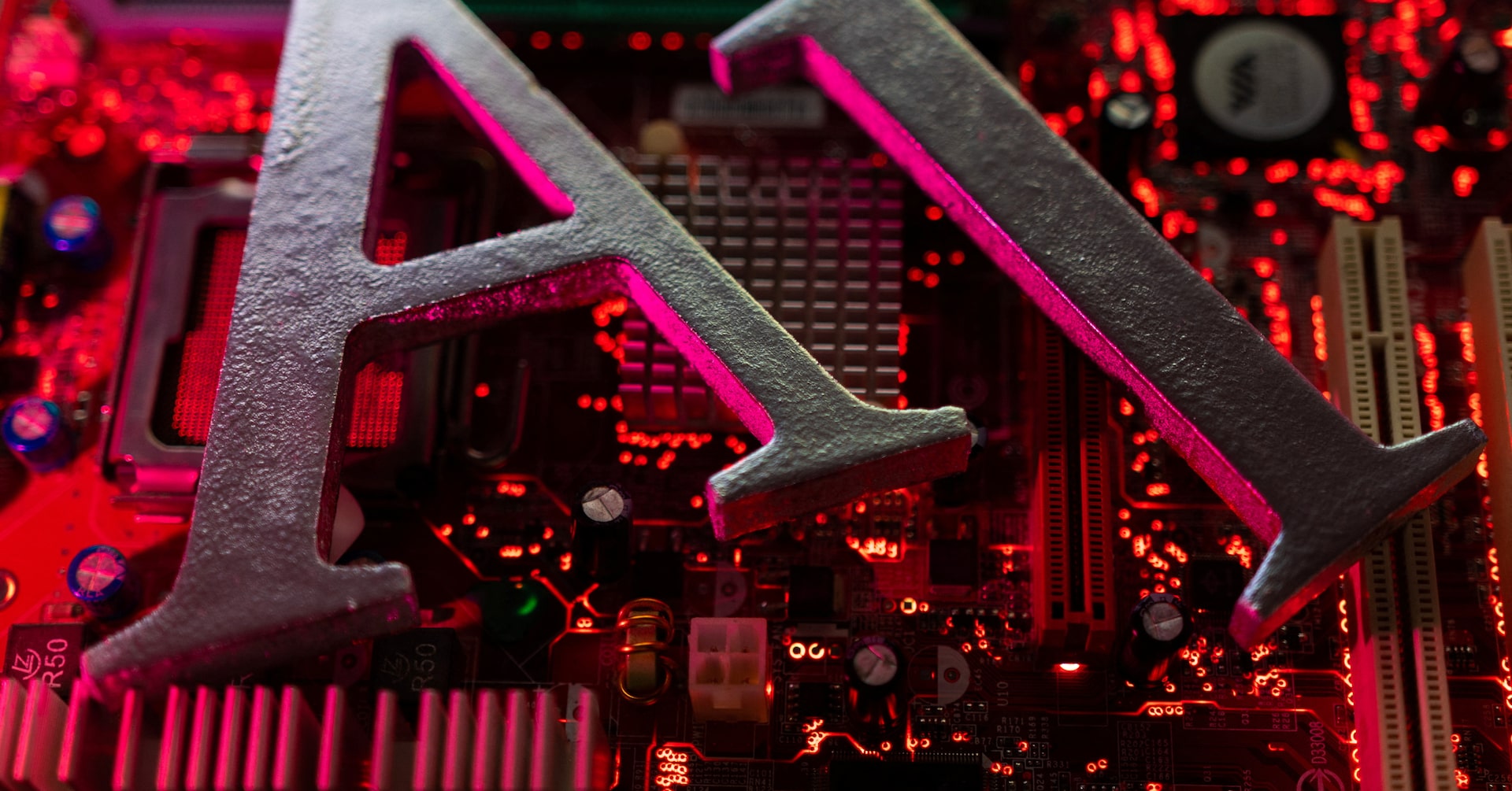
AI Spending Under the Microscope
With Wall Street indices such as the S&P 500 and Nasdaq reaching record highs, largely fueled by optimism around AI, investors are shifting their focus toward how companies are deploying investments in the technology. Analysts and strategists are keen to assess the return on investment from AI spending, particularly from tech giants and the so-called “Magnificent Seven” — a group of large-cap AI leaders.
Anthony Saglimbene, chief market strategist at Ameriprise Financial, noted that while earnings from these leading tech firms could be strong, “investors are going to be skeptical about some of the commentary on capex [capital expenditure] spend.” He added, “Investors are starting to get a little more concerned about the money that’s being spent there, and the payback for that investment.”
High Valuations Raise Concerns
The S&P 500 is currently trading at about 23 times forward earnings, well above its ten-year average of 18.7, according to LSEG Datastream. This has raised concerns among market watchers that valuations, especially in the tech sector, may be overheated. The concentration of gains among a few large-cap stocks has further intensified the scrutiny on AI-related investments.
Despite these valuation concerns, companies continue to aggressively invest in AI infrastructure. Earlier this week, AMD announced a multi-year deal to supply advanced chips to OpenAI, reflecting the high level of commitment many firms are making to AI-driven innovation.
Tariffs and Government Shutdown Create Uncertainty
Trade tensions and tariffs have resurfaced as headwinds. According to Goldman Sachs, customs duties rose 33% in the third quarter to $93 billion, a substantial increase that could exert downward pressure on profit margins. However, analysts believe that most companies have managed to maintain their margins despite these obstacles.
The lack of timely economic data — a result of a federal government shutdown that started on October 1 — has made it harder for investors and analysts to gauge the broader economic landscape. This lack of information may also impact the Federal Reserve’s decisions on interest rates in the months ahead.
Outlook for Key Sectors and Companies
The earnings season unofficially begins next week with reports from major U.S. banks, where an investment banking rebound is expected to have boosted profits. Analysts project that sales for S&P 500 companies grew by 5.7% in Q3 compared to the same period last year. This follows a 6.4% rise in Q2 and a 5% increase in Q1.
David Kostin, chief U.S. equity strategist at Goldman Sachs, and his team wrote in a recent note that they believe third-quarter results will likely exceed expectations, citing mostly positive economic data in the previous quarter. “So far neither tariffs nor economic uncertainty by the consumer have had a negative impact on earnings growth,” added Oliver Pursche, senior vice president at Wealthspire Advisors.
Still, the key question remains: Will the substantial investments in AI translate into meaningful long-term returns? As companies unveil their results in the coming weeks, investors will be closely watching not just the numbers, but also forward-looking guidance and any details on AI-related expenditures.
This article is inspired by content from Original Source. It has been rephrased for originality. Images are credited to the original source.