

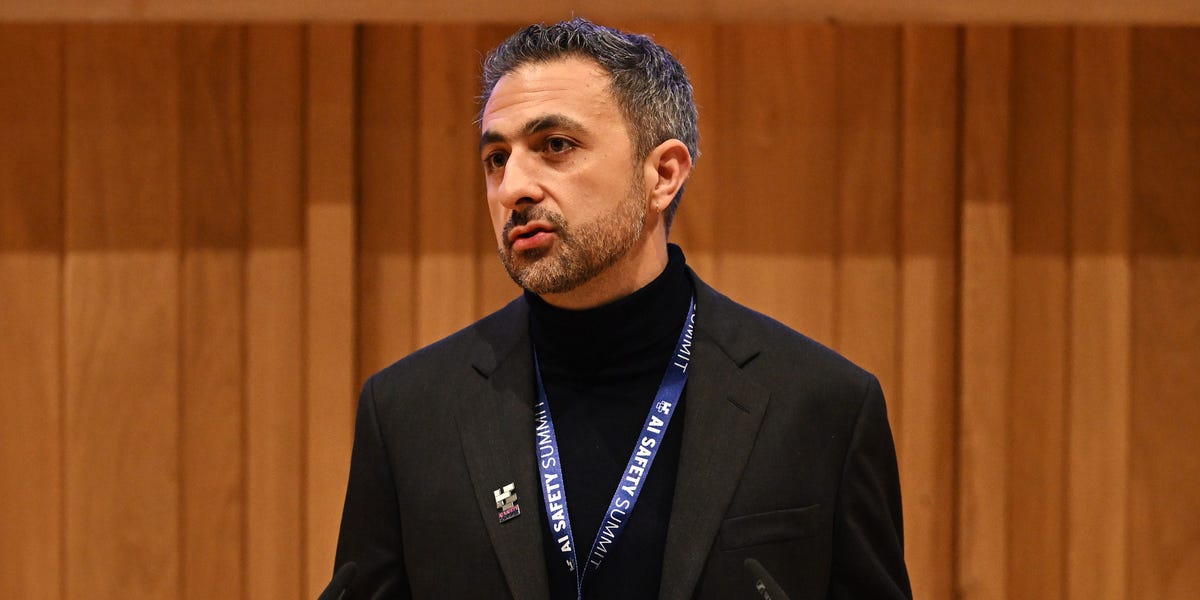
Mustafa Suleyman Shares Vision for AI at Microsoft
Mustafa Suleyman, the recently appointed CEO of Microsoft AI, is charting a bold course for the company’s artificial intelligence ambitions. In a recent interview, he discussed the future of Artificial General Intelligence (AGI), Microsoft’s dynamic partnership with OpenAI, and how the tech giant plans to lead the next wave of AI innovation.
Reimagining the Future with Artificial General Intelligence
Suleyman expressed optimism about the potential of AGI—an advanced form of AI that can perform any intellectual task a human can. He emphasized that Microsoft is committed to developing AGI responsibly and believes such a breakthrough could significantly benefit society. However, he also acknowledged the complexity of defining AGI, noting that the term often carries different meanings for different stakeholders.
“AGI is more of a conceptual horizon than a fixed destination,” Suleyman stated. “It’s a way to frame our progress and ambitions in AI, but we must remain pragmatic and grounded.”
He highlighted the importance of guardrails, transparency, and ethical considerations in building powerful AI systems. “We must prioritize human values in every step of the development process,” he said.
Microsoft and OpenAI: A Strategic Symbiosis
Microsoft’s relationship with OpenAI remains a central pillar of its AI strategy. The partnership, which began in 2019, has since grown into one of the most high-profile collaborations in the tech world. Microsoft has invested billions into OpenAI and integrated its models into products like Microsoft Copilot and Azure AI services.
Suleyman acknowledged that the relationship continues to evolve. While OpenAI remains an independent company, Microsoft benefits from early access to its models and plays a key role in their commercialization. “We have a strong, collaborative partnership, but we’re also developing our own capabilities in parallel,” he noted.
In recent months, questions have emerged about the long-term direction of this alliance. Some speculate whether Microsoft might eventually seek to build its own foundational models or reduce its reliance on OpenAI. Suleyman addressed these concerns by emphasizing Microsoft’s dual-track strategy: deep collaboration with OpenAI alongside internal innovation.
Building a Competitive Edge in the AI Arms Race
As AI competition intensifies globally, Suleyman believes Microsoft is well-positioned to lead. He pointed to the company’s massive infrastructure, talent pool, and ecosystem of partners as key advantages. “We’re not just building models; we’re building platforms that empower developers, enterprises, and governments,” he said.
He also highlighted the importance of usability and accessibility in AI tools. “We want to ensure that the benefits of AI are democratized. Everyone—from a student to a CEO—should be able to harness its power,” Suleyman added.
Microsoft has launched several AI-powered products, including its Copilot tools for Office and GitHub, which have seen rapid adoption across industries. Suleyman hinted at more innovations on the horizon, including AI agents that can carry out multi-step tasks and interact more naturally with users.
Ethics, Regulation, and the Road Ahead
With great power comes great responsibility—a principle Suleyman takes seriously. He spoke at length about the ethical dimensions of advanced AI and the need for thoughtful regulation. “We must work hand-in-hand with policymakers, researchers, and civil society to shape the future responsibly,” he said.
He welcomed global efforts to establish AI governance frameworks, including recent initiatives from the European Union and the U.S. government. “Regulation is not a barrier to innovation; it’s a foundation for trust,” Suleyman asserted.
Internally, Microsoft has set up ethics committees and review processes to evaluate the societal impact of its AI technologies. Suleyman emphasized that safety, fairness, and inclusivity are core design principles.
Personal Journey and Leadership Philosophy
Before joining Microsoft, Suleyman co-founded DeepMind and served as co-founder and CEO of Inflection AI. His journey from a startup entrepreneur to leading AI at one of the world’s largest companies gives him a unique perspective on innovation and scale.
“I’ve always believed that technology should serve humanity,” he said. “At Microsoft, I have the opportunity to turn that belief into action at a global level.”
He described his leadership style as collaborative and mission-driven, with an emphasis on long-term impact over short-term hype. “We’re not chasing headlines; we’re building the future,” he concluded.
This article is inspired by content from Original Source. It has been rephrased for originality. Images are credited to the original source.