

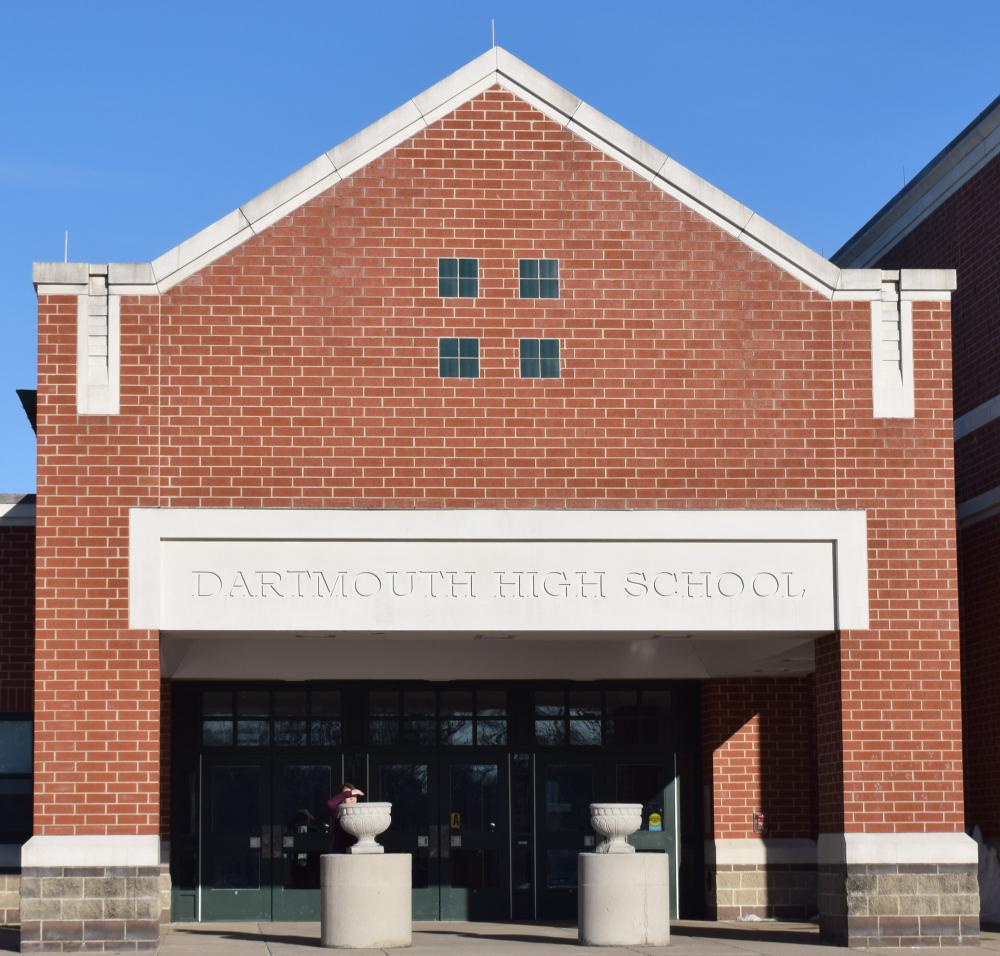
Dartmouth High Embraces Artificial Intelligence in Education
Dartmouth High School has taken a significant step toward modernizing education by incorporating artificial intelligence (AI) into its curriculum. While the initiative is not yet district-wide, the high school has begun implementing structured usage practices and guidelines aimed at enhancing student learning and preparing them for the future.
AI Literacy: A New Educational Priority
The primary goal of this initiative is to foster AI literacy among students. According to English teacher Jessica Brittingham, recent studies place AI literacy among the top three essential skills students need upon graduation. “We’re not putting toothpaste back in a tube—it’s just going to continue to grow and develop,” she said. Brittingham emphasized that exposing students to AI is critical, as the technology is here to stay and rapidly evolving.
Equity and Support for All Learners
School administrators believe integrating AI is not only a strategic move but also a matter of equity. As other districts adopt similar measures, Dartmouth High wants its students to remain competitive in both college and career pursuits. Brittingham noted that AI can also assist students struggling with executive dysfunction or learning challenges. “It all comes from a place of compassion for students,” said Principal Ryan Shea. “What’s best for them, in the short term or the long term, is what we’re focused on.”
Safe and Structured AI Tools
Students and staff at the school are using Google Gemini, an AI tool that complies with data privacy regulations including the Family Educational Rights and Privacy Act (FERPA). Gemini does not collect student data and uses a Socratic method to help students reach their own conclusions rather than simply providing answers.
The school has developed a four-tiered system to guide AI usage:
- Level 0 – No AI use
- Level 1 – Minimal AI assistance
- Level 2 – Moderate AI involvement
- Level 3 – Heavy AI assistance
- Level 4 – Entirely AI-generated work (discouraged)
Each assignment includes clear directions on the acceptable level of AI use. Administrators encourage students to stay within levels one to three for optimal educational value.
Maintaining Critical Thinking and Academic Integrity
Brittingham reassured that AI will not diminish students’ analytical skills. Instead, it challenges them to formulate the right prompts, evaluate AI responses, and cross-check information for accuracy. Students are expected to understand when and how to apply AI-generated insights effectively.
Despite its benefits, AI is not infallible. The school acknowledges that the technology can make errors, as evidenced by a past incident where AI incorrectly graded 1,400 MCAS tests. It can also generate misleading information or cite non-existent sources.
Practical Applications for Students and Teachers
Students are encouraged to use AI for tasks like peer editing, summarizing notes into study guides, and conducting research. Teachers use it for creating lesson plans, adjusting assignment difficulty levels, and providing student feedback. However, educators are required to review and validate all AI-generated content before using it in the classroom.
One practical example includes students writing essays in class and then using AI tools to proofread their work. This approach ensures students still engage deeply with the material while benefiting from technological assistance.
Creative Use and Ethical Considerations
AI’s role in the arts is also being explored. While most art classes permit AI usage, AP Art Studio remains an exception. Students and teachers must disclose the extent of any AI involvement in their work. Submitting fully AI-generated pieces as original work will be considered plagiarism.
There are ongoing debates about AI’s environmental impact, potential biases, influence on creativity, and its effect on social interaction. However, the administration believes the advantages outweigh these concerns. “AI is not going anywhere,” Brittingham reiterated.
Addressing Mental Health and Responsible Use
To mitigate risks such as social isolation or mental health issues, school social workers are being trained to recognize and respond to potential problems. Meanwhile, staff members openly use AI in their personal lives. Principal Shea uses it for party planning and recipes, while Brittingham and Assistant Principal Stephanie Santos utilize it for vacation planning and even making memes for friends.
For students who over-rely on AI, school officials plan to engage them in discussions about healthy usage habits. Brittingham is also available to meet with students or staff who are hesitant or anxious about using AI, offering reassurance and guidance.
“All feelings about AI are totally valid,” said Brittingham. “Whether you’re excited, fearful, or overwhelmed, it’s okay. But we will still ensure every student gains AI literacy, because these skills are essential.”
This article is inspired by content from Original Source. It has been rephrased for originality. Images are credited to the original source.