

Introduction: AI in the Luxury Industry
The rise of AI in the luxury industry has sparked widespread debate about the future of human roles in high-end sectors. As automation and artificial intelligence continue to revolutionize manufacturing, retail, and customer service, there is speculation about whether these technologies can ever truly replace the human touch that defines luxury experiences. This article explores the unique aspects of luxury goods and services, and why AI in the luxury industry will enhance, rather than replace, human involvement.
The Human Element: Core to Luxury
Luxury goods are not just about function—they are about emotion, craftsmanship, and the stories behind their creation. The luxury industry thrives on human creativity, meticulous craftsmanship, and an ability to understand nuanced customer desires. Even as AI in the luxury industry becomes more sophisticated, it cannot replicate the irrational and often emotional motivations that drive luxury purchases. Consumers are not just buying a product; they are investing in a piece of human effort, intention, and artistry.
Automation and Its Limits
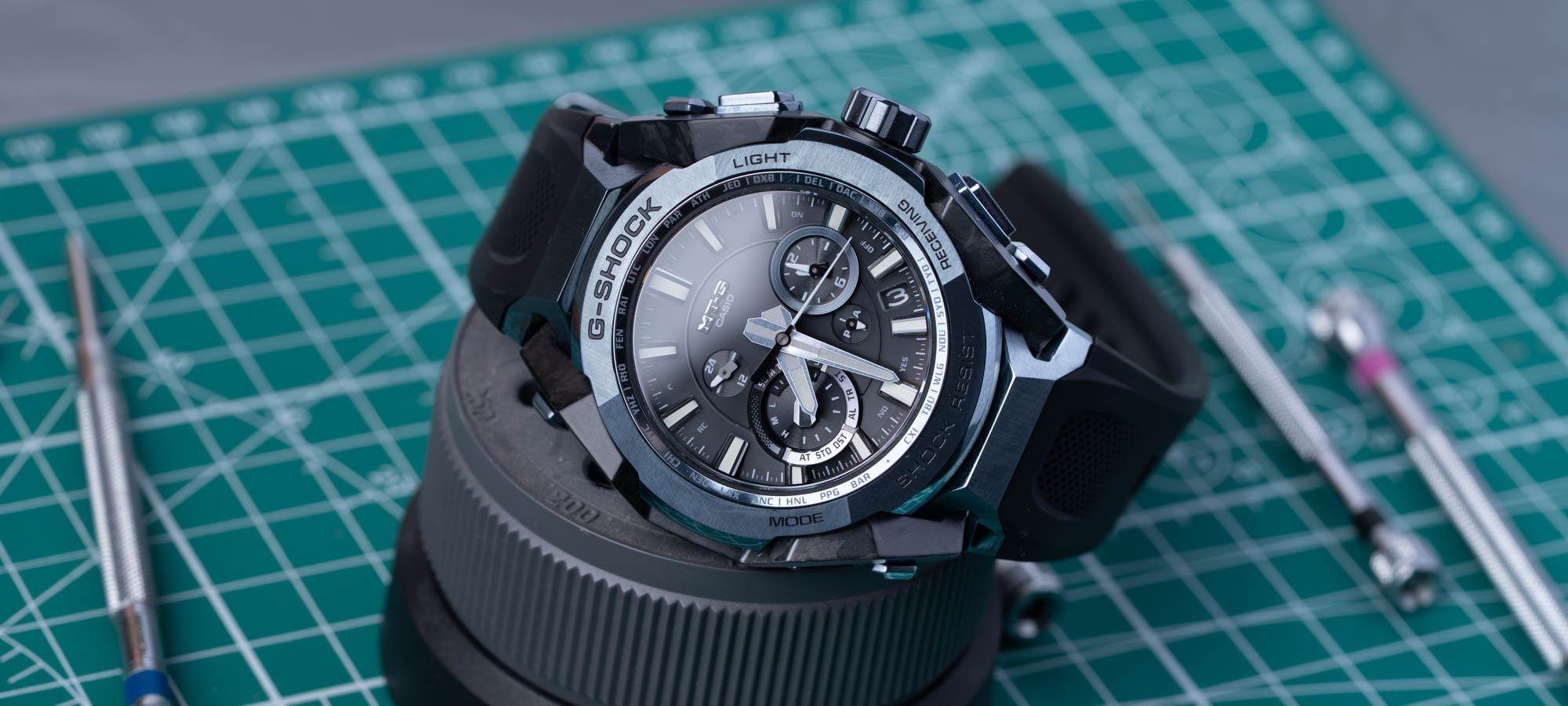
Historically, the luxury sector has adapted new technologies to improve production and efficiency. Automation, including the use of AI, has made manufacturing more consistent and scalable. However, unlike mass-market goods, luxury items often gain value from the visible evidence of human labor and attention to detail. For example, watch collectors prize timepieces not only for their technical excellence but for the hours of hand-finishing and decoration by skilled artisans. AI in the luxury industry can assist with design or logistics, but the core appeal remains human-made excellence.
AI’s Role: Tool, Not Replacement
Today, AI in the luxury industry serves primarily as a tool to streamline certain business processes, enhance design experimentation, and support human staff. Generative AI can create rapid design prototypes or suggest new combinations of materials, but the final curation and approval rest with human designers. This partnership allows brands to be more innovative, while ensuring that the final products reflect human taste and cultural sensibilities. Overreliance on AI in the luxury industry risks producing soulless, generic products that lack the distinctive personality luxury consumers seek.
Customer Experience: The Need for Human Connection
Luxury consumers value personalized service and genuine interaction. While chatbots and AI-powered customer service tools are increasingly common, their role is mostly functional. Buyers of luxury items often prefer to interact with knowledgeable sales staff who can offer tailored advice and build relationships. The emotional reassurance, flattery, or storytelling provided by a human cannot be convincingly replicated by AI in the luxury industry. In fact, attempts to mask automated services as human interactions are often met with skepticism or outright rejection by discerning clients.
The Value of Human Labor and Intention
One of the unique selling points in luxury is the story of human labor and intention behind each item. Whether it’s a watch that takes hundreds of hours to assemble or a handbag crafted by a renowned artisan, the narrative of skilled effort adds immense value. AI in the luxury industry can highlight these stories, but it cannot originate them. Luxury brands often emphasize the time, dedication, and expertise invested in their products, reinforcing the idea that true luxury is human at its core.
AI as an Enhancement, Not a Threat
Rather than seeing AI as a replacement for human roles, luxury brands are embracing it as an enhancement. For instance, AI can provide sales staff with real-time information or suggest personalized recommendations to customers, enriching in-person experiences. In design, AI can inspire creativity by generating novel ideas, but human designers curate, refine, and decide what fits their brand’s ethos. AI in the luxury industry is most powerful when used to support and elevate human capabilities, not supplant them.
Conclusion: The Future of AI in the Luxury Industry
While AI in the luxury industry will continue to evolve, it is unlikely to replace the fundamental human aspects that define luxury. Consumers seek authenticity, emotional resonance, and a sense of connection—qualities that only humans can deliver. Brands that leverage AI as a supportive tool while maintaining a focus on human craftsmanship, customer service, and story will continue to thrive. The future of luxury lies in the collaboration between advanced technology and the irreplaceable human touch.
This article is inspired by content from Original Source. It has been rephrased for originality. Images are credited to the original source.