

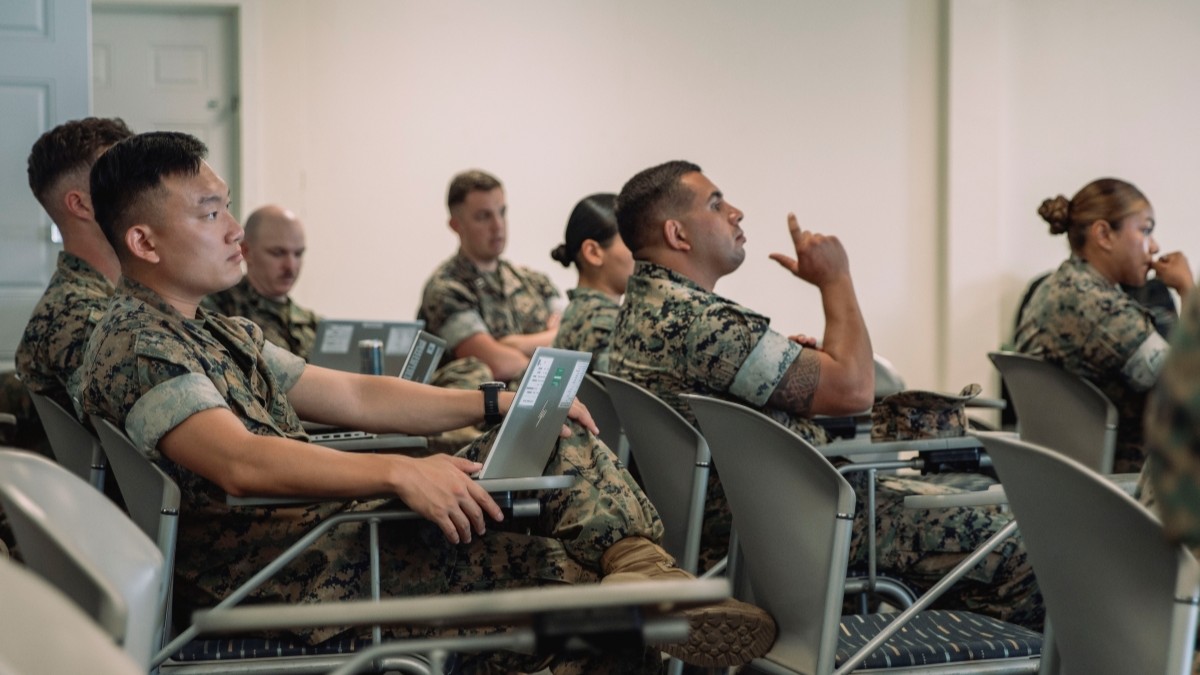
Introduction: The Impact of AI on Military Operational Planning
The emergence of AI military operational planning has introduced a new era for defense strategies across the globe. As artificial intelligence technologies become increasingly integrated into military operations, professionals tasked with developing and executing plans face both unprecedented opportunities and complex challenges. In this article, we explore how AI is transforming military operational thinking, the benefits and concerns it brings, and what the future may hold for armed forces navigating this technological revolution.
The Rise of Artificial Intelligence in the Military
Over the past decade, militaries worldwide have accelerated their adoption of AI-powered tools for intelligence gathering, logistical support, and operational design. AI military operational planning allows for faster data analysis, more accurate threat assessments, and the ability to simulate complex scenarios in real time. These advantages can give military commanders a critical edge, enabling them to make better-informed decisions under pressure.
Yet, as AI’s role expands, a sense of unease persists among military strategists. Many worry that overreliance on algorithms could erode the human judgment and creativity that have historically defined effective operational planning. Questions abound: Can AI truly replicate the nuanced thinking required in the fog of war? How will human planners and AI systems collaborate in high-stakes environments?
Balancing Human Expertise with AI Capabilities
One of the central challenges in AI military operational planning is striking the right balance between automated systems and human expertise. While AI can process vast amounts of data and identify patterns invisible to the human eye, it lacks the contextual understanding and moral reasoning that experienced commanders bring to the table. Military leaders must ensure that AI acts as a force multiplier rather than a replacement for essential human skills.
To achieve this balance, many armed forces are investing in hybrid planning teams that pair AI specialists with seasoned military strategists. These teams collaborate to harness AI’s analytical power while applying human insight to interpret results, validate recommendations, and make final decisions. This approach helps mitigate risks associated with algorithmic bias or blind spots in AI-driven analysis.
Challenges and Risks of AI in Operational Planning
Despite its promise, AI military operational planning poses several risks. One concern is the potential for adversaries to exploit vulnerabilities in AI systems, such as feeding them misleading data or launching cyberattacks designed to disrupt operations. Another issue is the “black box” problem—when AI models produce recommendations without explaining their reasoning, making it difficult for commanders to trust or verify the results.
Additionally, the rapid pace of AI development can outstrip the military’s ability to update doctrine, training, and organizational structures. This dynamic environment demands continuous learning and adaptation, both from humans and machines. Ensuring that personnel remain proficient in both traditional operational thinking and AI-enabled methods is an ongoing challenge.
The Future of Military Operational Thinking in the Age of AI
Looking ahead, the integration of AI into military operational planning is set to deepen. Advances in machine learning, natural language processing, and autonomous systems will further enhance the ability to process information, predict enemy actions, and coordinate complex operations. However, success will depend on maintaining a clear-eyed view of AI’s limitations and fostering a culture of critical thinking.
Military organizations will need to invest in education, ethics, and interdisciplinary collaboration to maximize the benefits of AI military operational planning. By doing so, they can ensure that technological advancements serve as an asset rather than a liability in safeguarding national security.
Conclusion: Navigating the AI Transformation
In conclusion, AI military operational planning represents both a transformative opportunity and a profound challenge for today’s armed forces. By blending the speed and precision of AI with the wisdom and adaptability of human planners, militaries can better navigate the uncertainty of modern conflict. As this technology continues to evolve, thoughtful integration and ongoing vigilance will be essential to maintaining operational effectiveness in an increasingly complex world.
This article is inspired by content from Original Source. It has been rephrased for originality. Images are credited to the original source.