

Utah Republicans Challenge Trump’s AI Regulation Strategy
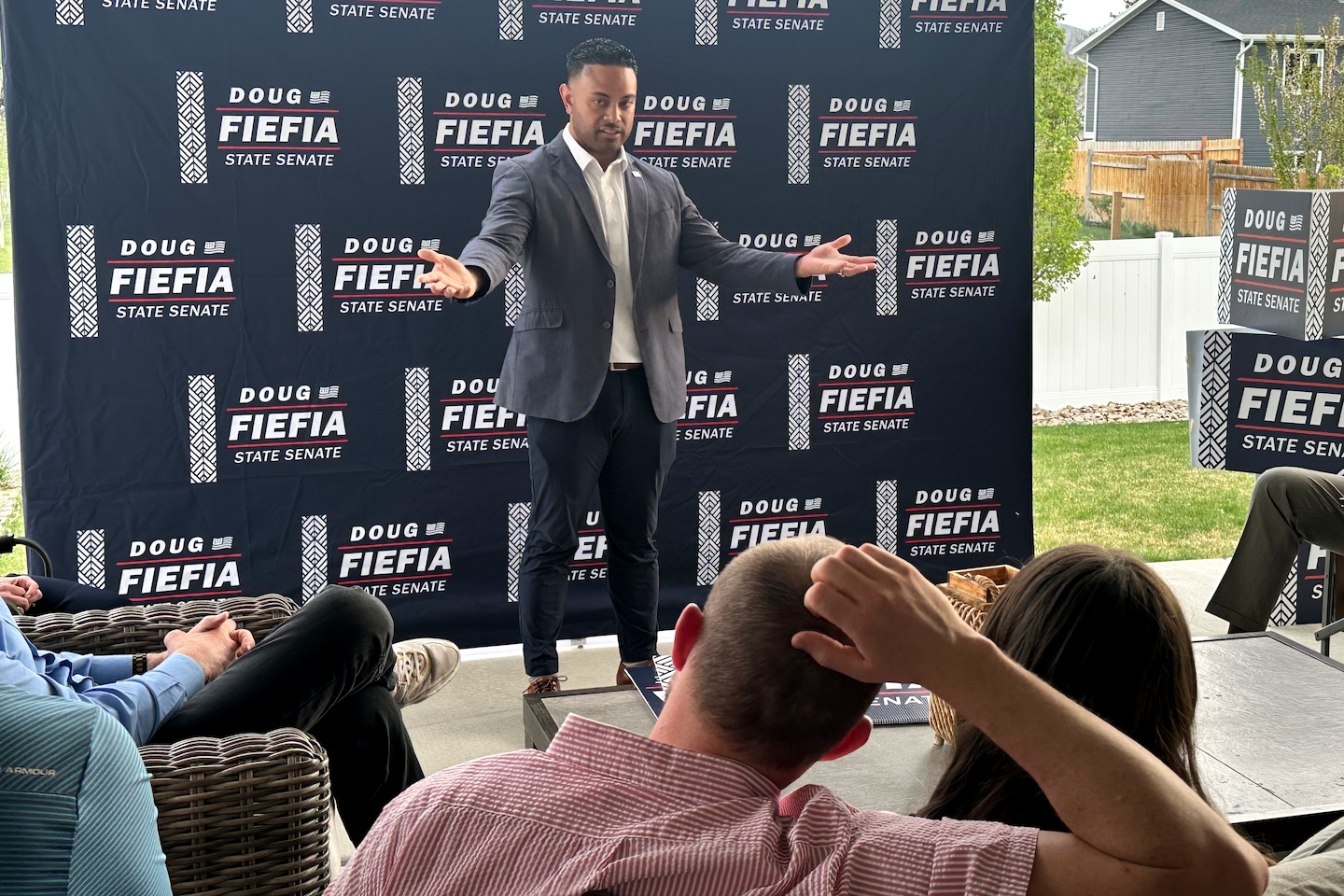
Artificial intelligence policy is emerging as a new battleground in American politics. At a recent gathering in Riverton, Utah, a dozen Republican activists discussed their key concerns for the 2026 elections. While topics like water scarcity and immigration fraud dominated much of the conversation, a pressing and timely issue also came to the fore: who should control the regulation of artificial intelligence — the federal government or individual states?
Former President Donald Trump has advocated for a unified, national standard governing AI regulation. He argues that a single policy would ensure consistency and avoid a patchwork of state-by-state rules that could hamper technological growth. However, not all Republicans are on board with this centralized approach. Utah Republicans, in particular, are pushing back and asserting the importance of state-level oversight for AI technologies.
State vs. Federal Control: The Core Debate
The debate over artificial intelligence policy reflects longstanding tensions between federal authority and states’ rights. Trump’s supporters believe a national standard is necessary to keep the U.S. competitive with global powers like China, and to prevent regulatory confusion for businesses. But Utah Republicans argue that states are better equipped to address the unique needs and values of their local communities.
Doug Fiefia, a Utah Republican and former Google employee, is among those who believe that state governments should have a significant say in AI regulation. “Local leaders know what’s best for our communities,” Fiefia told the group. He highlighted Utah’s pioneering record in technology policy and its reputation for responsible innovation.
Local Concerns Drive Policy Perspectives
Many Utah activists worry that a one-size-fits-all federal policy could ignore the specific challenges and opportunities faced by states like theirs. The group in Riverton voiced concerns that federal overreach might stifle local businesses or fail to consider community standards around privacy, data use, and ethical deployment of AI technologies.
Some also pointed out that Utah has previously led the way on issues like data privacy and digital identity, suggesting that states can act as policy laboratories for emerging technologies. They expressed confidence that state lawmakers, being closer to their constituents, can craft artificial intelligence policies that reflect local values while still encouraging innovation.
Political Implications for the 2026 Elections
As the 2026 elections approach, the issue of AI regulation is poised to play a larger role in political campaigns. Trump’s call for a national standard is expected to resonate with some voters who prioritize American competitiveness and technological leadership. However, Utah Republicans’ resistance highlights a broader struggle within the party over the balance between national cohesion and state autonomy.
Utah’s position could influence other states with strong traditions of local control. If more state leaders echo the sentiments expressed in Riverton, the Republican Party may face internal divisions over how best to approach artificial intelligence policy at the federal level.
Broader Trends in Tech Policy
This debate is part of a broader trend in U.S. technology policy, where issues like data privacy, social media regulation, and digital infrastructure have also sparked conflicts between state and federal governments. As AI becomes increasingly integrated into daily life, determining who sets the rules will become even more consequential.
Tech experts warn that a fragmented regulatory landscape could create challenges for companies operating across multiple states, potentially slowing innovation. But supporters of state-led regulation counter that it allows for more experimentation and responsiveness to local needs.
The Road Ahead for AI Governance
The outcome of this debate over artificial intelligence policy could shape not only the future of AI in the U.S. but also the broader relationship between state and federal power. Utah Republicans’ determination to maintain local oversight highlights the enduring appeal of states’ rights, even in areas as complex and fast-moving as artificial intelligence.
As the 2026 election season heats up, all eyes will be on how this conflict plays out — both within the Republican Party and across the nation. The push and pull between national standards and local control will continue to define the evolution of AI governance for years to come.
This article is inspired by content from Original Source. It has been rephrased for originality. Images are credited to the original source.