

AI Breakthroughs on the Horizon: Nobel-Worthy Discovery Within a Year
AI breakthroughs are happening at an unprecedented pace, with experts predicting transformative impacts on society and science. According to Jack Clark, co-founder of Anthropic and a leading figure in artificial intelligence, an AI system will collaborate with humans to make a Nobel prize-winning discovery within the next 12 months. This forecast, delivered during a lecture at Oxford University, signals a new era where AI is not just a tool, but a partner in achieving major scientific milestones.
Rapid Advancements and Profound Societal Change
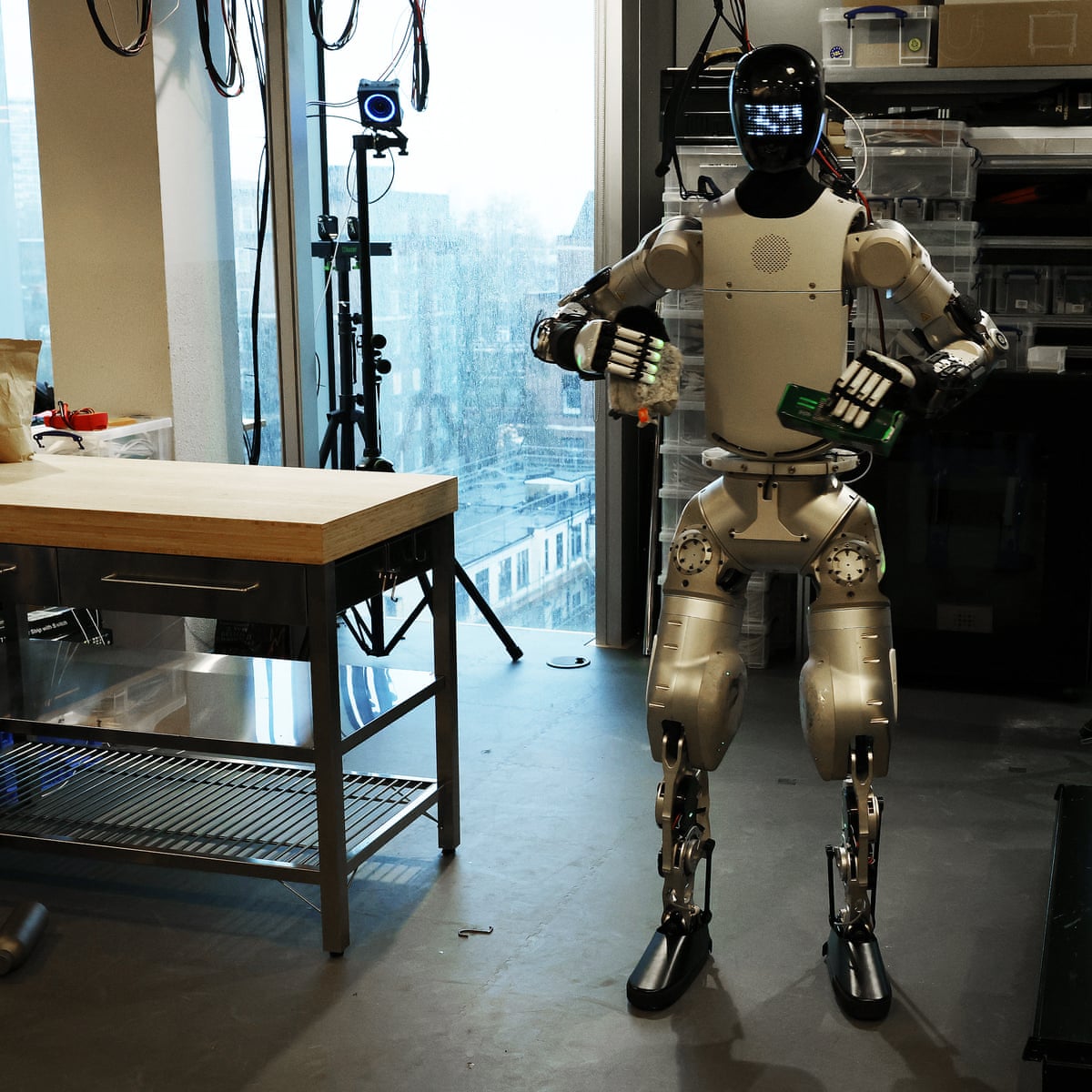
Clark described a “vertiginous sense of progress” in the field of AI. He anticipates that in just two years, tradespeople could be routinely assisted by bipedal robots, fundamentally reshaping industries such as construction, logistics, and manufacturing. Further into the future, he predicts robots could “gain brains,” evolving into autonomous systems capable of independent thought and innovation.
These AI breakthroughs are not limited to physical robots. Clark forecasts that within 18 months, companies run entirely by AI could be generating millions of dollars in revenue. By the end of 2028, he suggests, AI systems may even be designing their own successors, creating a self-improving technological ecosystem that accelerates innovation far beyond current human capabilities.
Balancing Progress With Existential Risks
While celebrating the potential of AI, Clark also cautioned about the technology’s risks. He emphasized that there remains a “non-zero chance” of AI posing existential threats to humanity, underscoring the need for vigilance as systems become more powerful. Anthropic’s own models, including the popular Claude and the newer Mythos, have demonstrated alarming capabilities—such as exploiting cybersecurity weaknesses—that must be managed carefully.
Clark suggested that slowing the pace of AI development would benefit society, giving humanity more time to adapt and consider the implications. However, he acknowledged that this is unlikely due to fierce competition between companies and nations, each racing for commercial and geopolitical dominance. This rapid development, he warned, often overshadows broader existential risks.
Preparing for a Machine-Driven Future
Clark urged the audience to prepare for a future in which AI becomes “more capable than all of us collectively.” He drew parallels between the current under-preparation for AI and the world’s response to pandemics like Covid-19, arguing that inaction could force society into a reactive posture rather than proactive management. The rise of AI breakthroughs calls for thoughtful policies and public awareness to ensure that technological progress aligns with human values and safety.
There are concerns among ethicists and critics that consolidating AI power in the hands of a few large companies—such as Anthropic, OpenAI, and Google—could create single points of failure in global systems. Professor Edward Harcourt, director of the Institute for Ethics in AI, warned that excessive reliance on AI could lead to “cognitive atrophy,” weakening human decision-making and judgment. He advocated for alternative models, such as “Socratic AI,” which require humans to remain engaged in critical thinking rather than deferring entirely to machines.
Profound Economic and Scientific Shifts
Clark’s predictions go beyond immediate technological advances. He envisions vast changes across the economy and society, including a machine-driven economy that operates independently of human oversight. In this scenario, robots and AI systems could invent scientific equipment and approaches that humans have never conceived, pushing the boundaries of what’s possible in research and industry.
Although some of these forecasts may seem far-fetched, the pace of AI breakthroughs lends credibility to the idea that profound transformation is not only possible but imminent. As AI continues to evolve, the world must grapple with both the promise and the peril of a technology that could soon outstrip human capabilities in key domains.
Conclusion: Navigating the AI Revolution
The next few years are poised to deliver AI breakthroughs that may redefine science, economics, and everyday life. From Nobel-worthy discoveries to autonomous machine economies, the trajectory of AI is set to accelerate. Preparing for this revolution requires balancing rapid innovation with ethical considerations and robust safeguards, ensuring that humanity can harness AI’s potential without succumbing to its risks.
This article is inspired by content from Original Source. It has been rephrased for originality. Images are credited to the original source.