

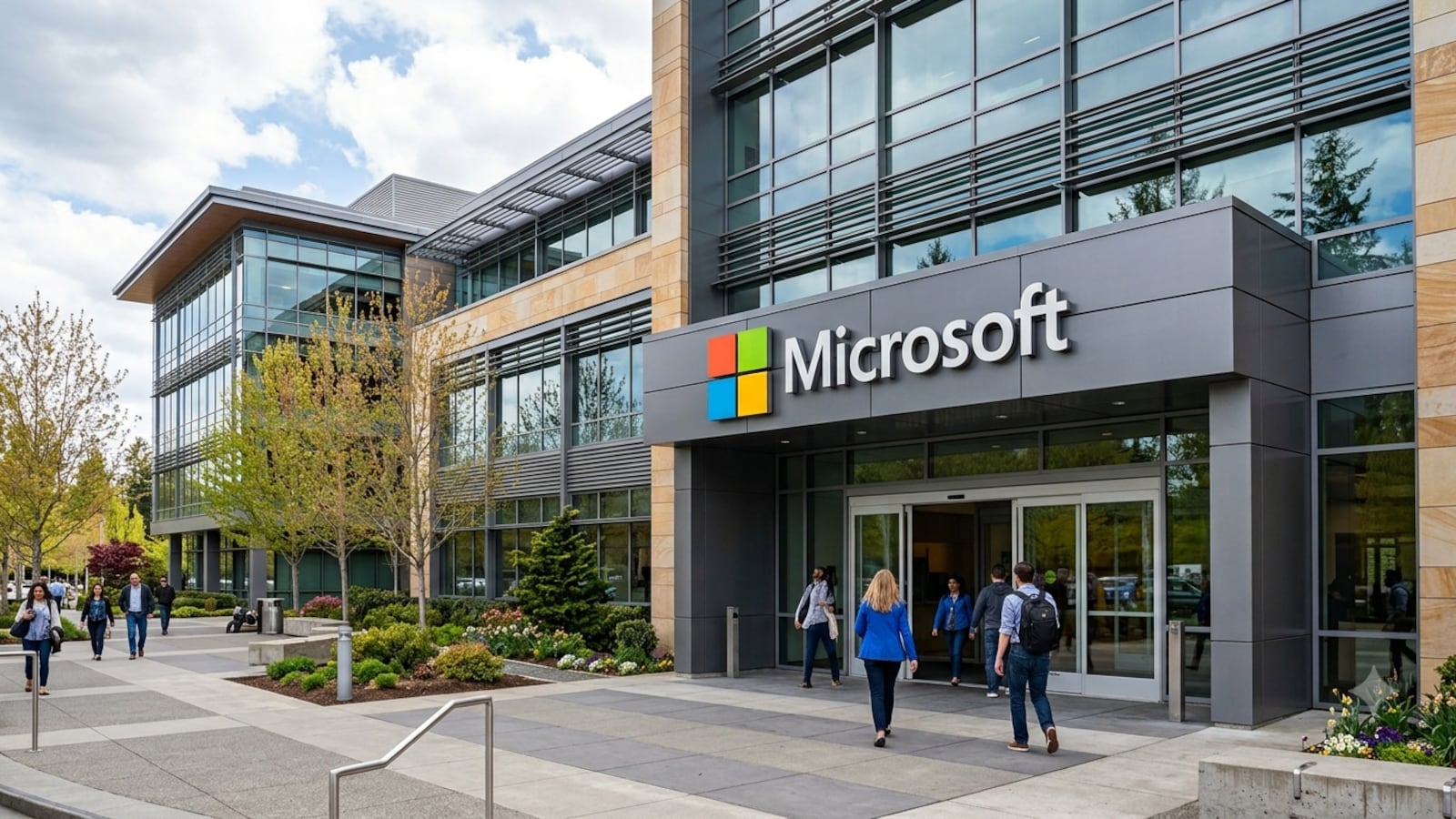
Microsoft Initiates Significant Security Leadership Reshuffle
Microsoft cybersecurity leadership is undergoing a substantial transformation as the company adapts to the evolving landscape of AI-driven security threats and technologies. According to a recent report by The Information, Hayete Gallot, who took over as Microsoft’s new security boss in February, has spearheaded a sweeping executive shakeup, replacing several long-standing senior leaders as part of a broader AI restructuring initiative.
Hayete Gallot Leads Security Transformation
Hayete Gallot’s appointment as executive vice president marked a turning point for Microsoft’s security division. Reporting directly to CEO Satya Nadella, Gallot replaced several executives who previously reported to former security chief Charlie Bell. This move is part of an ambitious effort to align Microsoft’s cybersecurity leadership with the company’s intensified focus on AI-powered security solutions. As the world’s largest seller of cybersecurity software, Microsoft is repositioning itself to address new digital threats using advanced artificial intelligence tools.
The leadership changes have included both departures and new appointments. At least one leadership departure and one replacement have been independently verified. While Microsoft has declined to comment on the specific details of these changes, it is clear that Gallot’s vision involves streamlining the team and driving innovation in cybersecurity through AI.
Focus on AI-Powered Security Tools
Under Gallot’s direction, Microsoft is prioritizing the development of AI cybersecurity leadership tools such as Microsoft Security Copilot. These advanced products are designed to scan code for vulnerabilities, monitor AI agents, and help organizations stay ahead of rapidly evolving cyber threats. By leveraging AI, Microsoft aims to provide businesses with more effective ways to detect, respond to, and neutralize security risks.
Gallot’s leadership also comes at a time of significant workforce changes. In line with the company’s AI restructuring, hundreds of roles have been eliminated, and earlier this month, Microsoft announced the layoff of 4,800 workers — representing 2.1% of its global workforce. The Xbox division was hit hardest, with 3,200 employees affected. This wave of layoffs underscores Microsoft’s commitment to focusing resources on high-impact areas like security and AI.
High-Profile Departures and New Hires
The executive reshuffle has seen the exit of several prominent leaders. Joy Chik, a Microsoft veteran with nearly three decades at the company, and Shawn Bice, who spent four years with Microsoft, are among those reported to have left. Bice’s departure has been confirmed via his LinkedIn profile, which shows he has joined AWS (Amazon Web Services) as of May. These changes highlight the scale of the transformation underway within Microsoft’s security leadership.
To support her vision, Gallot has brought in new talent. Naseem Tuffaha, a long-time Microsoft employee who had left in 2022, has returned as corporate vice president. Rajesh Sundaram, with experience at NetApp and Hewlett Packard Enterprise, is another noteworthy addition to the leadership team. Gallot’s approach is characterized by a blend of product innovation and customer value realization, qualities praised by CEO Satya Nadella during her appointment announcement.
Strategic Direction for Microsoft Cybersecurity
Gallot’s internal communications emphasize the need for “clarity, conviction, and focus” as Microsoft navigates a rapidly changing industry. In a memo to employees, she stated, “The entire industry is getting reimagined from the ground up. It will reward the companies that see the shift early, make the hard choices, and execute with discipline.” These comments reflect the urgency with which Microsoft is adapting to AI-driven changes in the cybersecurity landscape.
Microsoft’s investments in AI-powered security tools, such as Security Copilot and the continued growth of the Purview suite, are central to its strategy. The company’s leadership believes that these innovations will help maintain its position as a global cybersecurity leader, providing customers with cutting-edge solutions to meet emerging threats.
The Future of Microsoft’s Security Leadership
As Microsoft’s cybersecurity leadership continues to evolve, the company is poised to set new standards in the industry. By reshaping its executive team and doubling down on AI-enabled technologies, Microsoft aims to offer more robust protection for its customers and to solidify its role at the forefront of global cybersecurity.
Looking ahead, Gallot’s leadership and the ongoing transformation are expected to shape Microsoft’s security approach for years to come. Industry observers will be watching closely as the company navigates this period of change, seeking to balance innovation, efficiency, and customer trust.
This article is inspired by content from Original Source. It has been rephrased for originality. Images are credited to the original source.