

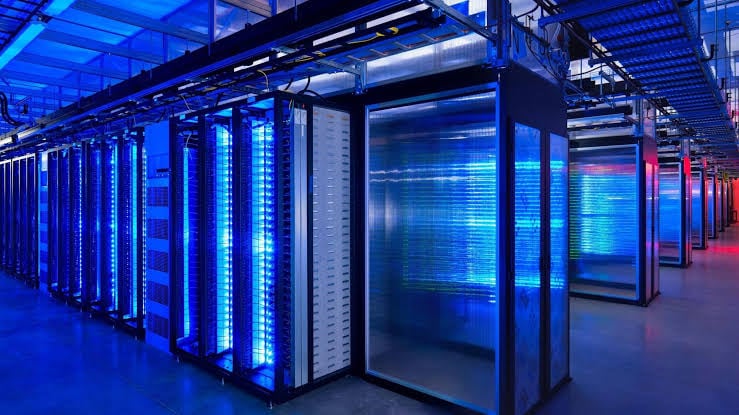
Rising Concerns Over Data Center Expansion
The rapid expansion of data centers across the Americas is drawing significant attention from environmental and social organizations. Recently, a coalition of groups urged the Inter-American Commission on Human Rights (IACHR) to investigate the environmental and social impacts of data centers. The data center environmental impact issue is becoming increasingly urgent as digital infrastructure grows to support artificial intelligence, cloud computing, and online services.
Why Data Center Growth Matters
Data centers are essential for modern digital life, powering everything from social media and streaming to AI-driven applications. However, this growth raises important questions about the sustainability of these facilities. Data centers require massive amounts of electricity, often sourced from non-renewable resources. This consumption contributes to carbon emissions, climate change, and places a significant burden on local energy grids. The data center environmental impact is especially pronounced in regions where regulations around energy use and environmental protection are weak or inconsistently enforced.
Environmental Effects: Water, Energy, and Emissions
One of the primary concerns around data centers is their high energy demand. According to environmental advocates, these facilities can consume as much electricity as small cities. As a result, the data center environmental impact includes increased greenhouse gas emissions, particularly if the centers rely on fossil fuels. Additionally, cooling these data centers often requires vast quantities of water, putting pressure on local water supplies and ecosystems. In drought-prone areas, this can exacerbate existing environmental stresses and affect local communities’ access to clean water.
Social Concerns: Community and Labor Impacts
Beyond environmental issues, the growth of data centers can have significant social consequences. The construction and operation of these centers may displace local communities, alter land use, and change the character of neighborhoods. Labor practices have also come under scrutiny, as some facilities rely on precarious or low-wage jobs with limited protections. The coalition urging the IACHR is particularly concerned about the lack of public participation and consultation in data center planning processes. They argue that without community input, developments can overlook or worsen social inequalities.
Regulatory Gaps and the Need for Oversight
Many regions in the Americas lack robust regulations to address the data center environmental impact. In some cases, companies are able to build and operate large-scale facilities with minimal oversight, leading to unchecked environmental degradation and social disruption. The organizations calling on the IACHR believe that a human rights-based approach is needed to ensure that technological progress does not come at the expense of people and the planet. They advocate for transparent planning, environmental impact assessments, and meaningful community engagement before new data centers are approved.
Calls for Sustainable Solutions
To mitigate the environmental and social harms of rapid data center expansion, advocates recommend a series of sustainable solutions. These include investing in renewable energy sources, such as wind and solar, to power facilities. Improving energy efficiency through advanced cooling technologies and optimized data management practices is also key. In addition, they call for stronger policies to protect water resources, reduce carbon emissions, and guarantee fair labor standards. Ultimately, addressing the data center environmental impact requires collaboration between governments, companies, and civil society.
Looking Ahead: Balancing Technology and Responsibility
As demand for digital services continues to rise, the expansion of data centers is likely to accelerate. The challenge for policymakers, industry leaders, and communities is to balance the benefits of technological innovation with the need for environmental stewardship and social justice. The ongoing debate over the data center environmental impact highlights the importance of responsible development in the digital age. By prioritizing sustainability and human rights, the Americas can build a future where technology serves both people and the planet.
This article is inspired by content from Original Source. It has been rephrased for originality. Images are credited to the original source.