

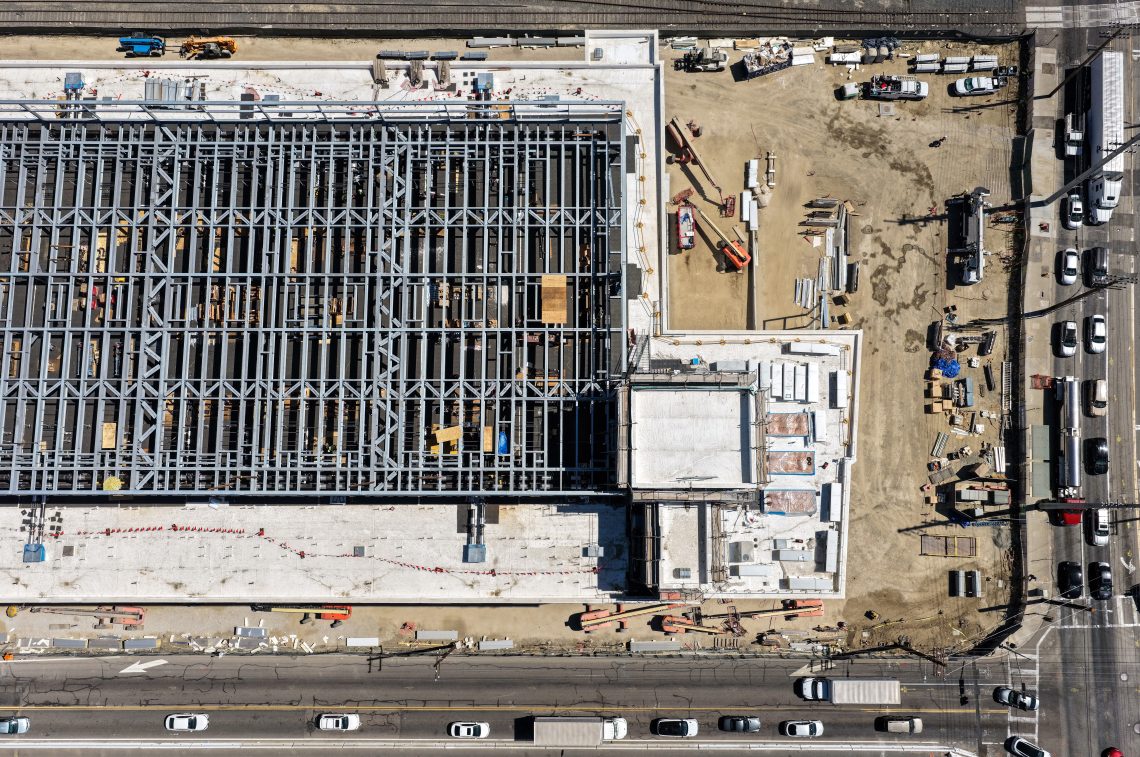
The Massive Expansion of AI Infrastructure
The AI infrastructure debt is rapidly becoming a central concern as the world races to support the booming artificial intelligence sector. Behind every innovative AI application, from advanced chatbots to autonomous vehicles, lies a vast network of data centers, servers, chips, and energy resources. As demand for AI capabilities grows, so does the need for physical infrastructure—an expansion that is increasingly financed by debt, much of which remains hidden from traditional balance sheets.
The Scale of Investment and Emerging Risks
Industry analysts estimate that global spending on AI-related data centers and supporting infrastructure could reach an astonishing $7 trillion by 2030. This monumental investment may be one of the largest peacetime projects in history, but it comes with significant financial risks. Five major hyperscalers—Amazon, Alphabet, Meta, Microsoft, and Oracle—are expected to spend nearly $800 billion in capital expenditures by 2026 and close to $1.1 trillion by 2027. Yet, even these tech giants are increasingly relying on debt to fund their growth, having issued a record $121 billion in debt in 2025 alone.
This rapid borrowing is not confined to major corporations. Many AI start-ups and emerging companies are also accumulating debt, despite limited profitability. For instance, OpenAI, valued at roughly $850 billion, reported an estimated $21 billion in operating losses in 2025. Meanwhile, other industry players are making ambitious infrastructure commitments, betting on continuous revenue growth to justify these investments.
Special Purpose Vehicles and Off-Balance-Sheet Debt
A significant portion of AI infrastructure debt is kept off corporate balance sheets through complex financing arrangements known as special purpose vehicles (SPVs). These entities own the underlying infrastructure assets—such as land, servers, and data centers—while technology companies lease them under long-term contracts. The debt is held within the SPV, not the company, allowing firms to access large sums of capital without impacting their credit ratings or official borrowing capacity.
This approach, while not inherently improper, raises critical questions about the true extent of leverage in the AI sector. As debt accumulates in these shadow structures, it becomes harder to assess the overall financial risk. Critics argue that these arrangements obscure the real level of exposure, potentially setting the stage for broader instability if market conditions shift.
Systemic Risks and the Role of Financial Markets
The proliferation of AI infrastructure debt has far-reaching implications. Banks and institutional investors are increasingly involved in funding these projects, often using syndication and risk transfer tools to distribute exposure. Loans are bundled, repackaged, and sold to a variety of buyers, including hedge funds, pension funds, and insurers. This process diffuses risk throughout the financial system but also makes it more challenging to pinpoint where vulnerabilities truly lie.
If demand for AI infrastructure fails to meet expectations, over-investment could lead to stranded assets and significant losses for investors. The interconnected nature of the sector, with companies investing in each other and supporting mutual growth, adds further complexity. Some observers worry that these circular capital flows create an illusion of endless demand, masking underlying fragility.
Potential Scenarios: Boom, Bust, and State Intervention
Looking ahead, several scenarios could unfold. The most likely is the continued financialization of AI infrastructure, with Wall Street and global asset managers playing a central role in funding and trading compute assets. Recent partnerships between Nvidia and major investment firms signal that AI infrastructure may soon become a mainstream financial asset, spreading risk across international markets.
However, there is also the possibility of an AI bubble. If investments outpace real demand, valuations could fall sharply, and losses could spread through SPVs and into the broader financial system. Given the sheer scale of current commitments, a downturn could have widespread repercussions, potentially triggering a larger financial crisis.
Regardless of market outcomes, governments are likely to intervene. AI is seen as a strategic asset, critical to national competitiveness and security. Initiatives like Washington’s Stargate program, the EU’s AI Invest, and China’s state-backed infrastructure efforts indicate that public support will continue, even if the private sector faces setbacks. Ultimately, the burden of AI infrastructure debt may shift from companies to investors and, eventually, to taxpayers.
Conclusion: The Future of AI Infrastructure Debt
The rapid expansion of the AI sector is underpinned by an unprecedented accumulation of AI infrastructure debt. While this financing enables remarkable technological progress, it also introduces new risks and uncertainties. As the sector evolves, stakeholders must remain vigilant, ensuring that investments are both sustainable and transparent to avoid systemic problems in the future.
This article is inspired by content from Original Source. It has been rephrased for originality. Images are credited to the original source.