

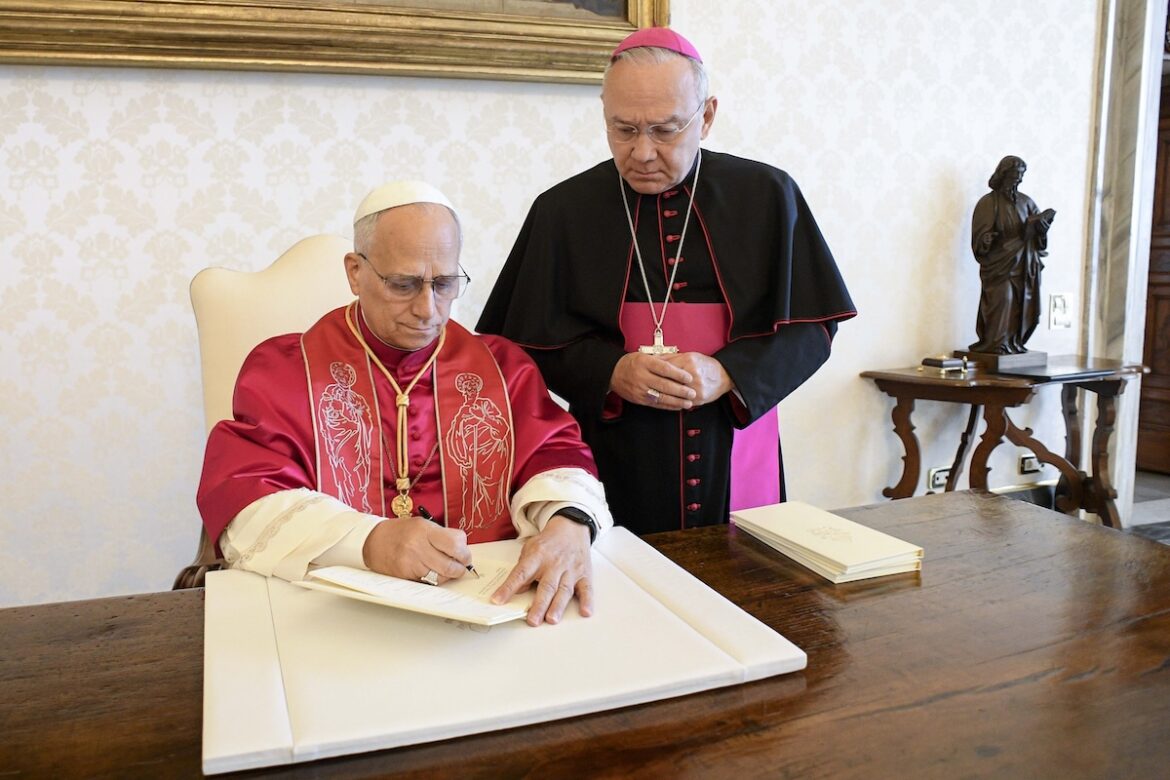
Pope Leo XIV’s Groundbreaking Encyclical on AI
Pope Leo XIV is set to release his highly anticipated first encyclical, “Magnifica Humanitas,” on May 25, focusing on artificial intelligence and its impact on human dignity. The Vatican’s announcement marks a pivotal moment, as global communities eagerly await the Catholic Church’s stance on the rapid advancements in artificial intelligence technology. The focus_keyword for this article, “AI and human dignity,” reflects the encyclical’s core message.
Why Address AI and Human Dignity Now?
The rise of artificial intelligence in recent years has fundamentally transformed society, raising profound ethical, moral, and theological questions. From decision-making algorithms in healthcare to automation in the workforce and intelligent systems guiding public policy, AI’s reach is expanding rapidly. Pope Leo XIV’s encyclical arrives at a time when many are questioning how humanity can retain its intrinsic value and rights in a world increasingly shaped by machines.
According to Vatican officials, the central theme of “Magnifica Humanitas” is the safeguarding of AI and human dignity. The encyclical will reflect on the moral responsibilities of developers, governments, and society, emphasizing that technological progress must never come at the expense of fundamental human rights and values.
What to Expect from “Magnifica Humanitas”
While the full text will not be available until May 25, early insights suggest that Pope Leo XIV will address several key issues, including:
- The ethical use of artificial intelligence in daily life
- The role of technology in promoting or undermining human dignity
- Guidelines for the development and deployment of AI systems
- The importance of global cooperation on ethical standards
The encyclical is expected to reaffirm the Church’s commitment to the dignity of every person, urging Catholics and all people of goodwill to engage with AI in ways that protect and uplift the human spirit. As the first major papal document dedicated to this topic, “Magnifica Humanitas” is poised to become a critical reference point in ongoing debates about AI and human dignity.
A Call for Global Dialogue on AI
Pope Leo XIV’s initiative reflects a growing consensus among religious and secular leaders that ethical considerations must guide technological development. The encyclical’s anticipated release has already sparked conversations among theologians, ethicists, technologists, and policymakers worldwide. Many hope that the Pope’s call to prioritize AI and human dignity will inspire international efforts to create frameworks that respect both innovation and humanity.
Notably, the Vatican has previously convened conferences on artificial intelligence, bringing together experts from multiple disciplines. The encyclical is expected to build on these efforts, offering a comprehensive vision for a future where technology serves the common good, rather than undermining it.
The Catholic Church’s Role in Shaping Ethical AI
The Catholic Church has a long tradition of engaging with emerging technologies, from the printing press to biotechnology. By addressing AI and human dignity in his first encyclical, Pope Leo XIV continues this legacy, signaling the Church’s intent to remain relevant in crucial contemporary debates.
Observers note that the Church’s perspective carries unique weight, given its global reach and moral authority. As societies grapple with issues like algorithmic bias, privacy concerns, and the future of work, the encyclical’s guidance could influence not just Catholics, but also policymakers, corporations, and civil society organizations worldwide.
Looking Forward: The Impact of “Magnifica Humanitas”
With the publication of “Magnifica Humanitas,” the conversation about the intersection of AI and human dignity will enter a new phase. The document is expected to offer practical recommendations for individuals, communities, and institutions navigating the challenges of artificial intelligence. By calling for ethical vigilance and compassion, Pope Leo XIV aims to ensure that technology remains a force for good.
In the coming weeks, theologians and ethicists will analyze the encyclical’s contents, while the faithful and the broader public reflect on its teachings. The hope is that this landmark text will foster greater understanding, cooperation, and a renewed commitment to the dignity of every human being in the age of artificial intelligence.
Ultimately, the focus on AI and human dignity underscores the enduring importance of human values in an ever-evolving technological landscape.
This article is inspired by content from Original Source. It has been rephrased for originality. Images are credited to the original source.