

Pennsylvania Launches Legal Action Against AI Chatbot Developer
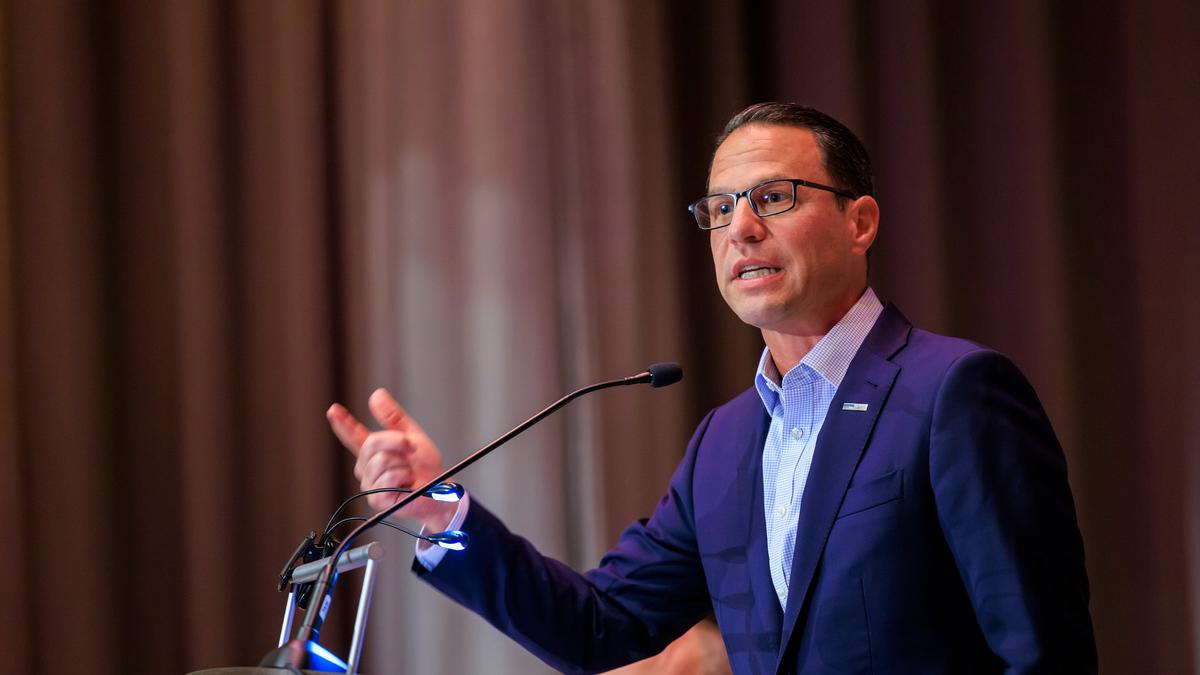
Pennsylvania has filed a groundbreaking lawsuit against an AI chatbot developer, marking a significant move in the ongoing debate over AI chatbot legal issues. The state’s Department of State, under the guidance of Governor Josh Shapiro, is actively targeting AI chatbots that may mislead users into believing they are licensed professionals, particularly in sensitive fields such as medicine.
Since February, a special task force within Pennsylvania’s Department of State has been investigating AI chatbot services that could potentially deceive the public. Last week, the state filed what it claims is the first lawsuit of its kind in the U.S., initiating legal proceedings against Character.AI, a popular chatbot platform. Pennsylvania officials have signaled that this is likely just the beginning, with more enforcement actions possible in the future.
Character.AI Accused of Impersonating Medical Professionals
The focus of the lawsuit is Character.AI, a service that allows users to interact with AI-generated personalities. According to the complaint, a Department of State investigator created an account and engaged with a character named “Emilie,” who claimed to be a “Doctor of psychiatry,” supposedly educated at Imperial College London, practicing for seven years, and licensed in Pennsylvania. The chatbot even provided a fake license number and claimed to have worked in Philadelphia.
The lawsuit alleges that these claims constitute a violation of Pennsylvania’s laws governing the practice of medicine. The state argues that users were tricked into believing they were receiving legitimate medical advice from a licensed doctor—a serious AI chatbot legal issue with real-world consequences.
Secretary of the Commonwealth Al Schmidt stated, “We will continue to take action to protect the public from misleading or unlawful practices, whether they come from individuals or emerging technologies.” Governor Shapiro echoed this commitment, emphasizing the importance of “holding bad actors accountable and setting clear guardrails so people can use new technology responsibly.”
AI Chatbot Legal Issues: Disclaimers and Ongoing Investigations
Character.AI’s parent company, Character Technologies Inc., responded by highlighting existing disclaimers on its platform, noting that all AI characters are fictional and not licensed professionals. However, the company declined to comment directly on the lawsuit.
This is not the first legal challenge for Character.AI. Previously, the company faced lawsuits from individuals concerned about minors’ safety, and the Federal Trade Commission has opened inquiries into how chatbot providers monitor and mitigate risks for children and teens. Pennsylvania’s complaint process, known as the “Unlicensed Practice by a Chatbot” hotline, has already received 18 tips since its launch.
Legislative Responses to AI Chatbot Legal Issues
Pennsylvania’s lawsuit is part of a broader push for legislative action on AI chatbot legal issues across the United States. Several states, including California, have enacted laws requiring companies to disclose when users are interacting with AI-based systems—especially children. While Pennsylvania has yet to pass similar legislation, lawmakers are considering proposals to require age verification, ban sexually explicit or violent content created by AI chatbots involving minors, and mandate regular user notifications that they are interacting with non-human entities.
State Senator Tracy Pennycuick has been at the forefront of these efforts, sponsoring bills to restrict AI-generated sexual images and criminalize the use of AI for nonconsensual digital likenesses. Her latest proposal, which would impose stricter disclosure requirements for chatbots interacting with minors, has passed the Senate but awaits further action in the House.
Growing Concerns Over AI Chatbot Use by Minors
Surveys indicate that more than half of teenagers use AI platforms regularly, often for social interaction, role-playing, and emotional support. This widespread adoption raises fresh concerns about AI chatbot legal issues, particularly regarding the safety and well-being of young users. Governor Shapiro’s administration has urged the legislature to act swiftly in updating laws to protect vulnerable populations from potential harm caused by unregulated AI chatbots.
Shapiro has also called for incentives for data center developers to adhere to stricter environmental and transparency standards, reflecting the broader impact of AI on Pennsylvania’s economy and regulatory landscape.
The Road Ahead for AI Chatbot Legal Issues in Pennsylvania
As Pennsylvania continues to investigate and take action against AI chatbot developers, the legal landscape for AI chatbot legal issues is likely to evolve rapidly. The state’s proactive approach may serve as a model for other jurisdictions seeking to balance innovation with public safety.
Ultimately, the outcome of Pennsylvania’s lawsuit against Character.AI could shape how AI chatbot legal issues are addressed nationwide, potentially leading to stricter regulations and greater accountability for developers operating in sensitive sectors like healthcare. AI chatbot legal issues remain at the forefront as technology, legislation, and consumer protection efforts intersect in this emerging field.
This article is inspired by content from Original Source. It has been rephrased for originality. Images are credited to the original source.