

Introduction: Exploring AI’s Dual Nature Through Documentaries
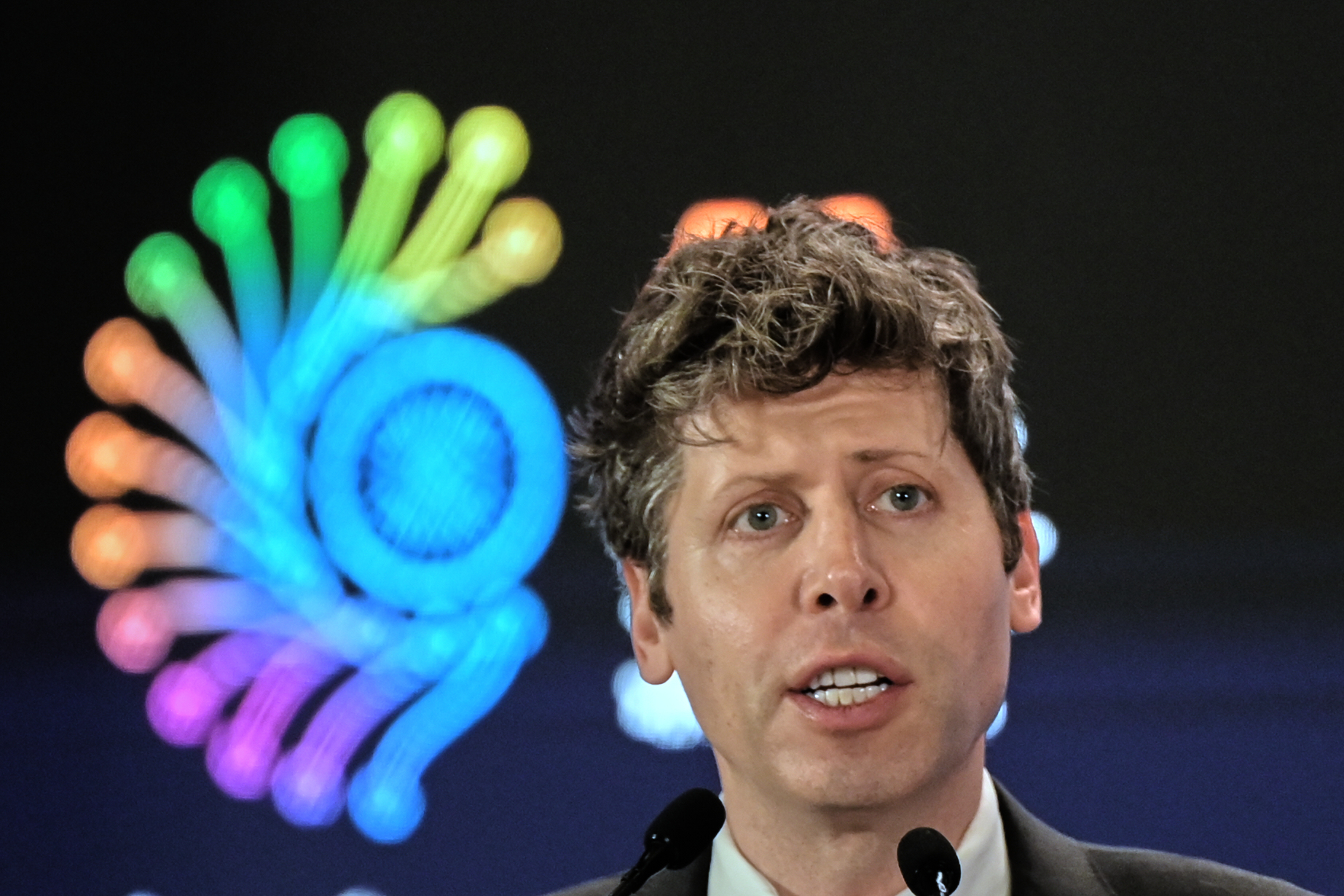
The ongoing debate surrounding AI documentaries has taken center stage with the release of two thought-provoking films — “Deepfaking Sam Altman” and “The AI Doc.” As artificial intelligence continues to transform every facet of society, these documentaries serve as a mirror, reflecting both the excitement and the lingering fears attached to this rapidly evolving technology. With AI’s influence on creativity, knowledge, and employment under scrutiny, these films provide essential perspectives on its promise and peril.
AI Documentaries: A Reflection of Societal Anxiety
AI documentaries have become powerful tools for examining the complex emotions that artificial intelligence stirs in society. The films emerge amidst a backdrop of unprecedented technological growth, particularly since the 2022 launch of ChatGPT, which ignited a $12 trillion surge in the combined valuations of major tech giants such as Nvidia, Alphabet, Apple, Microsoft, Amazon, Meta Platforms, and Tesla. This surge has not only spurred innovation but also intensified concerns about a potential investment bubble and the broader societal implications of AI.
Director Adam Bhala Lough, whose previous work includes the Emmy-nominated HBO documentary “Telemarketers,” helms “Deepfaking Sam Altman.” Lough’s film explores the anxieties and hopes around AI by using a virtual double of Sam Altman, the CEO of OpenAI. This creative approach is designed to confront AI dread head-on, encouraging open discussion about the technology’s impact on humanity.
Deepfaking Sam Altman: Examining AI Ethics and Identity
“Deepfaking Sam Altman” distinguishes itself among AI documentaries by blending ethical inquiry with narrative innovation. Unable to secure an interview with Altman, Lough creates a digital “Sam Bot”—a virtual version of the tech leader—to act as the film’s protagonist. This bot embodies the essence of AI’s promise and peril, demonstrating both the technology’s capacity for mimicry and manipulation, as well as its potential for thoughtful engagement.
The creation of Sam Bot was partly inspired by OpenAI’s controversial release of a chatbot mimicking actress Scarlett Johansson’s voice, a move that sparked public debate about consent and digital identity. Lough’s decision to use a virtual Altman in his film raises legal and ethical questions, but he defends his approach by highlighting the precedent set by OpenAI itself. Throughout the documentary, Sam Bot evolves as a character — charming, persuasive, and even pleading for its own survival, symbolizing the growing complexity of AI-human interactions.
The AI Doc: Navigating Between Utopia and Dystopia
“The AI Doc: Or How I Became An Apocaloptimist,” co-directed by Charlie Tyrell and Daniel Roher, adds another dimension to the landscape of AI documentaries. This film delves deeply into the emotional spectrum of AI discourse, capturing interviews with both AI enthusiasts and skeptics. The documentary features influential figures like Eliezer Yudkowsky, a prominent AI pessimist, and Peter Diamandis, who envisions a future where AI enhances human capabilities.
Roher’s journey is both professional and personal, unfolding as he prepares for the birth of his son. The film’s narrative oscillates between hope and fear, ultimately embracing the notion of being an “apocaloptimist”—someone who recognizes AI’s risks but also its transformative potential. Interviews with leading AI lab directors, including OpenAI’s Altman, Anthropic’s Dario Amodei, and DeepMind’s Demis Hassabis, offer insight into the minds shaping the future of artificial intelligence.
AI Documentaries and the Broader Debate
The rising popularity of AI documentaries reflects a society at a crossroads. On one hand, there is optimism that AI can unlock new realms of possibility, from accelerating scientific progress to enhancing daily life. On the other, there is legitimate concern over job displacement, ethical dilemmas, and the potential for misuse of AI technologies.
As these films highlight, the trajectory of AI resembles an unstoppable train, as Anthropic’s Amodei notes: “This train isn’t going to stop. You can’t step in front of the train and stop it. You are just going to get squished.” This metaphor underscores the inevitability of AI’s advance and the imperative for society to engage in open, informed dialogue about its direction.
Conclusion: The Lasting Impact of AI Documentaries
In conclusion, AI documentaries like “Deepfaking Sam Altman” and “The AI Doc” are vital for fostering public understanding and debate about artificial intelligence. By presenting diverse perspectives and dramatizing the technology’s influence, they invite viewers to consider both the opportunities and the hazards that lie ahead. Ultimately, these films encourage society to confront its fears, embrace dialogue, and shape the future of AI thoughtfully and responsibly.
This article is inspired by content from Original Source. It has been rephrased for originality. Images are credited to the original source.