

AI-Generated Legal Filings Raise Alarms in Oregon Courts
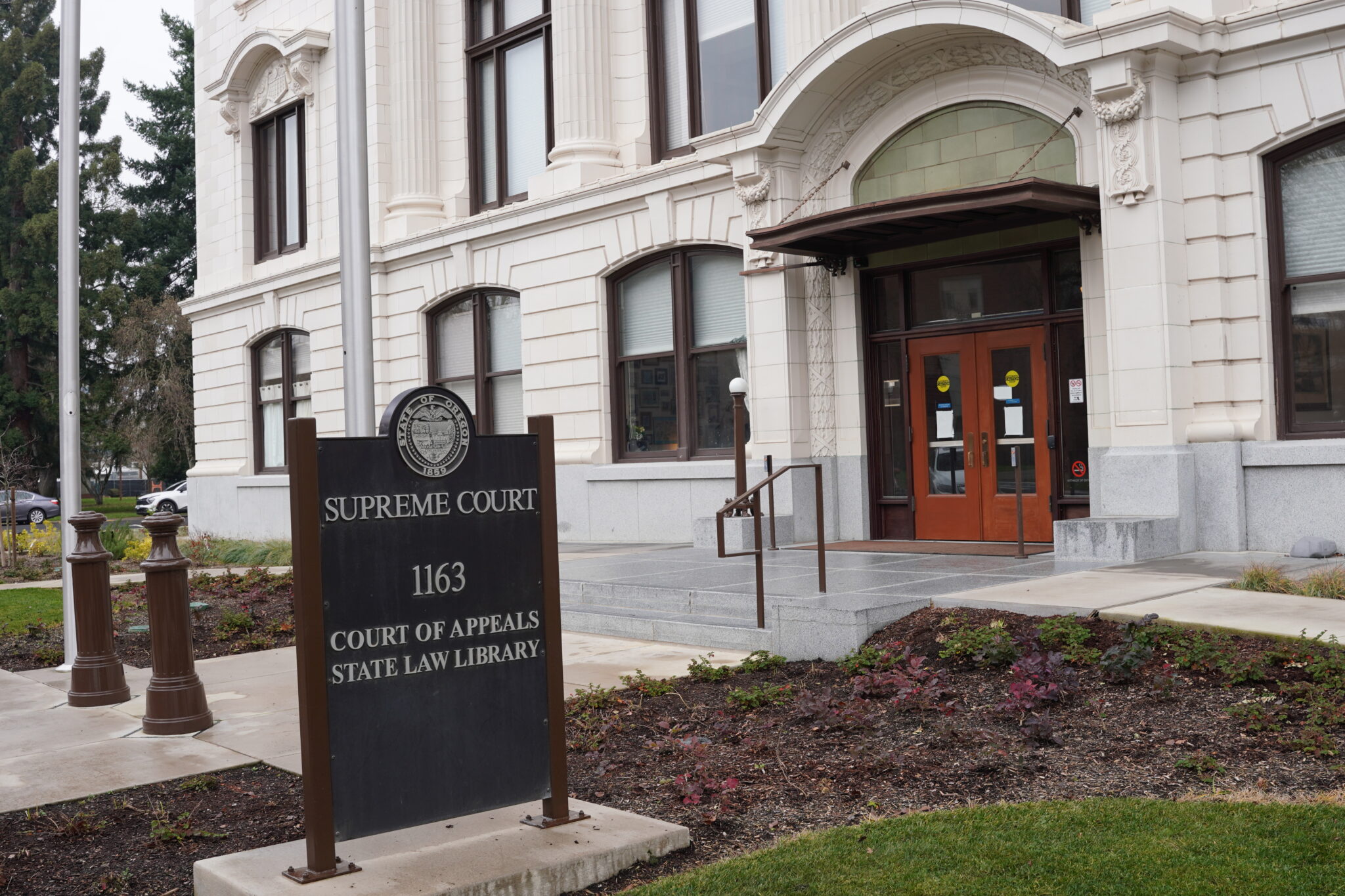
AI-generated court filings have become a growing concern for Oregon’s judicial system, as highlighted by the chief judge of the Oregon Court of Appeals. The use of generative artificial intelligence in preparing legal documents has led to an increase in erroneous and fabricated filings, straining court resources and raising questions about legal ethics and technology’s role in the justice system.
Escalating Issues with Fake Legal Documents
On Wednesday, Chief Judge Erin C. Lagesen issued a public warning about the “rapidly escalating” number of court filings containing false information likely produced through generative AI tools. These submissions are not limited to just one group; both attorneys and self-represented litigants have been found submitting briefs with fabricated content. The Oregon Court of Appeals has already begun tracking the amount of time and resources dedicated to sorting through these AI-generated court filings, aiming to provide transparency to the public about the impact.
Judge Lagesen emphasized the seriousness of the issue in her message, stating, “To get a concrete sense of how much time the submission of fabricated authority likely produced by generative artificial intelligence is syphoning from the Court of Appeals’ core work of deciding cases, I have directed our staff and judges to track the time spent addressing fabricated authority so that Oregonians can have an accounting of the resources consumed.”
High-Profile Cases and Costly Consequences
Several recent cases illustrate the repercussions of submitting AI-generated court filings with erroneous or entirely fabricated information. In March, an attorney was fined $10,000 after the Oregon Court of Appeals found at least 15 fake case citations in a brief related to a revoked marijuana production license. Just last week, another lawyer was ordered to pay about $8,000 for submitting a brief containing fabricated quotations and legal propositions falsely attributed to real cases.
The problem is not confined to state courts. In federal court, U.S. Magistrate Judge Mark D. Clarke recently imposed a $110,000 penalty on two attorneys who filed documents with citations to non-existent cases and fabricated legal arguments. These examples highlight the tangible risks and financial penalties associated with the misuse of generative AI in the legal profession.
Court Guidance and Sanctions on AI Use
The Oregon appeals courts have published guidance outlining the types of false or fabricated information that have appeared in recent filings. This includes citations to cases that do not exist, quotations that aren’t found in the referenced cases, and factual assertions with no basis in the record. The courts are clear: submitting such fabricated evidence is grounds for striking the legal filing, imposing monetary sanctions, requiring attorneys to pay opposing parties’ legal fees, or even dismissing an appeal outright.
To avoid these penalties, anyone utilizing AI technology for legal filings must thoroughly verify all sources, citations, and paraphrased materials. The guidance specifically advises that paraphrases must be “objectively reasonable in light of what the case actually says.” This underscores the importance of human oversight and due diligence when leveraging powerful AI tools in a legal context.
Oregon State Bar’s Position on AI in Legal Practice
Recognizing the proliferation of AI in legal work, the Oregon State Bar issued its own guidance last year. The Bar’s advice is measured: attorneys may use AI technologies, provided they take “reasonable steps to become competent in the use of such technology.” The Bar notes that competence is an ongoing obligation, given the rapid pace of AI development and the constantly evolving risks and benefits associated with new tools. The guidance reinforces that, while AI can assist with research and document drafting, lawyers must always verify the output and ensure its accuracy before presenting it to the court.
Maintaining Trust and Integrity in the Legal System
The rise of AI-generated court filings poses a fundamental challenge to the integrity of the judicial process. Courts are now forced to dedicate additional resources to detect and address fabricated submissions, potentially delaying the resolution of legitimate cases. The Oregon judiciary’s proactive steps—including increased tracking, public warnings, and robust guidance—demonstrate its commitment to safeguarding the legal process from the risks posed by unchecked AI use.
As AI technology continues to evolve, legal professionals must remain vigilant. The responsibility to maintain accuracy, uphold ethical standards, and prevent the misuse of generative AI tools ultimately rests with those who prepare and submit legal documents. By following established guidelines and maintaining rigorous verification processes, the legal community can harness the benefits of AI while minimizing its risks.
Conclusion: Navigating the Future of AI in Law
With the number of AI-generated court filings on the rise, Oregon’s courts are taking significant steps to address the challenges posed by this technology. Through careful oversight, clear guidance, and ongoing education, the legal system aims to protect the fairness and reliability of judicial proceedings in the face of rapid technological change.
This article is inspired by content from Original Source. It has been rephrased for originality. Images are credited to the original source.