

AI Health Advice on the Rise Among Americans
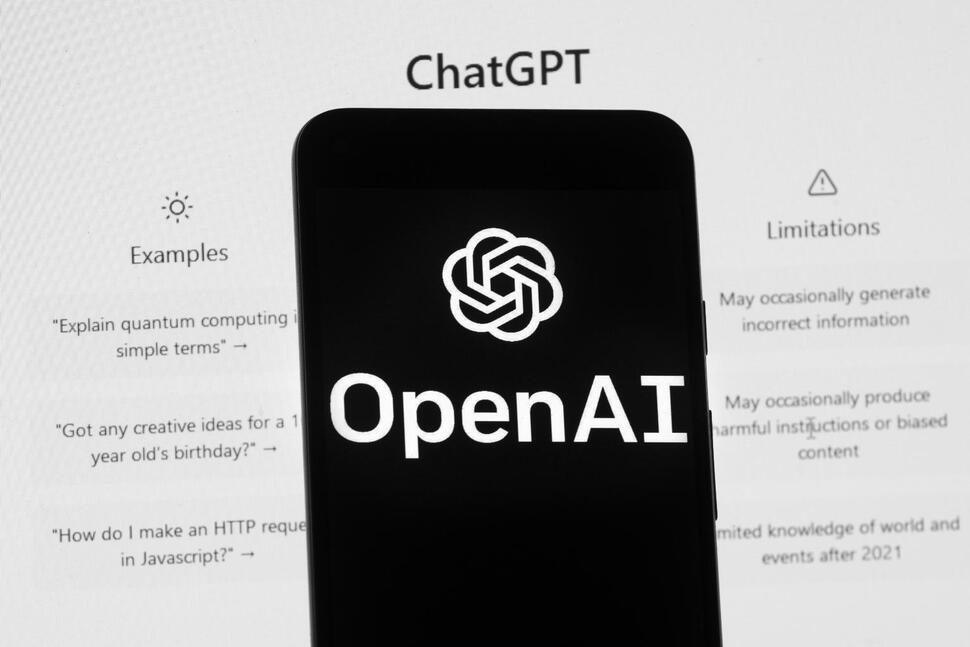
AI health advice is becoming a go-to source for many Americans seeking quick answers and information about their medical concerns. According to recent polls, including a Gallup survey conducted in late 2025, approximately one-quarter of U.S. adults have turned to AI tools—such as ChatGPT—for health information or advice within the past 30 days. This shift highlights a growing reliance on digital solutions for personal healthcare needs.
Why People Are Choosing AI Over Traditional Healthcare
For many, the convenience of AI health advice is a primary motivator. Tiffany Davis from Mesquite, Texas, shares that she uses ChatGPT to understand symptoms she experiences from her weight-loss injections, preferring immediate responses over scheduling a doctor’s appointment. This sentiment is echoed in the Gallup poll, where about 70% of AI health tool users cited the need for quick answers, additional details, or simple curiosity as reasons for consulting AI platforms.
Many respondents also reported using AI health advice to decide whether an issue required professional medical attention. Rakesia Wilson, an assistant principal in Alabama, explained that she often consults chatbots like ChatGPT and Microsoft Copilot to interpret lab results or determine if a doctor’s visit is necessary, especially when time is limited.
Bridging Gaps in Healthcare Access
Recent studies suggest that AI health advice is particularly valuable for younger adults and those with lower incomes—groups that may face financial or logistical barriers to traditional healthcare. While 80% of adults in a KFF poll reported consulting a healthcare professional for information in the past year, only about 30% said they turned to AI tools for the same purpose. Still, for some, AI chatbots provide vital support when seeing a doctor is too costly, inconvenient, or time-consuming.
About 40% of participants in the Gallup survey sought AI health advice outside normal business hours, and nearly 30% used it to avoid paying for a doctor’s visit. Others mentioned a lack of time, previous negative experiences with healthcare providers, or embarrassment as factors that made AI a preferable option.
Trust and Concerns with AI Health Advice
Despite its growing use, trust in AI health advice remains divided. The Gallup poll revealed that only about one-third of recent AI users said they “strongly” or “somewhat” trust the accuracy of information provided by AI tools. A nearly equal share expressed distrust, while another third remained neutral. Medical professionals, like Dr. Bobby Mukkamala of the American Medical Association, urge patients to view AI as a research assistant rather than an expert, emphasizing the importance of involving physicians in medical decisions.
Privacy is another major concern for Americans using AI health advice platforms. A KFF survey found that three-quarters of U.S. adults are worried about the privacy of medical data shared with AI tools. While many platforms offer privacy controls, these require user awareness and vigilance. Notably, there have been instances where private conversations with AI chatbots were inadvertently exposed online, underscoring the need for caution.
The Future of AI in Healthcare Information
As AI health advice becomes more common, its role in supplementing traditional healthcare is likely to expand. However, experts agree that while AI can help users ask more informed questions and better understand their health, it should not replace professional medical care. For individuals like Tamara Ruppart of Los Angeles, the risk of inaccurate information means she still prefers personal consultations with trusted doctors—especially given her family history of breast cancer.
Ultimately, AI health advice offers Americans a valuable tool for gaining quick insights and bridging care gaps. Yet, it is crucial to balance its benefits with a healthy skepticism and a commitment to safeguarding personal information.
This article is inspired by content from Original Source. It has been rephrased for originality. Images are credited to the original source.