

AI Opens Doors for Aspiring Filmmakers
AI in filmmaking is transforming the creative landscape, offering young and emerging filmmakers new hope and unprecedented opportunities. At the prestigious University of Southern California’s film school, where talents like Oscar-nominated director Ryan Coogler once studied, students such as SiJia Zheng are harnessing artificial intelligence to push the boundaries of storytelling and visual effects. For many, winning an Academy Award may seem like a distant dream, but AI technology is creating new pathways to success.
Innovative Techniques Using AI
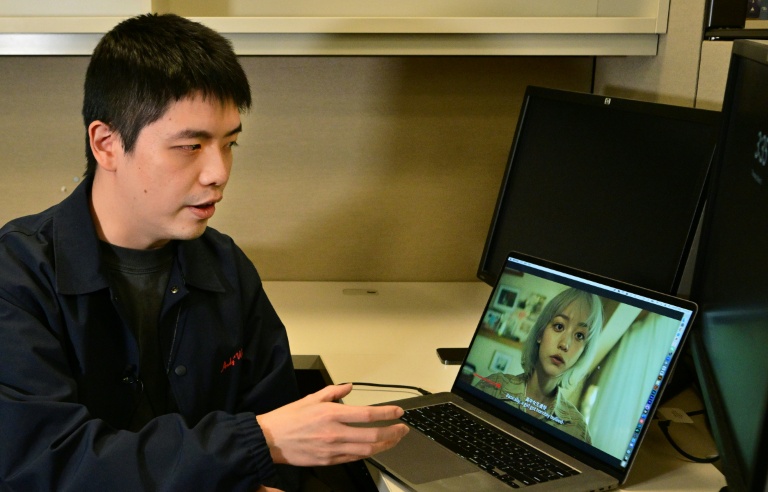
SiJia Zheng, a Chinese student at USC, recently created waves with his short film ‘Torment.’ Leveraging AI-powered software, Zheng was able to digitally modify his own face to portray multiple characters throughout the film. This innovative use of AI in filmmaking not only saved time and resources but also allowed Zheng to explore creative avenues that would have been nearly impossible with a limited budget and crew. The technology empowered him to experiment with storytelling and character development in unique ways.
“With AI, I can expand my vision far beyond what traditional tools might allow,” Zheng explains. “It lets me focus on the narrative, rather than worrying about the logistical hurdles that often come with low-budget productions.” For many young filmmakers, this democratizing effect is crucial, enabling them to compete on a larger stage and potentially catch the eye of award committees.
Breaking Down Barriers in the Film Industry
The film industry has historically been dominated by those with access to extensive resources, large crews, and high-end equipment. For up-and-coming creatives, these barriers can be daunting. However, AI in filmmaking is beginning to level the playing field. By automating complex editing tasks, enabling realistic visual effects, and providing powerful tools for scriptwriting and storyboarding, AI allows even solo creators to produce professional-quality content.
Not only does AI reduce production costs, but it also empowers filmmakers to realize their artistic visions without compromise. For students like Zheng, the ability to play every character in a film without hiring multiple actors or investing in expensive makeup and prosthetics means more creative freedom and experimentation. This could lead to more diverse and original stories making their way to film festivals and, possibly, the Oscars.
The Role of AI in Expanding Diversity and Inclusion
One of the most significant impacts of AI in filmmaking is its potential to foster greater diversity and inclusion. By lowering financial and technical barriers, AI enables storytellers from a variety of backgrounds to share their unique perspectives. Filmmakers who may not have access to Hollywood’s elite circles are now able to produce and distribute their work globally, thanks to digital platforms and AI-driven editing and marketing tools.
This democratization could result in a more varied and representative film landscape, where fresh voices and innovative narratives are celebrated. As more young filmmakers like Zheng embrace AI, the industry is likely to see a surge in original content that reflects a broader range of experiences and cultures.
Looking Toward the Future of Filmmaking
The embrace of AI in filmmaking is only just beginning. Film schools across the world are now incorporating AI technology into their curricula, preparing the next generation of directors, writers, and editors for a rapidly evolving industry. As students experiment with these tools, they are discovering new ways to enhance their storytelling and compete for prestigious honors like the Academy Awards.
While traditional filmmaking skills remain invaluable, the integration of AI offers young creatives additional avenues to express themselves and overcome the many hurdles that have historically limited access to high-level production. For Zheng and countless other students, the dream of holding an Oscar is now more attainable than ever before.
Conclusion: AI as a Catalyst for Creativity
In summary, AI in filmmaking is revolutionizing the industry by empowering young filmmakers with tools that enhance creativity and accessibility. The journey of SiJia Zheng at USC is a testament to how technology is making the Academy Awards dream more reachable for emerging talent. As AI continues to evolve, it will undoubtedly inspire a new generation of storytellers ready to make their mark on the world’s stage.
This article is inspired by content from Original Source. It has been rephrased for originality. Images are credited to the original source.