

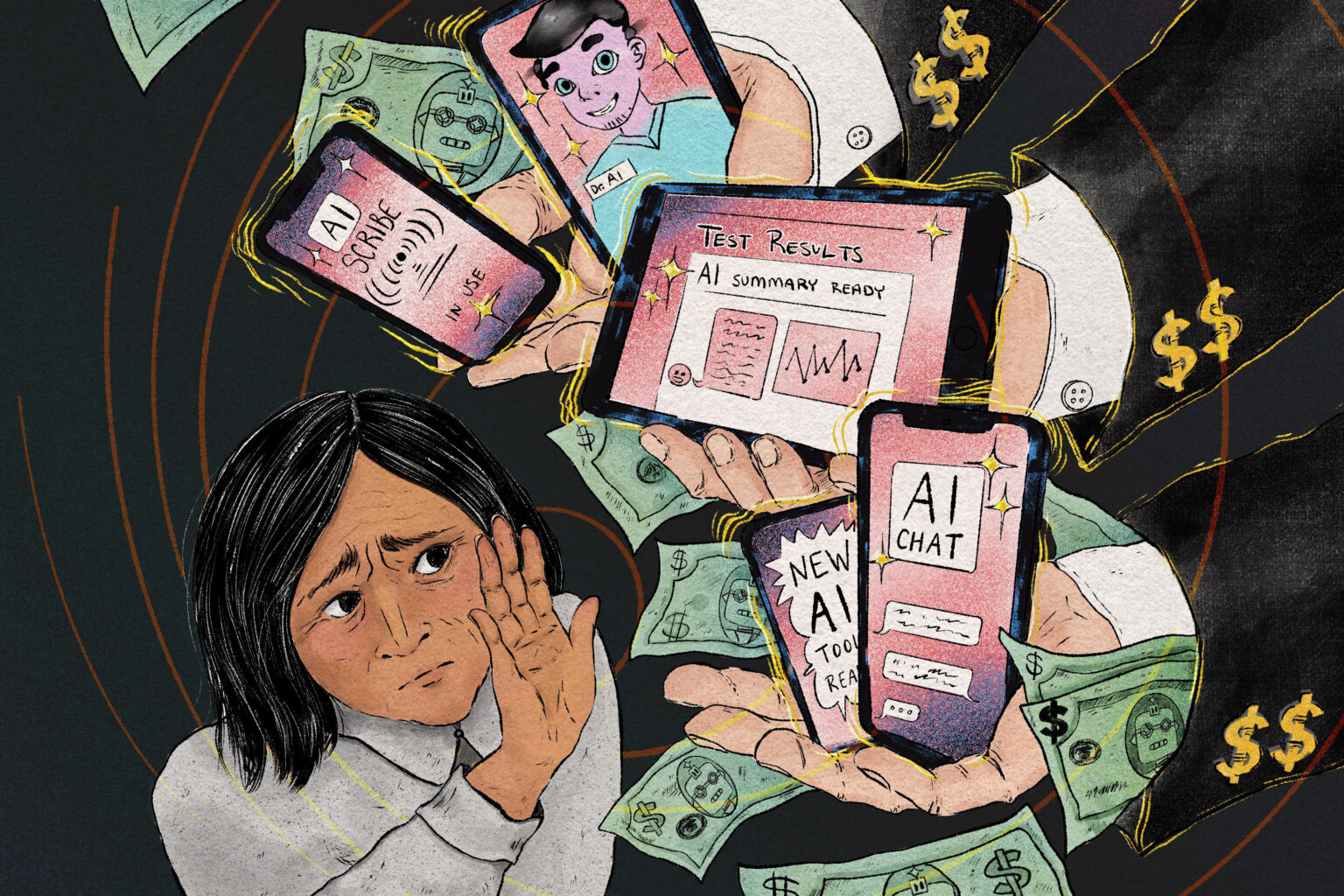
AI in Rural Healthcare: Promise and Skepticism
AI in rural healthcare is being touted as a revolutionary solution to longstanding challenges faced by remote communities. Top health officials, including Health Secretary Robert F. Kennedy Jr. and Mehmet Oz of the Centers for Medicare & Medicaid Services, have championed the potential of artificial intelligence to deliver concierge care and connect patients with mental health services. With the $50 billion Rural Health Transformation Program, many states have begun investing in AI tools to address provider shortages and improve care.
Despite this push, rural Americans remain divided about embracing AI for their medical needs. Interviews in Hot Springs, South Dakota, reveal concerns about errors and the loss of human touch. Tara Haffner, a local resident, expressed unease, stating, “I get artificial intelligence for certain things, but for personal healthcare — no.” She worries that AI might make mistakes, preferring healthcare decisions to remain between her and her doctor.
How AI Is Being Used in Rural Settings
While skepticism persists, some healthcare professionals see benefits. Phillip Mues, technology lead at Cherry County Hospital in rural Nebraska, believes AI in rural healthcare can reduce clinician burnout and streamline operations. “It won’t replace people, but I think it will help in rural communities,” Mues noted. AI scribes, for example, are already being used to transcribe appointments, freeing up clinicians to focus on patient care and reduce stress.
States are exploring a range of AI applications, from automating administrative tasks like charting and coding to tools that assist with diagnosis and treatment recommendations. Mississippi is piloting predictive algorithms to guide emergency medics, while states like North Dakota and New Hampshire are using AI to detect chronic diseases and adverse drug events. Wearables and chatbots are also being considered to provide real-time data and personalized health coaching.
Evidence and Implementation Challenges
Despite the enthusiasm, evidence supporting the effectiveness of AI in rural healthcare is limited. A Stanford- and Harvard-led ARISE report points out that most AI tools are evaluated in controlled environments, not real-world rural settings. Only 26 peer-reviewed studies on AI in rural healthcare have been published since 2010, and few address actual implementation or patient outcomes.
Implementation hurdles are significant. Rural facilities often lack the necessary hardware, IT staff, and high-speed internet needed to support advanced AI systems. Clinicians, already stretched thin, may not have the time or resources for training. Qian Huang of East Tennessee State University emphasizes that technology tested in urban hospitals may not translate well to rural environments, where patient needs and obstacles can be vastly different.
Patients also express concerns about privacy, trust, and usability. Stephanie Keller, a Hot Springs resident, wears a fitness smartwatch but resists the idea of AI chatbots monitoring her health data. “I don’t have the time to chat with AI every day. … I don’t want to spend my time on a cellphone,” she explained.
State Strategies for AI Adoption and Accountability
To mitigate risks, some states are creating advisory groups to help rural facilities select, implement, and monitor AI solutions. These groups provide training, technical support, and sometimes funding to offset upfront costs. However, federal oversight remains limited; the Centers for Medicare & Medicaid Services currently lack specific AI reporting requirements, though general outcome forms are in development.
States like Connecticut, Texas, and Wisconsin are starting to require concrete reporting on AI outcomes — such as accurate alerts, cost savings, and productivity improvements. Yet, many state programs still track only basic adoption metrics, not the impact on patient health or clinical efficiency.
Experts stress the need for transparency and sharing of results. As Huang points out, “We do not have a lot of resources to waste on tools that don’t work in rural areas.” The ultimate test for AI in rural healthcare will be whether these tools can genuinely improve access, quality, and patient trust in settings where resources are scarce and relationships matter.
Looking Ahead: The Path Forward for AI in Rural Healthcare
AI in rural healthcare represents both a significant opportunity and a complex challenge. While technology may help automate tasks and support overburdened clinicians, its success will depend on careful implementation, reliable internet infrastructure, and, above all, trust from rural communities. As more states invest in AI, ongoing evaluation and accountability will be crucial to ensure these innovations truly make a difference.
This article is inspired by content from Original Source. It has been rephrased for originality. Images are credited to the original source.