

The Impact of AI Surrogate Models on Aerospace Engineering
AI surrogate models are revolutionizing the aerospace industry by delivering unprecedented acceleration in engineering workflows. No longer a distant vision, artificial intelligence is now at the core of design and manufacturing processes, driving efficiency and innovation across the sector.
Key Insights from the AIAA SciTech Forum 2026
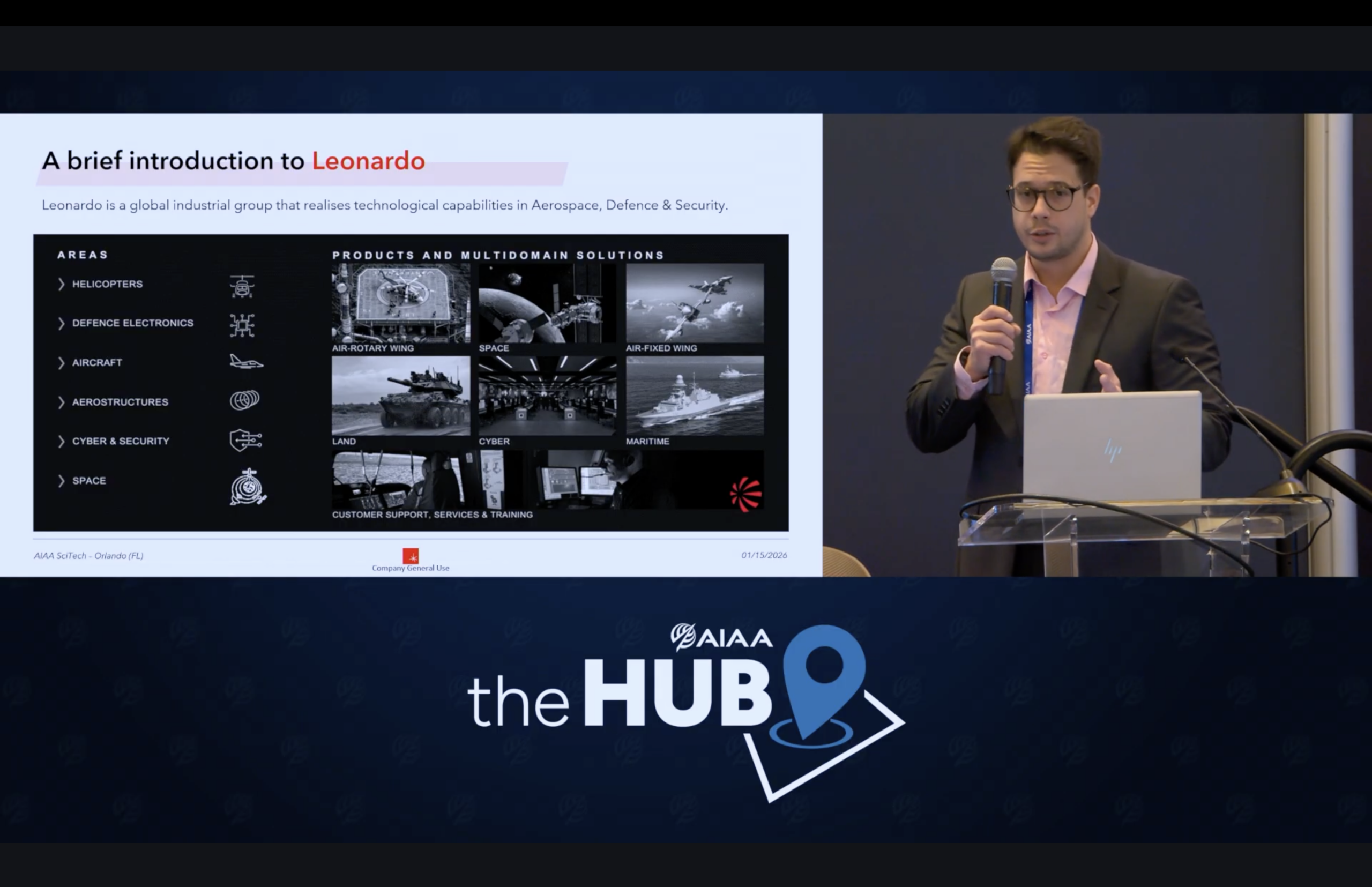
At the recent AIAA SciTech Forum 2026 in Orlando, leading experts shared their experiences integrating AI surrogate models into aerospace engineering. Neil Ashton (Distinguished Engineer and Product Architect at NVIDIA), Thanos Margaritis (Commercial Director at Neural Concept), and Nicolò Vallana (Rotorcraft Technologies Specialist at Leonardo Helicopters) highlighted how these models are already making a measurable impact on critical workflows.
Real-World Applications Transforming Aerospace
Leonardo Helicopters provided compelling examples of how AI surrogate models have replaced traditional, time-intensive physics simulations in various engineering domains:
- Aeroacoustics: Using geometric deep learning, AI predicts ground-level noise with remarkable speed, delivering results up to 540 times faster than conventional computational fluid dynamics (CFD). This rapid analysis supports immediate compliance checks with noise regulations, a process that previously took hours or days.
- Manufacturing: In the casting of aluminum parts, AI models can instantly predict porosity and solidification times—tasks that once demanded 24-hour CFD simulations. The result is a significant reduction in defect rates and a boost in production efficiency.
- Air Duct Design: To prevent cockpit fogging, a closed-loop system leverages a CFD surrogate model to rapidly evaluate design iterations. Engineers can quickly explore alternatives and validate final designs with high-fidelity simulations only at the end, saving considerable time and resources.
Customization and Data Scarcity: Unique Aerospace Challenges
The panelists emphasized that the effectiveness of AI surrogate models hinges on customization. Unlike generic models, aerospace applications require lightweight, problem-specific AI architectures tailored to the unique physics of each engineering problem. There is no universal solution; each scenario demands a dedicated approach.
Another challenge in aerospace is data scarcity. Unlike fields with abundant open data, aerospace engineering often relies on proprietary datasets, sometimes comprising as few as 20 simulations. This limitation makes techniques such as sensitivity analysis and data augmentation critical to extract maximum value from limited information.
The Regulatory Landscape and Future Outlook
While AI surrogate models are gaining traction in the design and engineering phases, their adoption in operational roles—such as flight control—remains limited due to stringent regulatory requirements. The European Union is expected to release certification guidelines for AI use in aerospace operations by 2027, paving the way for broader application of these technologies.
Looking to the future, experts foresee the rise of hybrid models that combine surrogates for fluids, structures, and acoustics. This approach will enable rapid multi-physics simulations, empowering engineers to solve complex problems across multiple domains in a fraction of the time previously required.
AI as an Accelerator, Not a Replacement
One of the most significant takeaways from the discussion is that AI surrogate models are not intended to replace traditional physics-based simulations altogether. Instead, they serve as powerful accelerators, transforming days of computation into minutes. This allows aerospace companies to innovate faster, iterate more efficiently, and bring safer, better-performing products to market sooner.
Conclusion: The Future of Aerospace Engineering with AI Surrogate Models
The integration of AI surrogate models into aerospace engineering is fundamentally changing how the industry approaches design, testing, and manufacturing. With continued advances in customization, data handling, and regulatory compliance, the transformative potential of these models is only beginning to unfold. As AI surrogate models continue to evolve, they will play a central role in shaping the next generation of aerospace technology and innovation.
This article is inspired by content from Original Source. It has been rephrased for originality. Images are credited to the original source.