

The Need for a Truly Global AI Debate
AI policy discussions are at a crossroads. As the world stands on the brink of an artificial intelligence-driven economic revolution, the scope and inclusivity of these conversations are more critical than ever. Recently, over 200 leading economists and AI researchers, including 16 Nobel laureates, signed an urgent open letter via the Stanford Digital Economy Lab. Their message was clear: artificial intelligence could fuel an economic shift surpassing even the Industrial Revolution, unfolding at unprecedented speed. They called for immediate, coordinated action to build institutions that can responsibly steer this transformation.
However, a closer look at the signatories reveals a concerning gap. The vast majority hailed from the United States, Canada, and Europe—while not a single expert from China was among them. This glaring omission raises serious questions about the true global nature of AI policy discourse.
China’s Role in Frontier AI Model Development
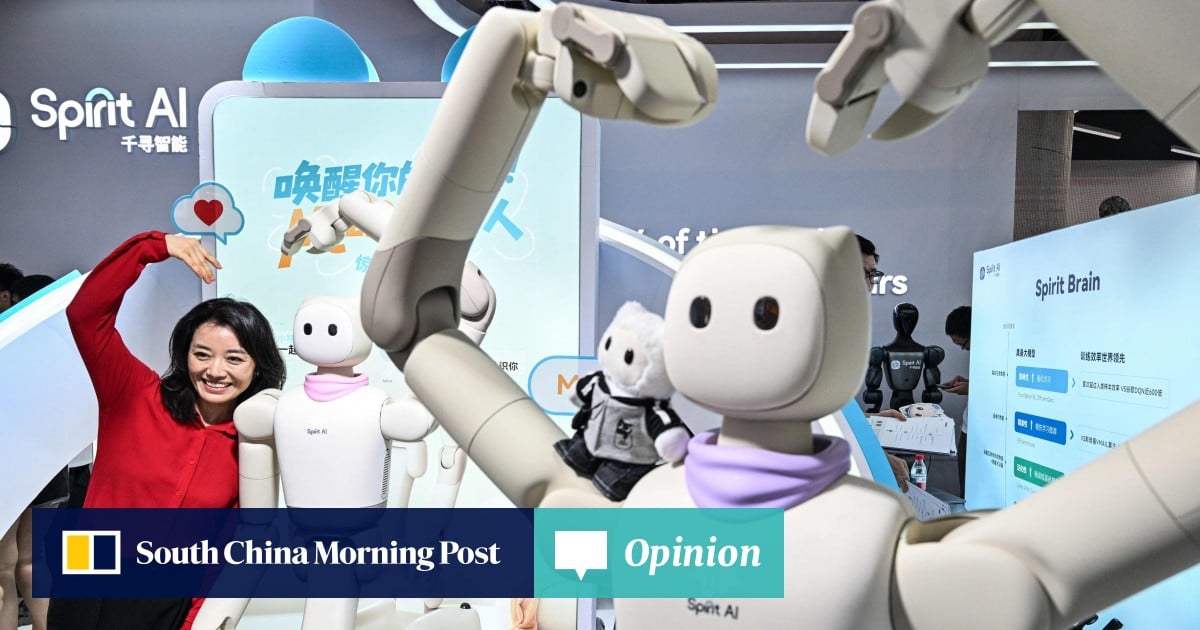
China has rapidly become a powerhouse in AI development, responsible for nearly half of all frontier AI model innovation. Its rate of AI adoption now outpaces much of the West, with unique approaches and outcomes. To frame global AI policy without considering China’s experience is akin to analyzing the Industrial Revolution without acknowledging the nation with the most factories. The consequences of such an oversight are profound, as China’s tech sphere is not only vast but also distinct in its strategies and scale.
The Two-Tiered Information Gap
Why was China absent from such a pivotal letter? The answer is twofold. First, there’s a direct informational divide in the AI field itself. Many Western businesses are already integrating Chinese AI models into their operations. Companies like DoorDash, Siemens, and Airbnb have adopted models from Chinese innovators such as DeepSeek, Z.ai (Zhipu AI), and Moonshot AI—sometimes favoring them over American alternatives. For enterprises and governments focused on cost-efficiency, open-weight models that run economically on local hardware are attractive, and these are increasingly being supplied by Chinese developers.
The launch of Moonshot AI’s Kimi K3, the world’s largest open-source AI model with 2.8 trillion parameters, has further shifted the landscape. Kimi K3 is now matching leading US models on key industry benchmarks, accelerating the trend toward Chinese large language models. Investors quickly recognized this shift: US chip stocks dipped in response to news of Kimi K3’s capabilities.
Implications for AI Policy and Innovation
The second layer of the information gap is cultural and political. While no deliberate exclusion occurred in the Stanford letter, the lack of Chinese voices underscores broader challenges in engaging China in global AI policy. This absence does not reflect a lack of expertise or relevance—rather, it highlights barriers that must be overcome to ensure a truly inclusive global approach to AI policy discussions.
It’s clear that any robust debate about the future of artificial intelligence must actively involve China. The nation’s unique regulatory environment, massive investment in AI infrastructure, and rapid model deployment mean that the results and lessons emerging from China differ significantly from Western experiences. As the world’s economies and societies become ever more intertwined through AI, failing to include China’s perspective risks creating policies and institutions that are fundamentally incomplete and potentially ineffective.
Bridging the Divide for Responsible AI Governance
For policymakers, industry leaders, and researchers, the message is clear: global cooperation in AI policy is not just desirable—it is essential. Engaging China in these vital discussions will not only bring diverse insights but also foster the creation of standards and norms with real global legitimacy and impact. As AI systems become deeply embedded in all aspects of life, from business operations to social governance, the stakes have never been higher.
In conclusion, the focus on AI policy discussions must shift toward genuine global participation. Only by including all major players, especially China, can the world hope to responsibly guide the AI revolution for the benefit of all. The future of AI—and the transformations it will bring—depends on bridging these gaps and fostering true international collaboration.
This article is inspired by content from Original Source. It has been rephrased for originality. Images are credited to the original source.