

Chinese Open-Source AI Models Make Waves in the US Market
Chinese open-source AI models are rapidly making their mark in the United States, providing cost-effective and intelligent alternatives to existing American solutions. As more US companies and developers seek affordable and high-performing AI tools, China’s technological advancements are beginning to reshape the competitive landscape.
US Tech Leaders Turn to Chinese AI Solutions
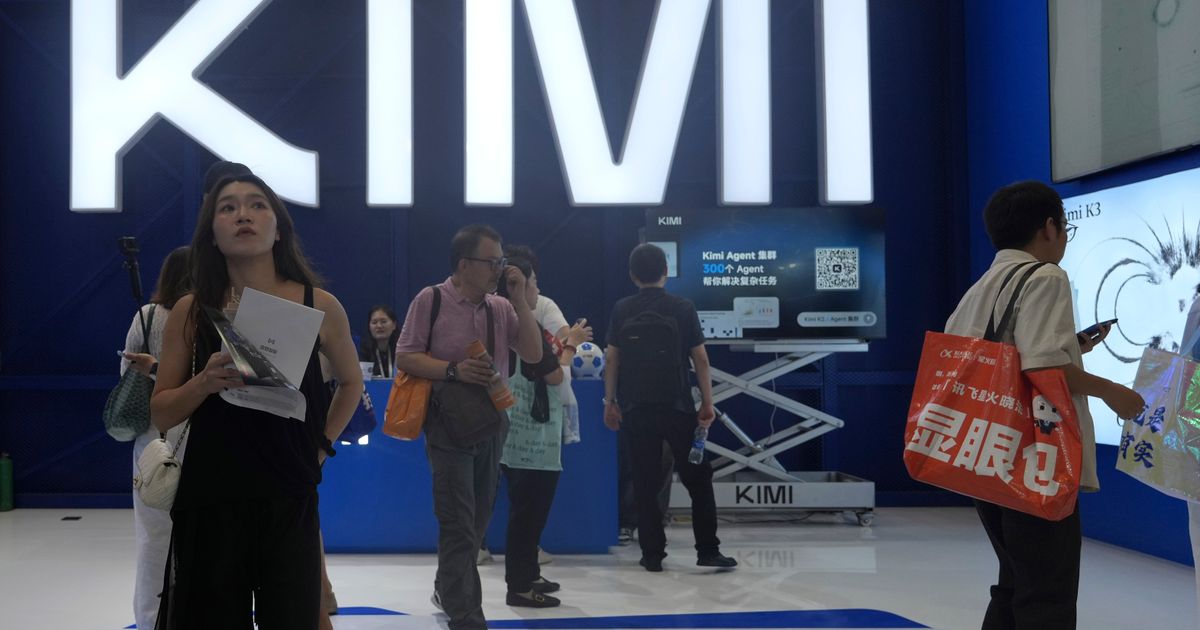
One notable shift is happening among prominent US technology leaders. For instance, Raffi Krikorian, Chief Technology Officer at Mozilla, recently transitioned to using Chinese AI startup Moonshot’s Kimi K3 model for his daily workflow. Krikorian found Kimi K3 to be faster and more efficient than the more expensive Claude Fable chatbot from Anthropic, a well-known San Francisco firm. Previously, he relied on Z.ai’s GLM-5.2, another high-performing Chinese AI model, for managing routine tasks such as calendars, documents, and emails.
Krikorian is not alone. An increasing number of Americans are adopting Chinese open-source AI models for their affordability and efficiency. US companies like Coinbase, a leading cryptocurrency exchange, have reported switching to these Chinese models to cut operational costs.
Affordability and Performance Drive Adoption
The competitive advantage of Chinese open-source AI models largely lies in their pricing and their ability to deliver “good enough” performance for most users. Unlike premium American models, which can be costly, Chinese alternatives offer comparable intelligence at a fraction of the price. Curt Meinhold, a technology executive from North Carolina, shared that he prefers DeepSeek’s models for business tasks like generating sales leads, emphasizing that most users don’t require the highest-end solutions from companies like Anthropic.
Goldman Sachs recently highlighted that Chinese AI models have reached a critical stage for widespread adoption, especially as the demand for autonomous AI agents grows. These agents, capable of carrying out complex, multistep tasks, are driving the need for affordable models that can handle large volumes of data without breaking the bank.
Leading Chinese AI Models and Their Limitations
Moonshot’s Kimi K3 has quickly become a standout, topping the popularity charts on platforms like OpenRouter, which tracks AI model usage. According to Sensor Tower, the Kimi K3 model saw more than 930,000 downloads in the week following its July release—a staggering 200% increase from the previous week, with US downloads surging by 387%. The demand was so intense that Moonshot had to temporarily pause new subscriptions to cope with the influx.
Despite their growing influence, Chinese open-source AI models still lag behind American leaders in some overall capabilities. Experts like Anastasios Angelopoulos, CEO of Arena, point out that while Chinese models are closing the gap in performance, US models retain advantages in certain advanced functions. Nevertheless, many US firms are now seeking cost-effective alternatives to reduce their AI expenses.
The Impact of US Policy and Open-Source Movement
Most Chinese open-source AI models are freely available for examination and development, contrasting with the closed-source approach of frontier US models from companies like OpenAI and Anthropic. This openness is helping Chinese vendors promote their technologies globally. Lian Jye Su, an analyst at Omdia, notes that as Chinese open-source models approach the quality of closed US systems, “the open frontier is becoming increasingly Chinese-built.”
US policies may inadvertently be fueling the rise of Chinese models. For example, Z.ai launched its GLM-5.2 model shortly after US authorities restricted exports of Anthropic’s top AI models, leaving a gap that Chinese competitors quickly filled. This dynamic is creating opportunities for Chinese firms to expand their presence in the US and other markets.
China’s Push for Global AI Dominance
Within China, both consumers and businesses are embracing AI at an unprecedented pace, boosted by strong state support. Major tech companies like Huawei and Tencent are integrating AI into devices ranging from smartphones to humanoid robots. At a recent technology summit in Shanghai, Chinese President Xi Jinping advocated for open-source AI models and emphasized China’s commitment to promoting global equity in AI capabilities, especially in developing nations.
Chinese AI startups are also raising significant capital to support global expansion, even as they face challenges related to profitability and sustainability. For instance, Z.ai reported a 132% increase in revenue last year, but also saw its net loss rise by 60%. Despite these hurdles, the momentum behind Chinese open-source AI models shows no signs of slowing down.
The Future of Chinese AI Models in the US and Beyond
As Chinese open-source AI models continue to evolve, their presence in the US and global markets is likely to grow. Both US and Chinese tech ecosystems are vying to encourage the adoption of their AI platforms while safeguarding technologies that could strengthen strategic rivals. For businesses and developers seeking efficient, cost-effective AI solutions, the rise of Chinese models presents new opportunities and challenges.
“I would highly recommend anyone doing any serious AI load to at least evaluate it,” Krikorian advised, highlighting the growing appeal of these innovative models.
This article is inspired by content from Original Source. It has been rephrased for originality. Images are credited to the original source.