

The True Cost of Artificial Intelligence Expansion
Artificial intelligence (AI) is often portrayed in media and pop culture as either a dystopian threat or a utopian solution. From Terminator to Star Trek, these visions shape public perception. But the reality of AI’s impact, particularly in the economic and social spheres, is more grounded in historical precedent than futuristic fantasy.
Throughout history, technological revolutions have served as tools for the concentration of wealth among a small elite. AI appears to be following the same trajectory. While it promises efficiency and innovation, it also risks reinforcing existing inequalities and creating new economic divides.
Data Centers: The Physical Heart of AI
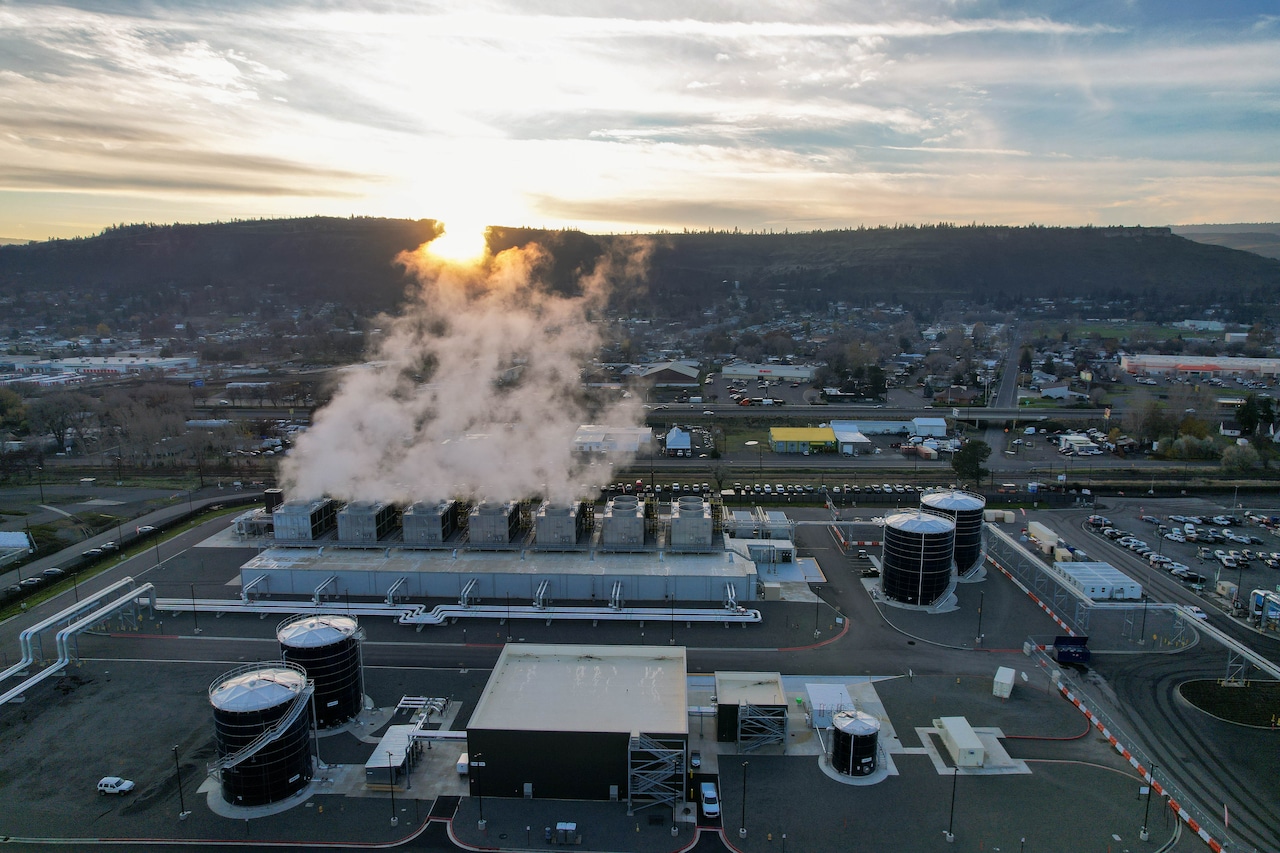
AI does not operate in a vacuum. It requires immense physical infrastructure—primarily data centers. These facilities are being rapidly developed across regions like northern Ohio and other parts of the U.S. Politicians and business leaders often tout these projects as engines of economic growth. However, the reality is more complex.
Though construction of data centers temporarily boosts employment, these jobs are short-term. Once operational, data centers run with minimal staff, often under “lights out” conditions where few human workers are needed. Meanwhile, valuable farmland is being rezoned for industrial use, often with generous tax breaks that prioritize corporate interests over community needs.
Strain on Local Resources
The placement of data centers significantly burdens local utilities. These facilities consume vast amounts of electricity and water, often competing directly with residential needs. In areas surrounding data centers, residents have reported decreased water pressure due to the cooling requirements of server farms. Local water treatment systems are also being overtaxed, contributing to infrastructure degradation.
Ohio, for example, already struggles with utility blackouts due to aging infrastructure. The addition of massive energy consumers like data centers is expected to increase electricity rates and reduce service quality, disproportionately affecting everyday residents.
The Corporate Shift Away From Labor
Perhaps the most troubling aspect of AI’s rise is its impact on employment. According to the World Economic Forum, 41% of employers plan to use AI to reduce their workforce. This trend is not limited to low-skill jobs; even middle managers are being advised to seek alternative careers.
On a recent episode of Katy Tur Reports, entrepreneur and investor Robert Herjavec stated that middle managers should consider becoming business owners and leveraging AI tools themselves. This viewpoint places the burden of economic adaptation squarely on workers, absolving corporations of their responsibilities to labor and society.
This ideology also promotes the notion that everyone should learn coding to remain relevant. Historically, capitalists have pushed certain trades to create cheap labor pools for their industries. These jobs eventually become commodified, leaving experienced workers displaced by younger, lower-paid entrants.
Undermining the Social Safety Net
Reducing the labor force has broader implications beyond individual livelihoods. Payroll taxes fund essential social services like Social Security and Medicare. As more companies shift toward contractor-based models and reduce full-time employment, the tax base supporting these programs erodes.
In addition, privatized healthcare and retirement plans further marginalize workers. Without employer contributions, many Americans will struggle to access basic services, deepening the economic divide between the wealthy and everyone else.
Learning From the Past
Other technological revolutions have had similar consequences. The Luddite movement protested the loss of skilled labor to machinery. The Progressive Era responded with social reforms. And in extreme cases, such as the Civil War, technological and economic shifts contributed to violent upheaval.
AI has the potential to bring about positive change, but only if its implementation is guided by inclusive and ethical considerations. We must engage all stakeholders—workers, policymakers, and communities—in shaping AI policy. Relying solely on the decisions of tech billionaires could lead to unchecked wealth concentration and political influence.
The Need for Public Discourse
The real danger of artificial intelligence lies not in rogue machines or science fiction fantasies, but in the societal upheaval caused by economic injustice. If left unregulated, AI could become a tool for exacerbating inequality, not solving it.
Public discourse is essential. We must critically examine the impact of AI on labor, infrastructure, and our social fabric. Only by doing so can we ensure that emerging technologies serve the many, not just the privileged few.
This article is inspired by content from Original Source. It has been rephrased for originality. Images are credited to the original source.