

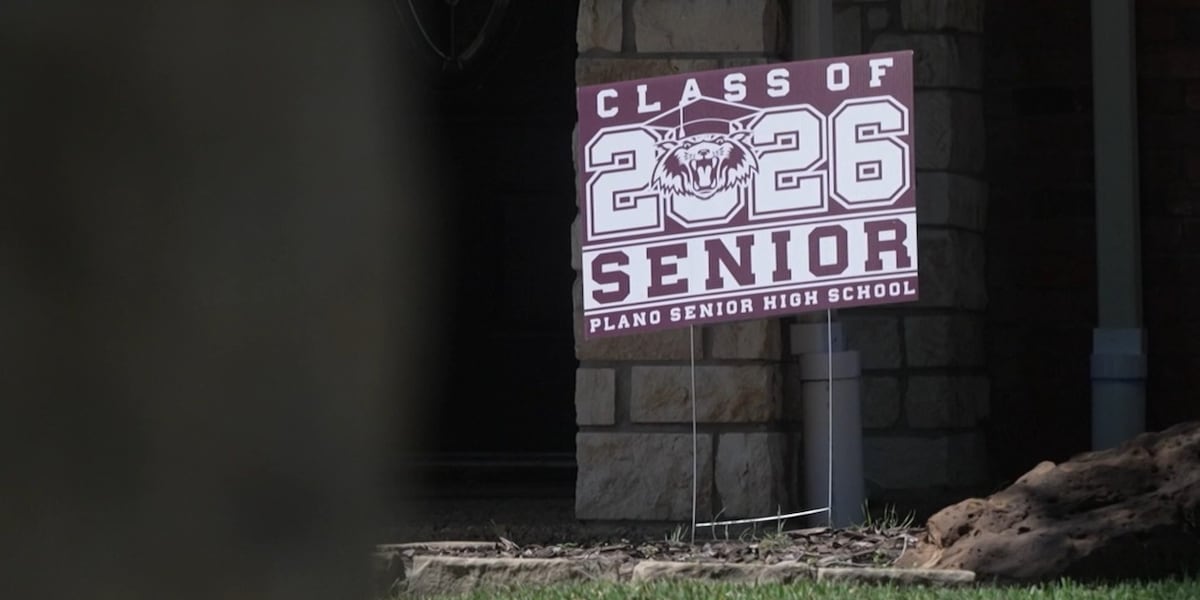
Plano Schools Introduce AI Name Pronunciation at Graduation
Artificial intelligence in education is at the center of a heated debate in Plano, Texas, as the local school district plans to use an AI tool to announce student names at high school graduation ceremonies. The new policy has generated mixed reactions from seniors, with some embracing the change for its accuracy and others lamenting the loss of tradition.
How the AI Name Announcer Works
The Plano Independent School District recently informed families that it will implement NameCheck, an AI-powered pronunciation tool, for all high school graduations this spring. This technology allows students to record their names in advance, enabling the system to learn and pronounce each name correctly during the ceremony. According to the district, this move aims to ensure every student’s name is said accurately and to make the graduation experience more seamless.
“Names matter, and we want your big moment to feel personal and accurate,” the district stated in an email to parents. The commitment to accuracy is one of the key promises behind the use of artificial intelligence in education during these milestone events.
Mixed Reactions Among Seniors
For some students, the shift to AI is difficult to accept. Avery Cousins, an 18-year-old senior at Plano High School, described the decision as “wild.” She expressed disappointment at losing the personal touch of having a familiar educator announce her name. “There is such a distinct human factor to having somebody who knows you and contributed to your education say your name while you walk,” Cousins explained.
However, other seniors view the change more positively. Holden Schmidt, another senior, called the technology “very cool,” while Bridgette Cruz said, “I’d rather have my name said correctly at graduation… especially since it’s such a big day for me.” For these students, the accuracy provided by artificial intelligence in education outweighs concerns over tradition.
Balancing Tradition and Technology
The debate has prompted broader discussions about the role of technology in schools. Watt Lesley Black Jr., a professor of education policy at Southern Methodist University, noted that graduation ceremonies are deeply rooted in tradition, making them resistant to change. “It’s a question of efficiency versus tradition or accuracy versus authenticity,” Black said, suggesting that the benefits of automation may not outweigh the value of a human experience during such a significant event.
Cousins, determined to preserve tradition, has started a petition to bring back human announcers. She quickly found support from fellow students and hopes to gather signatures from the majority of the senior class. Still, Cousins acknowledges the importance of correct pronunciation and suggests a compromise: using the AI as a tool to help human announcers verify names before calling them during the ceremony. “There is something distinctly valuable about having a human experience, even when it’s imperfect,” she added.
District’s Response and Future Implications
The school district has responded to the controversy by emphasizing its motivation: feedback from previous graduations and a desire for accuracy. District officials also highlighted that names will be displayed on a large screen, further enhancing the experience for graduates and their families. Additionally, the annual cost of the AI software and service is less than $10,000 for all four graduations, making it a cost-effective solution.
This move signifies a broader trend of integrating artificial intelligence in education. As more schools experiment with AI for administrative and ceremonial functions, debates like the one in Plano could become increasingly common. The challenge lies in finding a balance between the benefits of technology and the preservation of meaningful traditions.
The Ongoing Debate Over AI in Schools
As graduation approaches, Plano’s seniors remain divided on whether artificial intelligence in education is the right approach for such a personal milestone. While some see it as a step forward in inclusivity and precision, others feel it sacrifices the human connection that makes graduation ceremonies special. The outcome of the petition and the feedback from this year’s ceremonies may shape how schools across the country approach similar decisions in the future.
This article is inspired by content from Original Source. It has been rephrased for originality. Images are credited to the original source.