

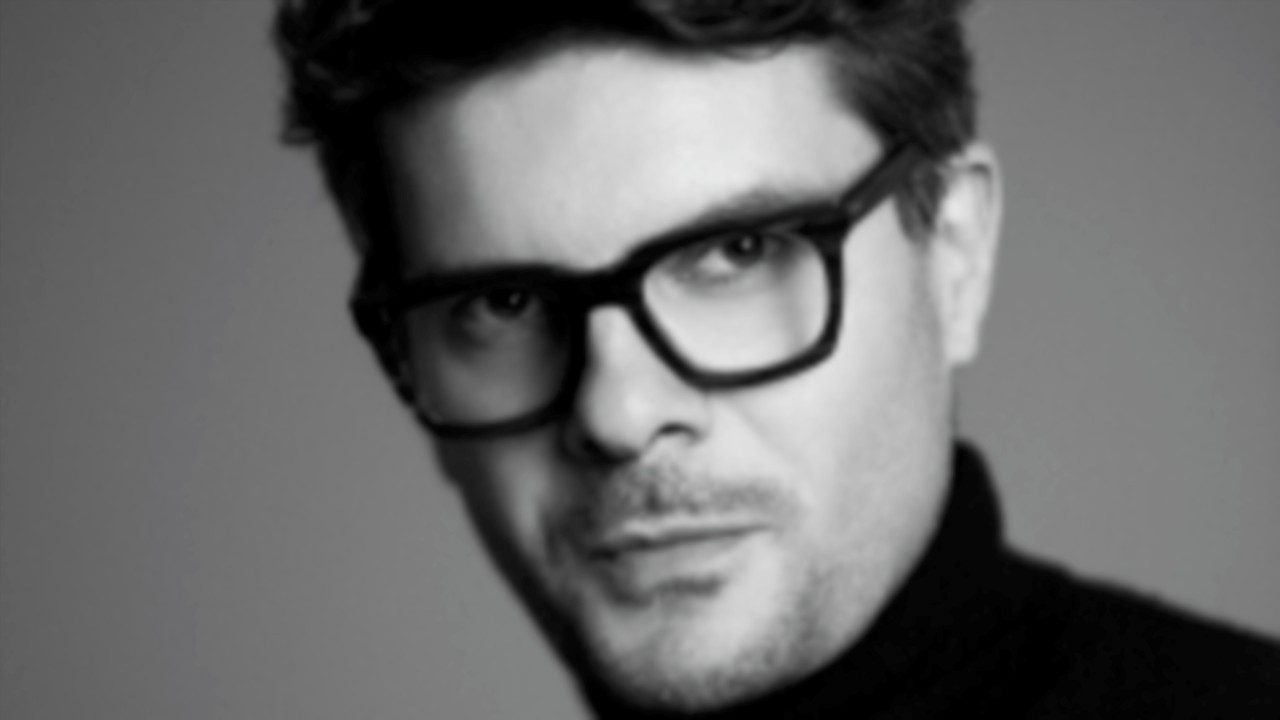
Matteo Basilé: Fusing Art and Technology
Matteo Basilé has long been recognized as a visionary in the world of contemporary art, uniquely blending photography, digital artistry, and cutting-edge technology. His recent work, particularly the Artemisia series, showcases his innovative use of artificial intelligence in art, a technique that pushes the boundaries between tradition and modernity. Basilé’s fascination with broken clocks—symbols of time suspended—mirrors his artistic philosophy: to explore the tension between what can be seen and what lies hidden, between measurable reality and the limitless realm of imagination.
The Human Soul in the Age of Machines
Basilé, born in Rome in 1974 and a descendant of the renowned Cascella family of artists, is often drawn to questions about the intersection of humanity and technology. He provocatively asks, “Can we still speak of soul, grace, and imagination in the language of machines?” For Basilé, the answer is a resounding yes. His creative process is a wager on the possibility that artificial intelligence in art can be a vessel for human expression, not its antagonist. In his studio, a converted carpentry workshop on the outskirts of Rome, AI has become an integral collaborator, enhancing and transforming his artistic vision.
Training Artificial Intelligence to Dream
What sets Basilé apart is his method of ‘training’ AI systems to perceive the world through his unique artistic lens. Rather than relying on generic AI-generated images, he teaches his algorithms to understand his nuanced approach to light, composition, and that subtle line where beauty meets discomfort. Basilé explains that his goal is not to reproduce the world as it is, but to evoke what lies beneath the surface. His images are imbued with both the sacred and the contemporary, memory and the future—all made possible through artificial intelligence in art.
A Dialogue Between Cultures and Traditions
Basilé’s years in Southeast Asia have also deeply influenced his work, fostering a dialogue between diverse cultures, spiritual traditions, and imaginative realms. This global perspective is particularly evident in his Artemisia series, part of the larger Intermundia project. The title, “Intermundia,” refers to a “space between worlds,” where photography, painting, AI, and augmented reality come together in a harmonious conversation. At the heart of these works is the portrait, a classical genre that Basilé reinterprets for the modern era without abandoning its roots in Italian figurative art.
The Artemisia Series: Merging Past and Future
The Artemisia series begins with photographic portraits taken by Basilé himself. These images are then transformed using a sophisticated AI system, meticulously trained on his own visual language. Unlike many AI artworks that are created ex nihilo, Basilé’s creations retain the narrative and symbolic depth of the original photos. This approach to artificial intelligence in art results in images that seem to exist simultaneously in the distant past and an as-yet-unimagined future.
Central to the Artemisia series is the figure of Artemisia Levita, a contemporary model and actress whose striking red hair and presence evoke the legendary painter Artemisia Gentileschi. The reference is intentional and profound: Gentileschi, a figure of both artistic genius and personal bravery, challenged the confines of seventeenth-century Rome by publicly seeking justice for the violence she endured. Basilé’s Artemisia, therefore, becomes a symbol of resilience, courage, and the enduring power of female creativity.
Transforming Portraiture with AI
Basilé’s process showcases how artificial intelligence in art can enrich traditional portraiture, rather than replace it. The AI reworks each photo, layering new visual elements while preserving the essence and story of the subject. This collaboration between human and machine results in portraits that are simultaneously familiar and otherworldly, inviting viewers to look beyond the surface and contemplate the unseen dimensions of identity and experience.
The Future of Artistic Imagination
As technology continues to evolve, artists like Matteo Basilé demonstrate the profound potential of artificial intelligence in art. Rather than diminishing the role of human creativity, AI becomes a partner in exploring new artistic frontiers. Basilé’s work is a testament to the enduring relevance of imagination, grace, and the human soul—even in an age increasingly shaped by machines. Through his innovative approach, he shows that the language of art, like time itself, is not confined by boundaries but is always open to new possibilities.
This article is inspired by content from Original Source. It has been rephrased for originality. Images are credited to the original source.