

The Evolution of Information: From Britannica to ChatGPT
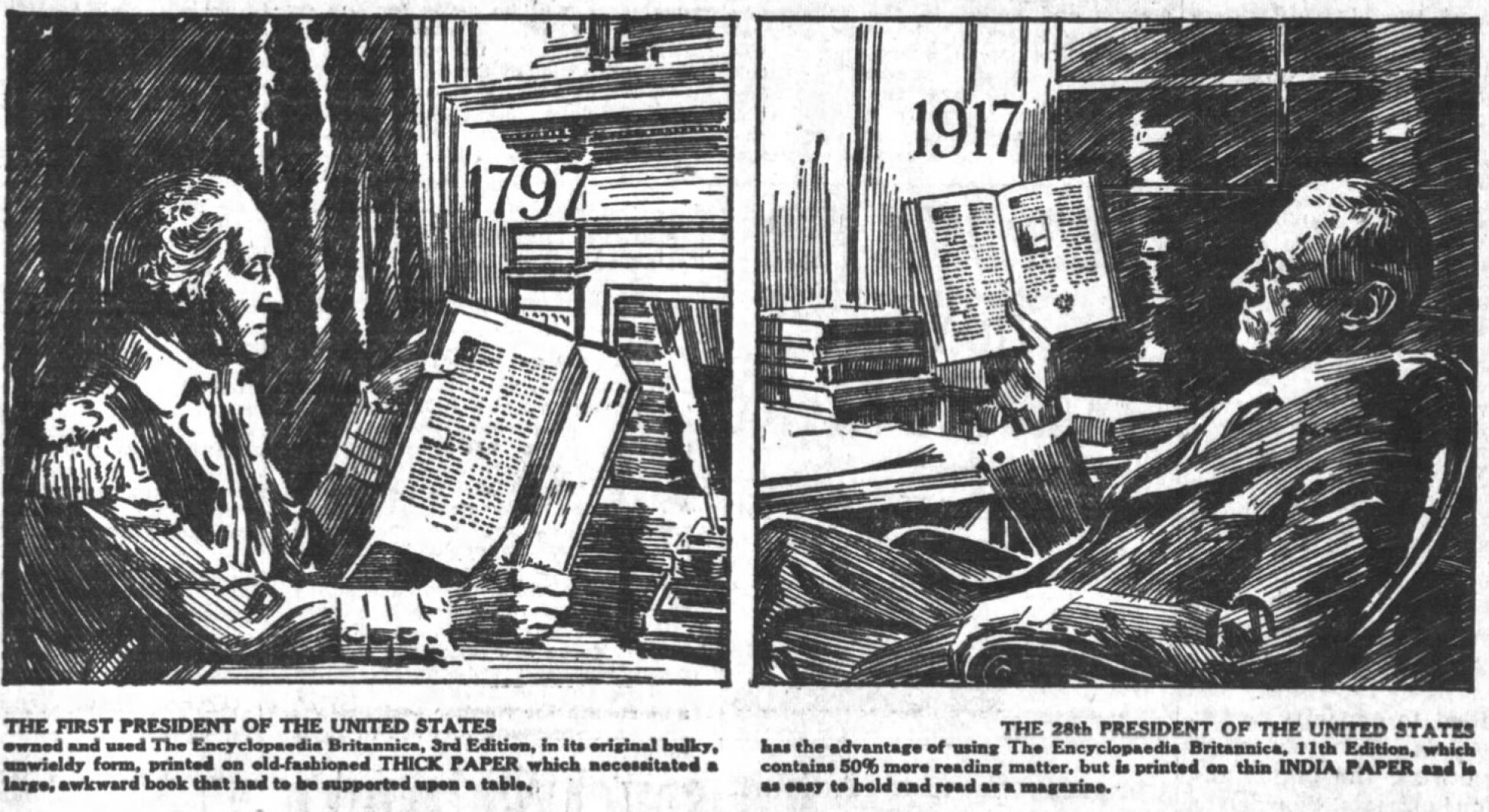
Encyclopedia Britannica has long stood as a hallmark of trusted information. Since its inception in the 18th century, these leather-bound volumes were prized possessions, used by presidents and scholars alike. Today, however, the landscape of information is rapidly changing, and a new battle is unfolding—this time, it’s Britannica vs. ChatGPT, a conflict at the intersection of tradition and cutting-edge technology.
Britannica’s Storied Past and Rise to Prominence
When George Washington and Woodrow Wilson were in office, the Encyclopedia Britannica was already a respected source of knowledge. The cost of owning a set was significant, but the value it provided was undeniable—comprehensive, meticulously curated information, accessible only to those who could afford it. By the 19th and 20th centuries, Britannica had become an essential tool for journalists, educators, and anyone seeking well-vetted facts on everything from world history to scientific discoveries.
Britannica was more than just a reference book; it was a symbol of intellectual achievement. As Rob Whent recalled in a 2012 article, having a full set at home made him feel like he possessed the world’s information at his fingertips. For decades, advertisements enticed families to invest in knowledge, promising that owning Britannica would help children excel in school and broaden their horizons.
The Digital Shift: Wikipedia and the End of an Era
In recent years, the way we access information has changed dramatically. The rise of Wikipedia and the explosion of digital content have made encyclopedias less of a household staple and more of a nostalgic memory. By 2010, Britannica published its final print edition and transitioned to digital formats, striving to stay relevant in a world where information is available instantly and often for free.
The Emergence of AI and the New Information War
But the most significant disruption came with the advent of artificial intelligence and chatbots like ChatGPT. These AI tools can analyze vast amounts of data and provide users with concise, conversational answers to almost any question. While this technology has made information more accessible, it has also raised new legal and ethical questions—particularly around the use of copyrighted content.
This is the heart of the current Britannica vs. ChatGPT legal battle. On March 13, 2024, Britannica and its subsidiary Merriam-Webster filed a lawsuit against OpenAI, the company behind ChatGPT. The lawsuit alleges that OpenAI is “cannibalizing” Britannica’s carefully curated content, using it to generate AI-powered summaries and responses that compete directly with Britannica’s own digital offerings.
Britannica’s Lawsuit: Protecting Copyright in the Digital Age
According to the court documents, Britannica claims that ChatGPT uses its copyrighted material to provide verbatim or near-verbatim reproductions and summaries. This, Britannica argues, not only undermines its business model by reducing web traffic but also threatens the continued existence of high-quality, trustworthy online information.
The lawsuit asserts that “the law does not permit OpenAI’s systematic disregard for the rights and intellectual property of Britannica and Merriam-Webster.” Britannica is seeking unspecified monetary damages and a court order to stop OpenAI from further infringement. The case raises crucial questions about the future of copyright, fair use, and the responsibilities of AI companies in the information age.
The Stakes: Knowledge, Copyright, and the Future
The outcome of Britannica vs. ChatGPT could have far-reaching implications. If Britannica prevails, it may establish new standards for how AI systems access and use third-party content. Publishers and creators are watching closely, as the case could determine whether AI companies must license content or face legal consequences for unlicensed use.
At its core, this battle is about more than just money or web traffic. It is a struggle to define who controls knowledge in the 21st century—traditional publishers with centuries of expertise, or agile AI firms capable of synthesizing information on a massive scale. As the digital landscape continues to evolve, the outcome of this case will shape how we value and protect reliable sources of information.
Conclusion: The Next Chapter in Information Access
The Britannica vs. ChatGPT lawsuit exemplifies the ongoing tension between historical authority and technological innovation. As AI becomes an ever more prominent source of information, society must grapple with issues of copyright, trust, and the preservation of quality knowledge. However the courts decide, one thing is clear: the war over information is far from over, and its resolution will impact how we all learn and access facts in the digital age.
This article is inspired by content from Original Source. It has been rephrased for originality. Images are credited to the original source.