

Government Urges NHS and MoD to Embrace British Technology
British technology procurement is set to take center stage as the UK government calls on the NHS and Ministry of Defence (MoD) to prioritize homegrown tech solutions. This move aims to spur economic growth and resilience in the face of the ongoing Iran crisis and global uncertainty. Treasury minister Spencer Livermore revealed that Chancellor Rachel Reeves will reaffirm the government’s strategy, emphasizing the transformative potential of artificial intelligence (AI) and advanced technology in public services.
AI and Robotics in the NHS: A Catalyst for Change
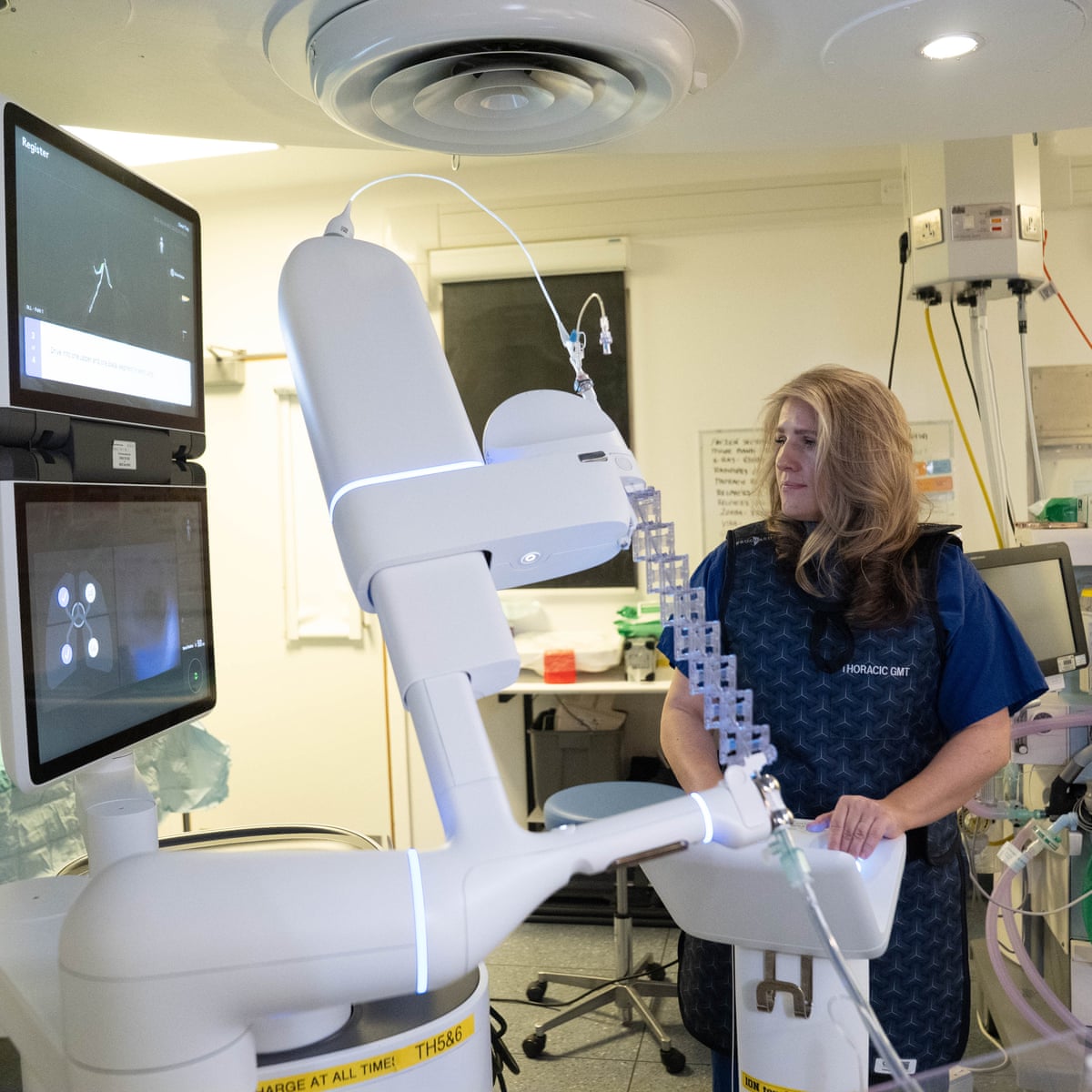
At Guy’s and St Thomas’ Hospital in London, AI and robot technology are already being used to assist patients with suspected lung cancer. This is part of a broader effort to modernize the NHS, improve patient outcomes, and promote British innovation. By adopting British technology procurement strategies, the government hopes to accelerate the rollout of such cutting-edge solutions across the country.
Livermore highlighted the immense opportunities presented by AI, despite concerns about its impact on jobs, especially for young people. “There are massive opportunities here and I think that’s what we want to try to talk about,” he said. “Clearly we want to be one of the fastest adopters in the world.” This optimism is set against a backdrop of rising oil prices and concerns over economic growth, making the case for innovation-led recovery even more compelling.
Strategic Choices for Economic Growth
Chancellor Reeves will outline three key pillars of her economic strategy: forging closer ties with the EU, strengthening regional policy in the Oxford-Cambridge corridor and Northern cities, and betting big on the benefits of AI. The focus on British technology procurement is central to the government’s vision of fostering homegrown innovation and reducing reliance on foreign tech giants.
Livermore criticized the UK government’s traditional procurement processes, noting that bureaucracy and caution often exclude domestic tech firms. “The UK government is too slow to buy new technologies,” he said. To address this, a rapid innovation procurement taskforce will be established outside existing systems, with pilot programs in health and defense. This initiative is designed to make the state a more agile and supportive customer for British technology companies.
Addressing Criticism and Building Trust in British Tech
Labour has faced scrutiny for its relationships with US tech firms like Palantir, which holds a contract with the NHS. Moreover, recent analyses revealed that many government-announced AI deals have yet to deliver substantial investment. By focusing on British technology procurement, ministers hope to ensure that public sector budgets support local tech firms, stimulating domestic growth and technological leadership.
Livermore emphasized the need for the UK to become the first customer for its own technology companies, reversing a trend where British firms often seek initial customers abroad due to slow adoption at home. He underscored the importance of matching the pace of technological change and ensuring that the benefits of innovation—such as job creation and economic growth—are realized domestically.
Economic Resilience Amid Global Uncertainty
As the Middle East conflict persists, concerns about its impact on inflation and public finances grow. Livermore, a former adviser to Gordon Brown, stressed the strength of the UK’s economic fundamentals entering this period of uncertainty. He pointed to effective cost of living measures and prudent fiscal decisions in recent budgets as evidence of the government’s preparedness.
Reeves, who has established an “Iran Board” within the Treasury, is coordinating measures to equip the government for a range of scenarios. Livermore asserted that the current crisis reinforces the importance of “securonomics”—an active, strategic approach to government intervention that supports key sectors and regions with targeted investment, including through British technology procurement.
The Path Forward for British Technology Procurement
Looking ahead, the government’s commitment to British technology procurement signals a determination to harness innovation as a driver for economic recovery and resilience. By streamlining procurement systems, supporting local tech firms, and prioritizing AI and robotics in public services, the UK aims to secure long-term growth and maintain its competitive edge on the global stage.
As Chancellor Reeves prepares to restate her economic vision, the nation’s ability to adapt and invest in homegrown technology will be critical in navigating both immediate challenges and future opportunities.
This article is inspired by content from Original Source. It has been rephrased for originality. Images are credited to the original source.