

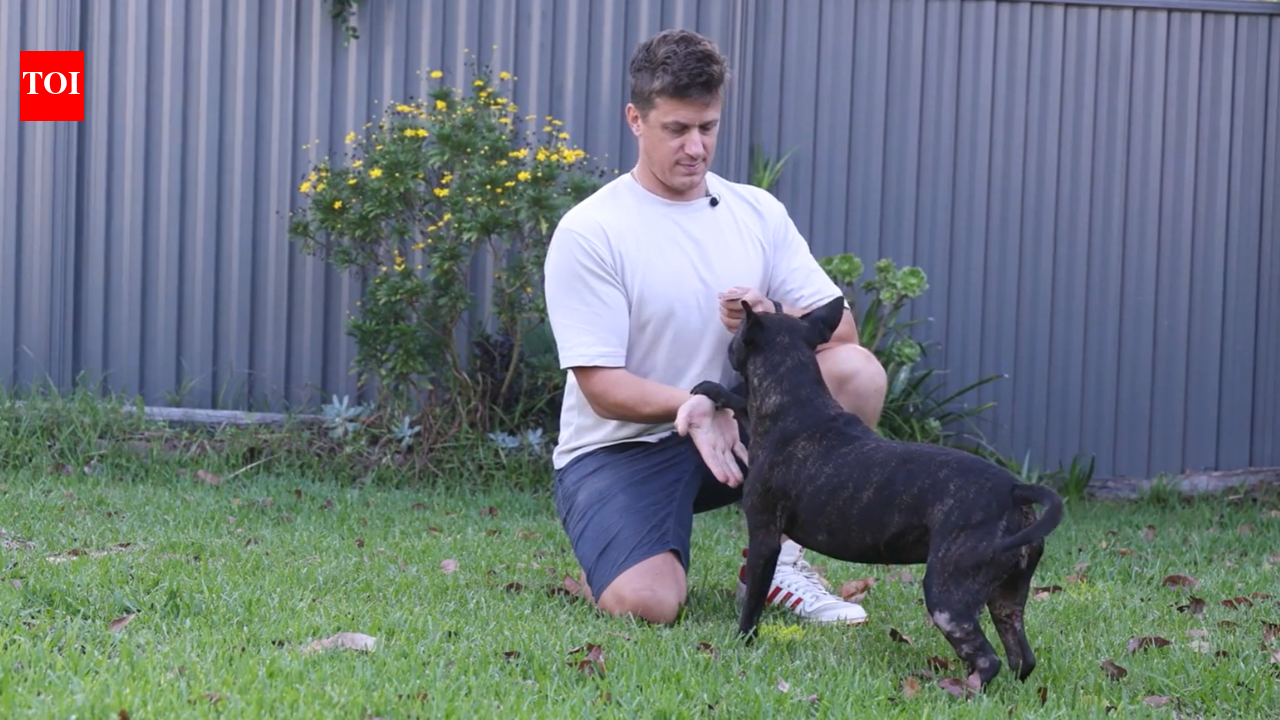
How ChatGPT Helped Save Rosie’s Life
When Rosie, an eight-year-old rescue dog, was diagnosed with aggressive cancer, her owner faced a race against time. Like many pet owners, he was devastated by the news and desperate for a solution. Traditional treatments such as surgery and chemotherapy provided only temporary relief, and the prognosis remained grim. However, thanks to the innovative use of ChatGPT in healthcare, Rosie’s story took a remarkable turn.
The Diagnosis and Desperation
Rosie’s cancer diagnosis left her owner, a tech executive, searching for answers. Despite the best efforts of veterinary specialists, standard treatments were not enough. With limited options and time running out, he turned to technology for help. This is where the power of ChatGPT in healthcare became clear. By leveraging artificial intelligence, he hoped to uncover new possibilities beyond conventional medicine.
Using ChatGPT for Medical Research
Turning to ChatGPT, the tech executive began asking the AI platform questions about canine cancer, immunotherapies, and vaccine development. ChatGPT provided information on cancer biology, the latest research in immunotherapy, and personalized vaccine strategies. The owner used these insights to design a custom cancer vaccine tailored to Rosie’s specific tumor profile. This innovative approach was a testament to the growing influence of ChatGPT in healthcare.
Collaborating with veterinarians and biotech experts, the owner synthesized a vaccine that targeted the unique mutations in Rosie’s cancer cells. The guidance from ChatGPT was instrumental in identifying relevant research papers and outlining steps for vaccine creation. This blend of human determination and AI-driven knowledge made the seemingly impossible, possible.
Administering the Vaccine and Monitoring Results
After careful preparation and safety checks, Rosie received the custom cancer vaccine. Over the following weeks, her condition began to improve. Regular monitoring showed a reduction in tumor size and a resurgence of her energy levels. Both her owner and the veterinary team were amazed at the vaccine’s effectiveness. The use of ChatGPT in healthcare had enabled a personalized approach, giving Rosie a second chance at life.
The Broader Impact of ChatGPT in Healthcare
Rosie’s recovery highlights the transformative potential of AI in medicine, not just for humans but also for animals. ChatGPT’s ability to provide up-to-date research, suggest novel treatment options, and support medical decision-making is reshaping how healthcare professionals and individuals approach complex cases.
While Rosie’s story is extraordinary, it also raises important questions about the future of AI in healthcare. Will AI-driven tools become a staple in personalized medicine? How can regulatory frameworks keep pace with rapidly evolving technology? The success of ChatGPT in healthcare solutions like Rosie’s vaccine signals a promising future, but it also necessitates ongoing collaboration between AI developers, medical experts, and regulatory bodies.
Expert Opinions and Ethical Considerations
Medical experts agree that AI tools like ChatGPT can significantly accelerate research and innovation. By quickly analyzing vast amounts of medical literature and data, AI can generate insights that might otherwise take weeks to uncover. However, they caution that AI should complement, not replace, professional medical judgment. The case of Rosie demonstrates the importance of collaboration between AI tools and human expertise.
Ethical considerations are also at the forefront. Custom medical solutions, especially those generated with the help of AI, require rigorous oversight to ensure patient safety and efficacy. The use of ChatGPT in healthcare must be guided by transparency, data privacy, and ethical standards to maximize benefits while minimizing risks.
The Future of AI-Driven Medical Solutions
Rosie’s journey from a dire diagnosis to recovery serves as an inspiring example of what’s possible when technology and compassion intersect. As AI platforms like ChatGPT continue to evolve, their role in healthcare—both human and veterinary—will undoubtedly expand. With responsible use, AI can empower individuals to make informed decisions and potentially save more lives.
For pet owners and healthcare professionals alike, the story of Rosie is a reminder of the hope that technology can bring. As we witness more cases like this, the conversation around ChatGPT in healthcare will likely grow, influencing the future of medicine for all species.
This article is inspired by content from Original Source. It has been rephrased for originality. Images are credited to the original source.