

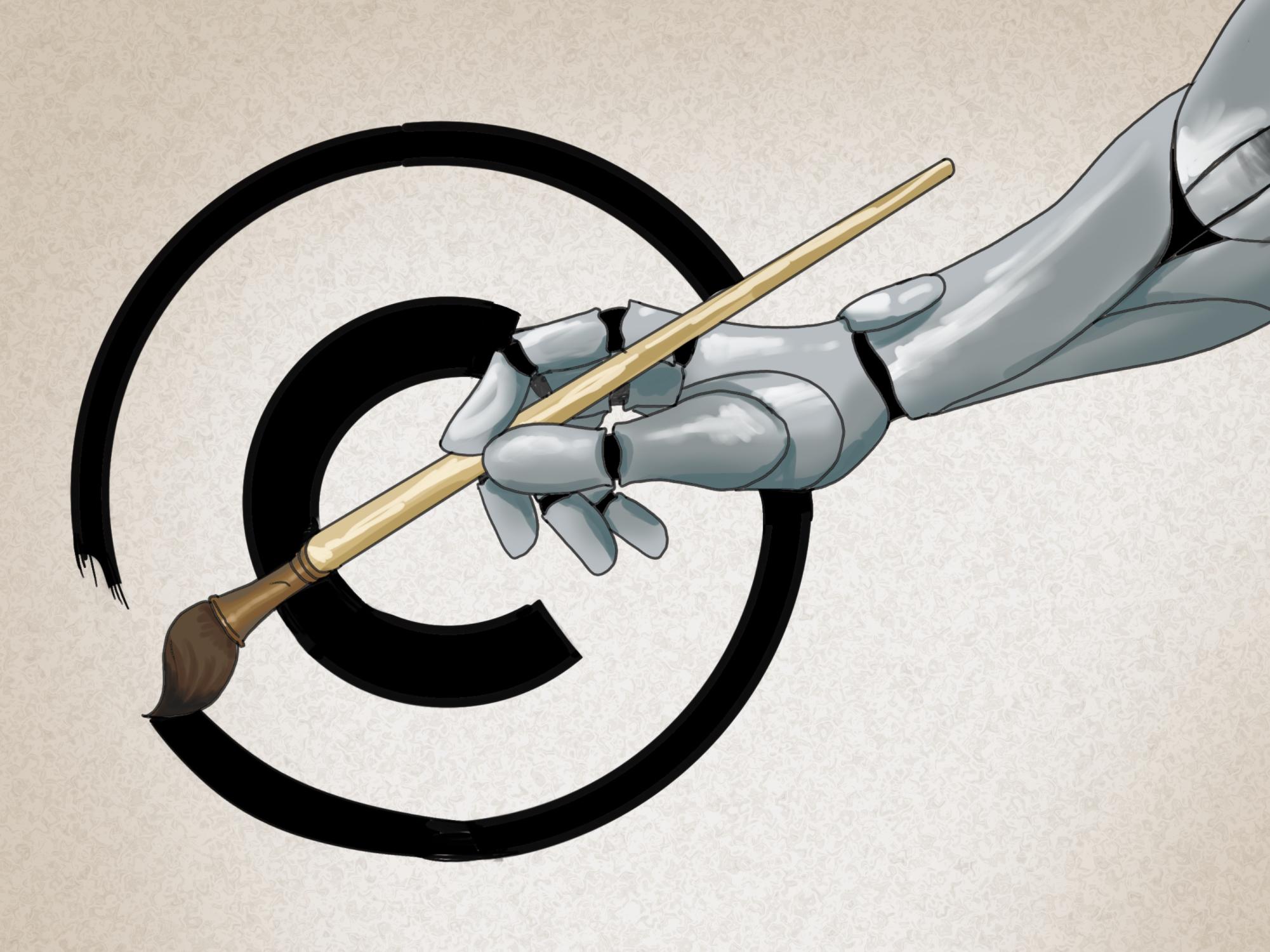
The Expanding Influence of Generative AI
Generative artificial intelligence (AI) has rapidly permeated numerous fields, from scientific research to visual arts, profoundly impacting how creativity and innovation are approached. As AI’s capabilities continue to develop, so too do the complexities surrounding intellectual property (IP) and creator rights. While AI offers remarkable opportunities, it also presents unprecedented challenges, particularly regarding ownership and legal protections for creative works.
Legal Uncertainties in a Fast-Moving Landscape
Brian Eller, Interim Assistant Vice Chancellor of Technology Licensing at the Office of Research Commercialization, points out that the law is still catching up with AI’s swift evolution. “The AI boom happened so recently that there isn’t a history of case law,” Eller explains. The absence of established precedents means that courts are often confronting novel issues with each new case, setting influential examples for future decisions.
One notable instance occurred in 2022, when the U.S. Copyright Office partially revoked the copyright for “Zarya of the Dawn,” a work created entirely by generative AI. The agency clarified that a direct connection between human creativity and expression is essential for copyright protection. This decision, while groundbreaking, leaves many questions unanswered and highlights the unpredictability currently facing creators and legal professionals alike.
Human Creativity Remains Central in Patent Law
Another major legal milestone was Thaler v. Vidal in 2022. In this case, the Federal Circuit ruled that, under the Patent Act, inventors must be natural persons. Eller notes that, for a U.S. patent, only individuals who contribute to the claims of an invention can be listed as inventors. Though AI can significantly inform research and development, it cannot be recognized as an inventor on any patent documentation. This ruling reinforces the principle that, at least for now, human ingenuity sits at the heart of the patent system.
AI: Both a Threat and a Tool for Creators
Beyond academia, creators across all mediums—from independent artists to major news organizations—are navigating uncharted territory. Brandon Huffman, founding attorney at Odin Law and Media, observes that AI complicates the IP landscape in both helpful and harmful ways. “[AI] is going to make it easier and more difficult because there’s going to be a whole lot more infringement in terms of content being generated by third parties without permission. But there’s also going to be more tools to combat that infringement,” Huffman says. He adds, “We’ve created a solution to a problem that didn’t exist, and it’s going to create new problems.”
High-Profile Lawsuits Highlight Ongoing Tensions
Recent headline-making lawsuits underscore the tensions between AI advancements and intellectual property rights. In December 2025, The New York Times filed a lawsuit against PerplexityAI, a startup specializing in generative AI, accusing the company of distributing copyrighted material without authorization and using it to train their AI-powered search engine. The lawsuit further alleges that PerplexityAI’s products sometimes fabricate content and incorrectly attribute it to The New York Times. Similar claims have been brought by Reddit, Merriam-Webster Dictionary, and Encyclopedia Britannica, all citing copyright infringement concerns.
Such legal battles reflect a broader apprehension among creators about how AI-generated content could undermine the value and integrity of human-made works. Huffman explains that many of his clients are adopting a cautious approach when using large language models, Stable Diffusion, or other generative AI tools. They are wary of inadvertently infringing on existing copyrights or producing work that may not qualify for legal protection due to its AI origins.
Balancing Risks and Opportunities
Despite these risks, AI is not inherently detrimental to the creative fields. Huffman notes that attitudes toward AI vary widely, especially in the gaming industry. Some developers completely avoid AI due to negative perceptions among their audiences, while others—particularly indie creators—embrace its potential to streamline repetitive tasks and expand their creative horizons. For many, AI serves as an invaluable tool for handling time-consuming or expensive work, freeing up resources for innovation and originality.
AI Integration at Academic Institutions
At institutions like North Carolina State University, AI’s impact is clearly visible. According to Eller, the Office of Research Commercialization receives about 220 invention disclosures annually, with a growing proportion involving AI. While technology continues to advance, Eller emphasizes that human creativity and community benefit remain at the core of university research initiatives.
The Path Forward: Transparency and Informed Usage
As with any transformative technology, the rise of generative AI brings both opportunities and complications. The legal framework governing intellectual property is still evolving, and many creators are navigating a period of significant uncertainty. The key, experts suggest, is to acknowledge both the advantages and the limitations of AI, while prioritizing transparency and informed use. As courts, creators, and companies adapt to this new reality, the intersection of AI and intellectual property will remain a dynamic and closely watched area.
This article is inspired by content from Original Source. It has been rephrased for originality. Images are credited to the original source.