

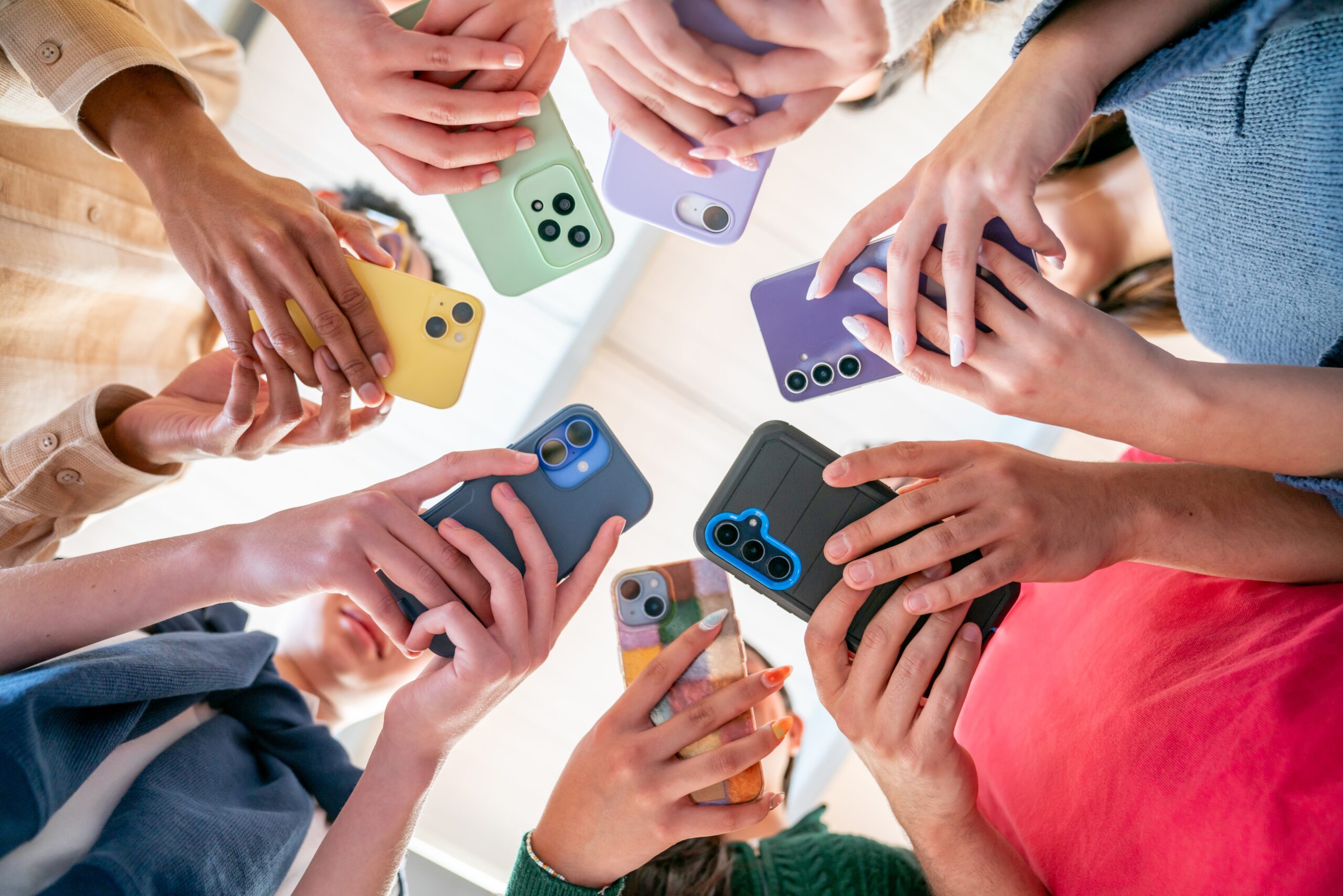
Teen Perspectives on Generative AI in Education
As generative AI becomes increasingly integrated into everyday life, its impact on young people is under the spotlight. The term generative AI in education is more than just a buzzword—it’s a lived reality for today’s teens. While adults debate the pros and cons, teenagers themselves are developing unique perspectives on how this technology influences their learning, thinking, and future prospects.
Meaningful Connections and New Learning Tools
For some students, generative AI in education offers invaluable support. Charles Ansevin, a 15-year-old from Gates Mills, Ohio, describes ChatGPT as more than a tool—it’s almost like a friend. “We’ve been able to have very meaningful, you know, intelligent discussions,” he shares, highlighting how AI can foster engagement and curiosity outside of traditional classroom settings.
Tessa Klein, 18, from Oradell, New Jersey, echoes this sentiment. As a recent high school graduate, she found AI to be a helpful academic companion. “I think it’s just this opportunity to have sort of like a private tutor that maybe other students cannot have or cannot afford,” she explains. For Tessa, AI has provided feedback on essays and assistance with complex science concepts, making high-level learning more accessible and personalized.
Concerns and Critiques from the Next Generation
Not all teenagers view generative AI in education so positively. Dorian Prado, 16, from Fort Worth, Texas, is critical of the technology’s influence. “It makes it to where thinking is optional, and that should never be the case,” Dorian asserts. He worries that reliance on AI may diminish critical thinking and learning skills, making students “dumber” rather than more informed.
Dammie’on McColley, 18, from Indianapolis, raises another key concern: the impact of AI on future job opportunities. “I don’t want it to, you know, kind of throw off jobs and things like that,” he says. Dammie’on is concerned about automation replacing human roles, particularly when those jobs are the primary source of income for many families. He asks, “If we have a machinery that’s taking over that, then what are they going to do?” For Dammie’on, the societal implications of generative AI in education and beyond are significant and warrant careful consideration.
Balancing Opportunity and Risk
The arrival of generative AI in education has sparked a spectrum of opinions among teens. Some embrace AI as a private tutor, a study aid, or even a conversation partner. Others are wary, fearing overreliance on technology or the loss of essential human skills. Still others, like Ethan Ansevin of Gates Mills and Rida Desai of River Edge, New Jersey, are likely navigating a middle ground—recognizing both the transformative potential and the challenges that come with AI in learning.
As these young voices suggest, the future of generative AI in education is not predetermined. The technology is evolving quickly, but so are the perspectives of those who use it daily. Teens are not passive recipients; they are active participants in shaping how AI is understood and applied in the classroom, in homework help, and in career planning.
How Generative AI is Shaping the Learning Experience
Generative AI in education enables personalized feedback, supports diverse learning styles, and can bridge gaps in access to resources. For students who may lack access to private tutors or advanced coursework, AI offers a new path to academic support. Yet, as Dorian and Dammie’on point out, this opportunity comes with responsibilities: ensuring that technology supplements, rather than substitutes, genuine learning and critical thinking.
Parents, educators, and policymakers must listen to these voices. By understanding teen experiences with generative AI in education, stakeholders can develop guidelines and best practices that maximize benefits while addressing concerns such as data privacy, equitable access, and the future of work.
The Path Forward for Generative AI in Education
Ultimately, the conversation about generative AI in education is ongoing. The perspectives of these seven teenagers reflect a microcosm of broader debates happening in classrooms, homes, and boardrooms across the country. Whether teens see AI as a friend, a tutor, or a threat, their experiences are essential to shaping an educational future that is innovative, equitable, and mindful of both opportunity and risk.
As generative AI in education continues to evolve, the voices of young people will remain central to understanding its true impact. Their stories remind us that technology is not just about algorithms and automation—it’s about people, learning, and the world we are building together.
This article is inspired by content from Original Source. It has been rephrased for originality. Images are credited to the original source.