

AI Transforms Medical Procedures for Veterans
A decade ago, artificial intelligence (AI) was a topic reserved for tech enthusiasts and specialists. Today, it is a driving force in nearly every industry, from education and national defense to health care. At the U.S. Department of Veterans Affairs (VA), AI is making a transformative impact—particularly in medical procedures such as colonoscopies.
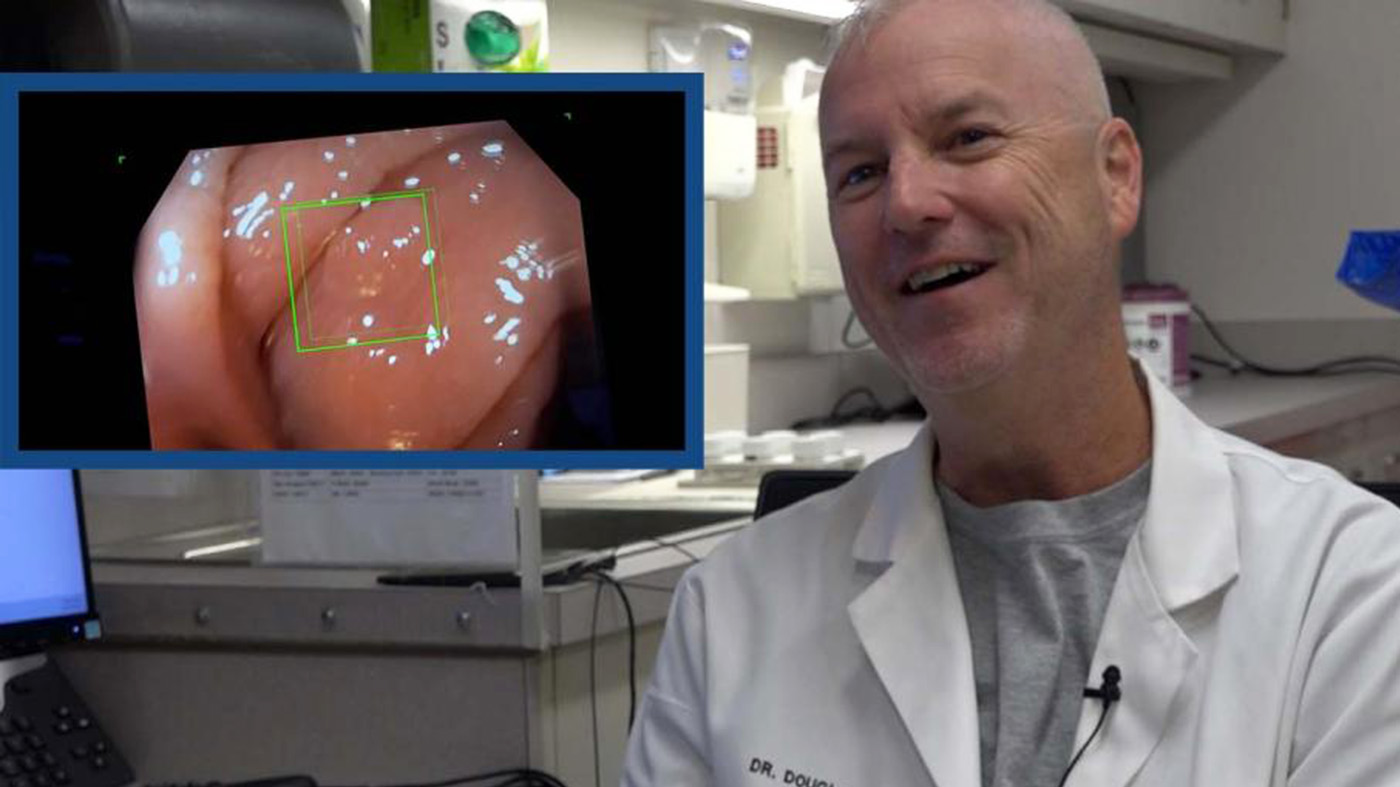
Dr. Douglas Boyce, a gastroenterologist at the Asheville VA Medical Center, was among the early advocates pushing for the implementation of AI-assisted colonoscopies. After learning about the technology’s potential, Boyce saw an opportunity to improve patient outcomes at VA facilities. “The goal was to see if it improved the quality of procedures and outcomes for patients,” Boyce explained. “Ultimately, it’s about preventing cancer and delivering excellent care. In that sense, VA was ahead of the curve.”
Boosting Detection Rates Through AI
One of the most vital metrics in a colonoscopy is the adenoma detection rate (ADR). Adenomas are benign polyps that may develop into colon cancer over time. The national ADR standard hovers around 25%, but with AI, this rate improves significantly.
AI tools assist clinicians by identifying subtle changes in the colon that may be missed by the human eye. Even a slight 1% increase in adenoma detection is linked to a 3% reduction in the risk of developing colon cancer. “AI can detect very small changes in the mucosa that might not be visible to a provider,” noted Dr. Douglas Huntley, Deputy Chief of Staff. “It’s highly precise, and as it learns, it creates consistency across provider performance. Using any safe, effective technology that reduces morbidity and mortality for Veterans is crucial.”
Understanding the Importance of Screening
Age is the most significant risk factor for colon cancer, the third most common cancer in the United States. Veterans and civilians alike should adhere to screening guidelines, even if they feel perfectly healthy. Medical professionals recommend that adults between ages 45 and 49 begin routine colonoscopy screenings, especially those with a family history of the disease.
Air Force Veteran Dawn Yllescas serves as a powerful example of the importance of early detection. “I had no symptoms—none,” she said. “I came in for a routine colonoscopy because I was the right age. When I woke up, I was told I had colon cancer.”
Thanks to early diagnosis and coordinated care from VA’s medical team, Yllescas’s life was saved. “It’s emotionally challenging, but I’m alive,” she emphasized. “Now, I can help educate others on why getting checked matters. It may feel awkward or uncomfortable, but it’s essential. You must prioritize your health.”
Empowering Patients with Questions
Dr. Boyce encourages patients to engage actively with their providers and ask whether AI is used during their procedures. “It may sound technical, but it’s an important question. It could lead to a more thorough and efficient exam,” he advised.
VA facilities are equipped with some of the most advanced diagnostic tools available. When something is detected, a comprehensive team—comprising specialists in gastroenterology, oncology, primary care, Whole Health, and more—is ready to provide seamless care throughout diagnosis, treatment, and recovery.
Accessing VA Health Care Services
For Veterans who have not yet enrolled in VA health care, it is never too late to apply and receive the benefits they’ve earned through service. The VA continues to lead in adopting innovative technologies that not only enhance medical procedures but also improve overall patient care and outcomes.
By integrating AI into routine procedures like colonoscopies, the VA sets a new standard in Veteran health care, emphasizing precision, early detection, and comprehensive support.
This article is inspired by content from Original Source. It has been rephrased for originality. Images are credited to the original source.