

The Collapse of High-Stakes Pentagon-AI Negotiations
On a tense Friday afternoon, the clock ticked toward a 5:01 p.m. deadline as Emil Michael, the Department of Defense’s chief technology officer, grew increasingly frustrated. For weeks, Michael—former Uber executive—had led negotiations with artificial intelligence firm Anthropic over a $200 million contract that could shape the Pentagon’s future AI capabilities. The sticking point was clear: the military demanded unrestricted access to Anthropic’s technology, while Anthropic insisted on clear limitations to prevent its AI from being used for mass surveillance of Americans or other controversial purposes.
As the final minutes slipped away, Michael pressed Anthropic’s CEO, Dario Amodei, to join a call and resolve the last remaining wording over lawful surveillance. But Amodei, occupied with his executive team, delayed. Michael, dissatisfied, had quietly prepared a backup: parallel negotiations with Anthropic’s rival, OpenAI, led by Sam Altman. With a tentative framework in place with OpenAI, the Pentagon was ready to move on.
Pentagon Cuts Ties as Deadline Passes
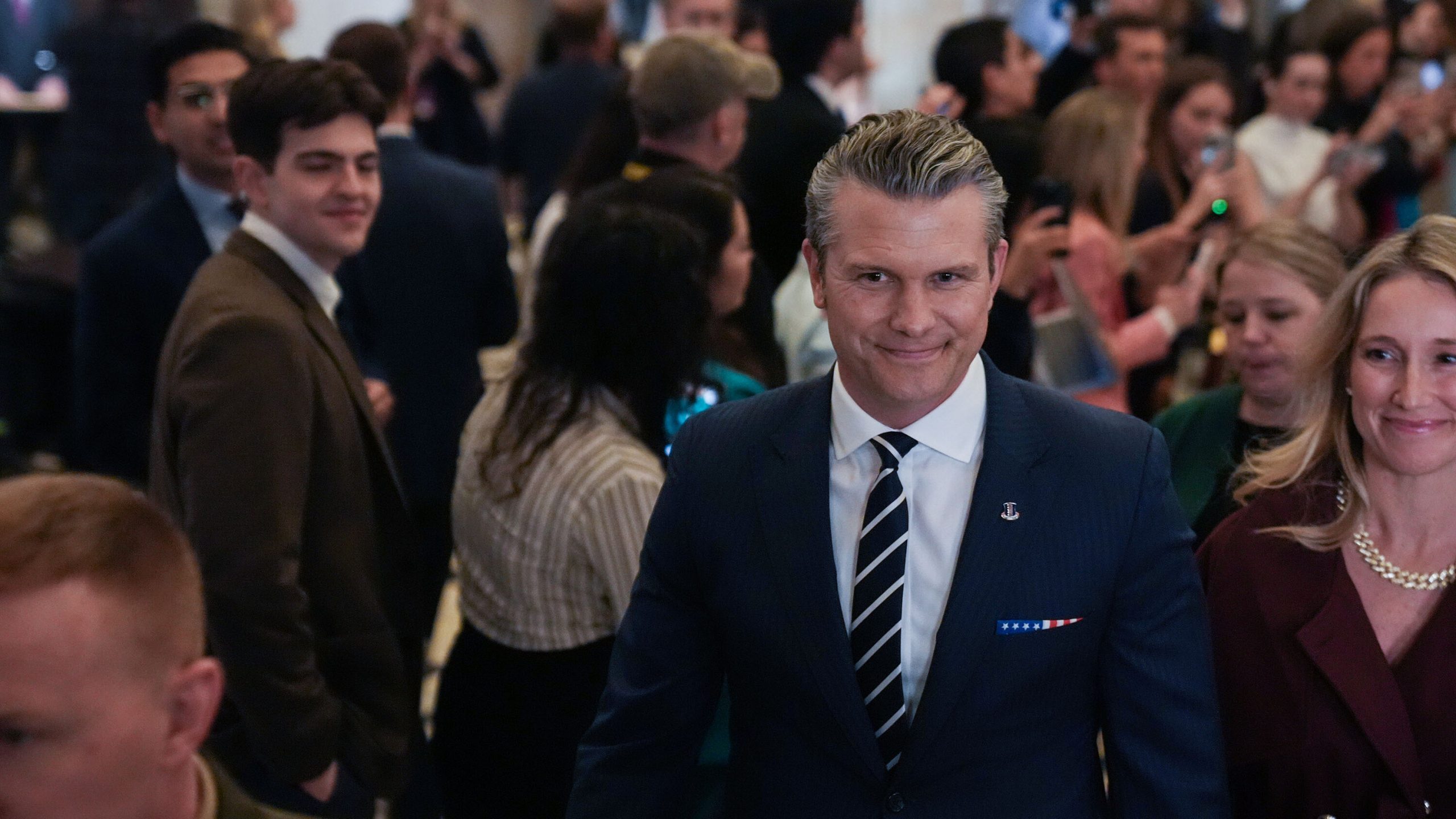
When the deadline expired, Defense Secretary Pete Hegseth acted swiftly. At 5:14 p.m., he publicly declared Anthropic a security risk, cutting the company off from government contracts. In a forceful social media post, Hegseth wrote, “America’s warfighters will never be held hostage by the ideological whims of Big Tech.” Within hours, Altman announced that OpenAI had reached an agreement to provide its AI technologies for Pentagon classified systems.
The unraveling of Anthropic’s deal and the rise of OpenAI was the result of weeks of mounting tension and philosophical differences. Interviews with people familiar with the talks reveal personalities who clashed—Michael, Amodei, and Altman all knew each other from years in Silicon Valley, but rarely saw eye-to-eye. Amodei and Altman, once colleagues at OpenAI, are now fierce competitors. As negotiations stalled, Michael publicly criticized Amodei, calling him “a liar” with “a God-complex.” Ultimately, Michael preferred Altman, who has fostered a relationship with the Trump administration, over Amodei.
Anthropic Fights Back and the Stakes Rise
Anthropic’s troubles with the Pentagon may only be beginning. On the same Friday night, the company announced plans to sue over the Pentagon’s “supply chain risk” designation—a label typically reserved for foreign companies suspected of threatening national security, never before used against a U.S. company. Intelligence officials, including those at the CIA, have quietly urged both sides to find common ground, as Anthropic’s AI is already used in some intelligence operations. Some current and former intelligence officials still hope for a reconciliation.
The conflict also comes amid ongoing legal turbulence in the AI sector. The New York Times, for example, is suing OpenAI and Microsoft over alleged copyright infringement, a claim both companies deny.
How AI Became the Pentagon’s Priority
In the past year, Anthropic, OpenAI, Google, and xAI all participated in a Pentagon pilot program exploring AI’s potential in defense. Anthropic distinguished itself by deploying AI for classified systems, quickly becoming a favorite among defense officials. But in January, Secretary Hegseth issued a memo demanding that AI be integrated broadly across military operations and that tech companies provide their AI without restrictive conditions. The Pentagon even displayed AI-generated posters of Hegseth urging staff to “use A.I.”
This directive forced all parties back to the negotiating table. Anthropic, as the top AI provider, became the focus. Emil Michael, after joining the Pentagon as CTO in 2025, became the chief negotiator. But the process soon stalled: Anthropic wanted to ensure its AI would not be used for mass surveillance or in autonomous weapons without human oversight, while the Pentagon insisted that only the government could determine lawful use of defense technologies.
Negotiations Break Down
In late February, Hegseth and Amodei met at the Pentagon for a final push toward compromise. The discussion was brief and tense, ending with Hegseth warning that if Anthropic did not relent by the Friday deadline, the company would be labeled a supply chain risk. He even considered invoking the Defense Production Act to force Anthropic’s compliance, a threat that was later dropped.
Meanwhile, Altman of OpenAI connected with Michael to hammer out a deal. OpenAI agreed to allow its AI to be used for all lawful military purposes, but secured the right to implement technical safeguards in line with its safety principles. As Anthropic stood firm on the need for guardrails, Michael publicly attacked Amodei online, accusing him of putting national security at risk.
Political Pressure and the Final Hours
As Friday’s deadline neared, both sides believed they were close to a compromise on the surveillance issue. However, a social media post from President Trump—belittling Anthropic and ordering all agencies to stop working with the company—ratcheted up the pressure. Michael insisted Anthropic allow military use of bulk commercial data about Americans, such as geolocation and web browsing data. Anthropic countered that it would cooperate on classified data collected under the Foreign Intelligence Surveillance Act, but wanted a binding promise that its technology would not be used on unclassified commercial data.
When Amodei was unavailable to join a last-minute call, Hegseth ended the talks. As Anthropic’s legal team prepared for a lawsuit, OpenAI finalized its Pentagon agreement. Altman quickly announced the deal, and Hegseth amplified the news on social media. OpenAI’s move sparked debate about whether the company could preserve its safety principles while serving military interests. Altman, however, framed it as a chance to build “a safe system” for national defense.
This article is inspired by content from Original Source. It has been rephrased for originality. Images are credited to the original source.