

AI Steps In to Support Dispatch Services in Lyon County
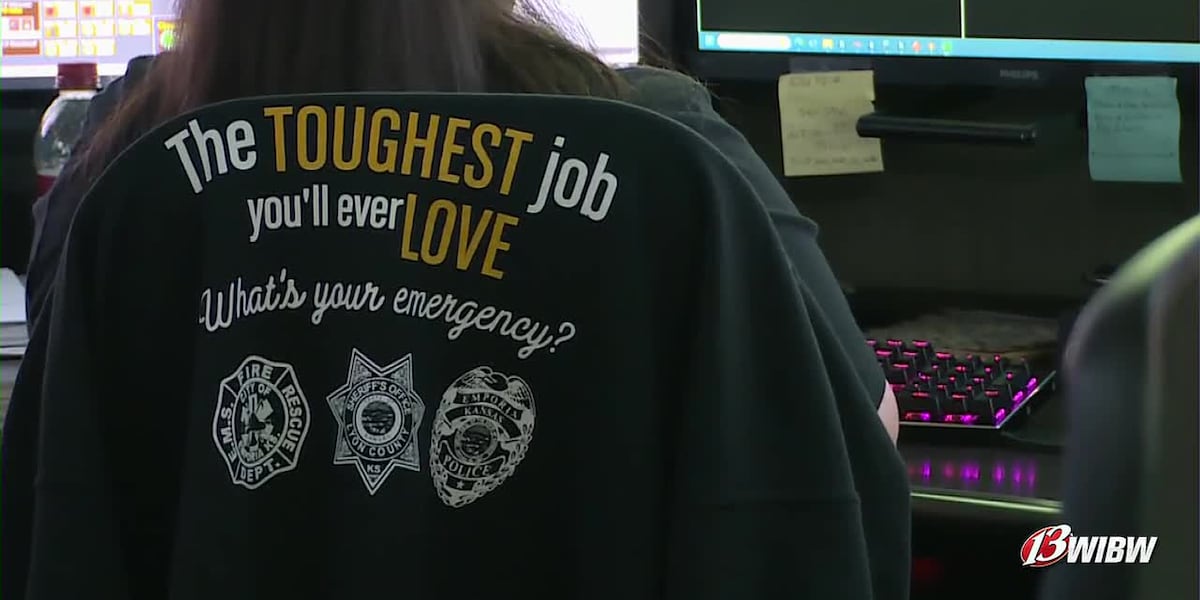
EMPORIA, Kan. — Across the United States, emergency dispatch centers are grappling with persistent staffing shortages. In response, Lyon County’s Emergency Communications Center (LCECC) has turned to artificial intelligence as a novel solution to manage the workload while ensuring public safety remains uncompromised.
In December, the center introduced an AI tool named “Betty” to help handle non-emergency calls. According to LCECC Director Roxanne Van Gundy, the early results are already promising. Betty is not a new employee, but rather an assistive technology designed to complement the human dispatch team.
Betty Supports, Not Replaces, Human Dispatchers
“Betty does not replace anyone,” Van Gundy clarified. “She works alongside our 911 professionals to process non-emergency calls.” The AI system is currently responsible for managing 10 types of non-urgent calls, including minor vehicle accidents, animal complaints, and vehicle lockouts.
The AI operates using a script derived from standard dispatcher training, ensuring consistency and accuracy in information gathering. “We’ve taken the same questions we teach our human dispatchers to ask and programmed them into Betty,” said Van Gundy. “She asks them just like a human would.”
As Betty interacts with callers, the system generates a summarized report of the call, which is then forwarded to human dispatchers via email. This process allows the center to maintain a high level of service while reducing the burden on its limited staff.
Ensuring Safety and Human Oversight
Despite the implementation of AI, Van Gundy stressed that human oversight remains critical. The center always has two dispatchers on duty, and Betty is equipped with safeguards to escalate calls if necessary.
“If something escalates or seems more urgent, Betty immediately transfers the caller to a human dispatcher,” she explained. This feature ensures that critical situations receive the attention they require without delay.
Van Gundy believes that offloading routine calls to Betty allows dispatchers to concentrate on emergencies and radio traffic. “We want to be focused on life-threatening calls and critical radio communication when our responders need us,” she said. “Answering non-urgent calls takes away from that capability.”
Combating Burnout and Improving Retention
The introduction of Betty is part of a broader strategy to improve working conditions and reduce burnout among dispatch staff. Emergency communication professionals often face high-stress environments, and the ongoing staffing crisis only exacerbates the problem.
“It’s encouraging to see our team be able to take a breath between calls,” Van Gundy noted. “That kind of relief contributes to better retention and less burnout. For me, that’s a major win.”
By streamlining operations and reducing distractions, the LCECC hopes to cultivate a healthier work environment. This shift not only benefits the staff but also enhances the center’s ability to deliver prompt and effective emergency response services to the community.
Pilot Program and Future Prospects
Lyon County’s dispatch center is among the few in Kansas experimenting with this kind of AI technology. The implementation of Betty is currently in a four-month pilot phase, during which the system will be closely monitored and refined based on feedback and performance metrics.
Van Gundy emphasized that this is just the beginning of integrating AI into emergency communications. “We’re still learning and adapting,” she said. “But the early signs suggest this tool can make a real difference in how we manage our calls and support our staff.”
As the pilot progresses, the center will evaluate Betty’s effectiveness and make necessary adjustments to maximize its potential. If successful, the AI program could serve as a model for other dispatch centers across the country facing similar staffing challenges.
A Model for Modern Emergency Response
The Lyon County Emergency Communications Center’s adoption of artificial intelligence reflects a growing trend in public safety: leveraging technology to fill operational gaps and improve service delivery. While AI tools like Betty are not a replacement for skilled human professionals, they can serve as valuable partners in managing workload and enhancing overall efficiency.
“At the end of the day, our goal is to build a dispatch center that thrives, not just survives,” Van Gundy said. “With tools like Betty, we’re moving toward that goal — creating a safer, more responsive environment for both our team and our community.”
This article is inspired by content from Original Source. It has been rephrased for originality. Images are credited to the original source.