

Meta’s Global Workforce Faces Major Restructuring
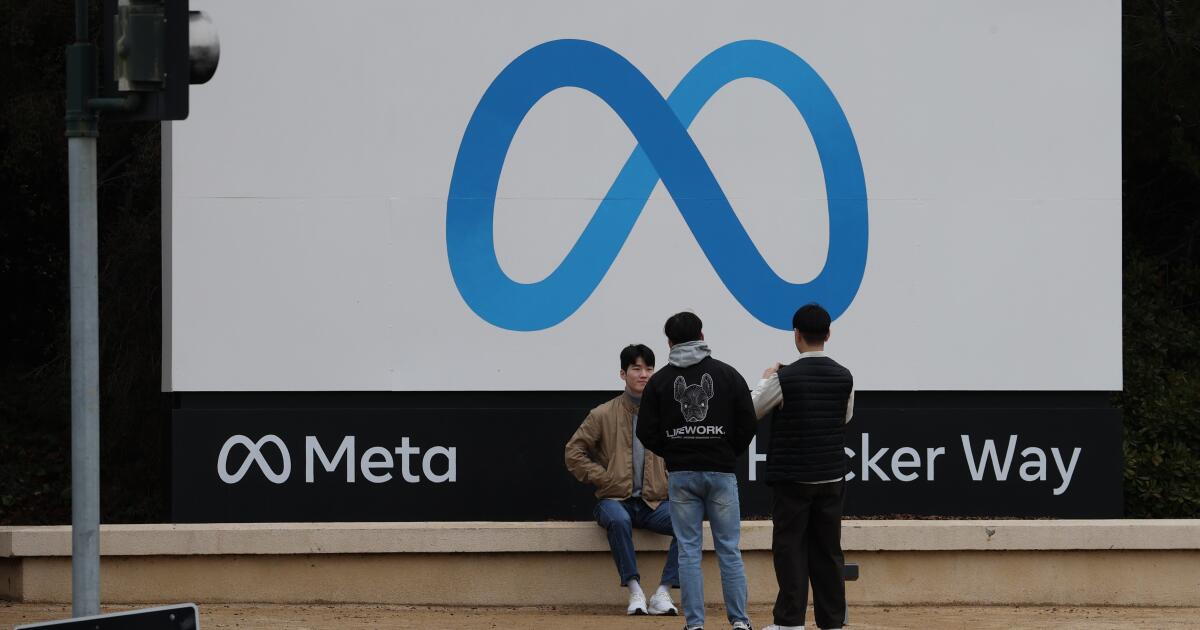
Meta job cuts have taken center stage as the tech giant embarks on a significant phase of its global restructuring. In an effort to boost efficiency and focus on artificial intelligence, Meta Platforms Inc. has started notifying thousands of employees worldwide about impending layoffs. This move, part of a previously announced cost-reduction strategy, reflects Meta’s commitment to staying competitive in the rapidly evolving world of AI-driven technology.
Early Morning Layoffs Span the Globe
The process began in the early hours across Asia, with employees receiving notifications as early as 4 a.m. Singapore time. U.S.-based staff were also set to receive their notices throughout the morning, according to internal communications. In Ireland, the impact was particularly pronounced, with around 350 jobs eliminated—approximately one-fifth of Meta’s local workforce. While Meta representatives have refrained from commenting on specific figures, they confirmed that affected employees and local governments have been informed of the changes.
To ease the transition, employees have been encouraged to work from home during this period of uncertainty. The Meta job cuts are expected to impact primarily the engineering and product teams, with hints from company insiders that additional layoffs could occur later in the year.
AI Push Drives Organizational Change
Meta’s aggressive investment in artificial intelligence is at the heart of these sweeping changes. On Monday, the company revealed that approximately 7,000 workers have been reassigned to newly formed teams focused on AI initiatives, including development of new products and AI agents. This restructuring comes as Meta has committed more than $100 billion to AI capital expenditures this year alone, a figure that dwarfs many of its competitors.
Janelle Gale, Meta’s Head of People, explained in a memo that the company is shifting towards a flatter organizational structure. The goal is to form smaller, agile teams—referred to as pods or cohorts—that can operate more efficiently and with greater ownership over their projects. “We believe this will make us more productive and make the work more rewarding,” Gale noted in her communication to staff.
Leadership’s Vision: AI as Top Priority
Mark Zuckerberg, Meta’s CEO, has made it clear that AI is now the company’s top priority. This strategic focus has led to a reimagining of Meta’s workforce and operational approach. The company has endured several waves of layoffs in recent years, all in pursuit of greater efficiency and adaptability in a competitive tech landscape.
Zuckerberg has actively encouraged engineers to leverage AI agents for tasks such as coding and problem-solving. Additionally, plans have been outlined to track employee device usage—down to keystrokes and mouse movements—to help train Meta’s AI systems. In a notable move, Zuckerberg himself has developed an AI-powered assistant designed to handle some of his CEO responsibilities, including gathering employee feedback.
Employee and Investor Reactions
The Meta job cuts and ongoing organizational changes have generated concern among both employees and investors. More than a thousand employees have signed a petition asking leadership to refrain from collecting granular device data for AI training purposes, citing privacy and morale concerns. Social media posts from current staff reveal growing anxiety and frustration over the threat of ongoing layoffs and shifting workplace expectations.
Investors, meanwhile, have expressed skepticism about the long-term payoff of Meta’s aggressive AI investments. While the company frames the layoffs as a necessary step to offset massive spending on AI infrastructure, analysts at Evercore estimate that the cuts will save only around $3 billion—a small fraction compared to Meta’s projected $145 billion in capital expenditures for the year. This disparity has fueled ongoing debate about the sustainability and strategic wisdom of Meta’s current direction.
Looking Ahead: The Future of Meta’s Workforce
As Meta transforms to align with its AI-first agenda, the effects of these changes will be felt throughout the organization and beyond. The Meta job cuts are part of a broader industry trend as tech companies seek to balance innovation with operational efficiency. Experts warn, however, that while such moves may deliver short-term savings, they could impact long-term growth by undermining employee wellbeing and engagement.
Ultimately, Meta’s restructuring underscores the challenges and opportunities facing tech giants in the age of artificial intelligence. As the company reallocates resources and redefines roles, the broader tech industry and its workforce will be watching closely to see if this gamble pays off.
This article is inspired by content from Original Source. It has been rephrased for originality. Images are credited to the original source.