

San Jose Implements AI Technology in Road Safety Pilot
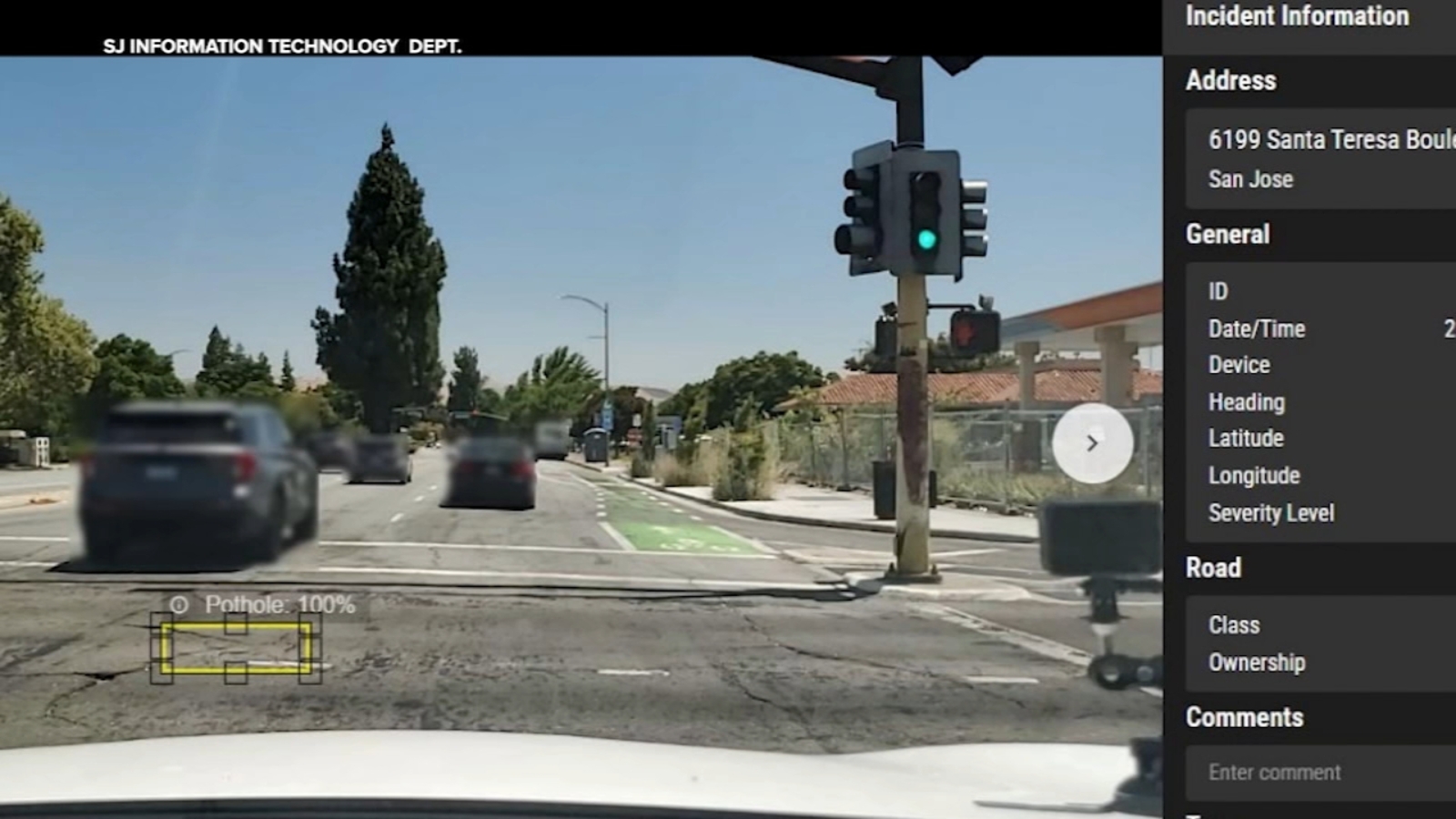
The city of San Jose, California is leveraging artificial intelligence (AI) to enhance road safety. Through a pilot program launched as part of the city’s innovative efforts to improve infrastructure and public safety, AI has been employed to detect roadway obstructions in real time. Early results from the initiative have shown promising outcomes, suggesting that AI may play a critical role in the future of urban traffic management.
San Jose, often at the forefront of tech-driven solutions, initiated this pilot program in collaboration with private sector partners. The primary objective was to identify and mitigate potential hazards such as debris, potholes, and other road obstructions that could pose safety risks to drivers, cyclists, and pedestrians.
How the AI Detection System Works
The AI technology operates through a network of mounted cameras and sensors on city vehicles and infrastructure. These devices capture visual data from the roadways and transmit it to a centralized system where machine learning algorithms analyze the information. The AI is trained to recognize a wide range of obstructions, from trash and branches to larger hazards like abandoned vehicles.
Once an obstruction is detected, the system automatically alerts the appropriate city departments, enabling faster response times for removal or repair. This proactive approach significantly reduces the time between when an obstruction appears and when it is addressed, enhancing overall roadway safety.
City officials have reported that since the implementation of the program, response times to road hazards have decreased by nearly 50%. This improvement not only benefits public safety but also contributes to smoother traffic flow and reduced vehicle damage.
Positive Results from the Pilot Program
According to officials, the pilot program has already shown measurable benefits. Data collected over several months indicates a substantial increase in the detection rate of roadway issues. The AI system has flagged hundreds of potential hazards, many of which might have gone unnoticed for longer periods under traditional reporting methods.
The city has also received positive feedback from residents who have noticed improvements in road conditions and quicker resolution of reported issues. The integration of AI has allowed the city to allocate its resources more efficiently, targeting problem areas based on real-time data rather than relying solely on public complaints or periodic inspections.
San Jose Mayor Matt Mahan expressed optimism about the program’s potential, stating, “Innovative solutions like this help us provide better services to our residents while using our resources more wisely. AI can be a powerful tool in building a safer and more efficient city.”
Future Plans and Expansion Potential
Encouraged by the success of the pilot, San Jose is exploring ways to expand the program. City planners are considering extending AI monitoring to additional districts and integrating the system with other smart city initiatives. These may include traffic light optimization, pedestrian safety enhancements, and predictive maintenance for city infrastructure.
Additionally, city leaders are collaborating with research institutions and private companies to refine the AI algorithms and improve detection accuracy. There is also interest in sharing the technology with other cities in the Bay Area, potentially creating a regional network to tackle roadway hazards more effectively.
As urban centers increasingly adopt smart city technologies, San Jose’s AI pilot could serve as a model for other municipalities looking to improve public safety and infrastructure management through cutting-edge solutions.
Challenges and Considerations
While the results have been encouraging, the program is not without challenges. Ensuring data privacy and addressing concerns about constant surveillance are key considerations. City officials have emphasized that the system is designed to focus solely on road conditions and does not collect personal or identifying information.
There are also technical hurdles, such as ensuring the AI system can perform reliably across different weather conditions and times of day. Continued testing and refinement will be essential to ensure the program’s long-term success and public trust.
Community Engagement and Transparency
To address these concerns, the city has launched a community outreach campaign to educate residents about the program. Public meetings, informational materials, and online resources have been made available to explain how the AI system works and how it benefits the community. Transparency and resident feedback will remain central to the program’s evolution.
Moreover, the city is exploring ways to allow residents to interact with the data, possibly through a public dashboard that shows real-time updates on road conditions and city responses. This initiative aims to build trust and engagement by giving the public a direct view of how technology is being used to improve their daily lives.
This article is inspired by content from Original Source. It has been rephrased for originality. Images are credited to the original source.