

Introduction: AI’s Growing Role in Mexican Agriculture
Artificial intelligence in agriculture is rapidly becoming a game-changer for Mexico’s farming sector. As one of the world’s largest exporters of avocados, tomatoes, citrus, coffee, and berries, Mexico’s agricultural prowess is undeniable. However, despite experienced farmers and fertile land, inefficiencies in logistics and trade have historically limited the sector’s potential. Today, AI-powered platforms like Wikifarmer are poised to revolutionize how Mexican farmers connect with markets, optimize yields, and improve their livelihoods.
The Challenges Facing Mexican Farmers
Mexican farmers currently receive a modest share—only 10% to 20%—of the final sale price of their crops. The remainder is absorbed by intermediaries and outdated systems. Cross-border trade often depends on informal networks and phone calls, resulting in delays and missed opportunities. Furthermore, less than 1% of agricultural trade in Mexico occurs online, leaving significant potential untapped.
The focus on artificial intelligence in agriculture addresses these challenges by streamlining transactions, reducing inefficiencies, and providing farmers with direct access to buyers, both domestically and internationally.
AI-Powered Platforms: Wikifarmer’s Innovative Approach
Wikifarmer, a Greek agricultural technology platform, recently secured US $7.7 million to expand its AI-powered trading system into Latin America, with Mexico as its primary market. Recognized by the United Nations Food and Agriculture Organization as the “Wikipedia of Farming,” Wikifarmer’s platform leverages artificial intelligence to predict commodity prices, match suppliers and buyers, and manage logistics and payments efficiently.
With over 40,000 Mexican users by the end of 2025, Wikifarmer’s tools are helping producers navigate fluctuating tariffs, unpredictable demand, and climate change. The company’s AI-driven system also manages credit assessments, a crucial feature in a country where farmers often struggle to access financing.
Real-World Results: AI’s Impact on Farmers’ Income and Efficiency
Globally, artificial intelligence in agriculture has delivered remarkable results. In India, AI-driven supply chain optimization has resulted in 30% to 50% higher incomes for farmers, along with reduced price volatility. Export-oriented farmers, empowered by AI platforms, have been able to access international markets and earn up to 50% more than those focused solely on local sales.
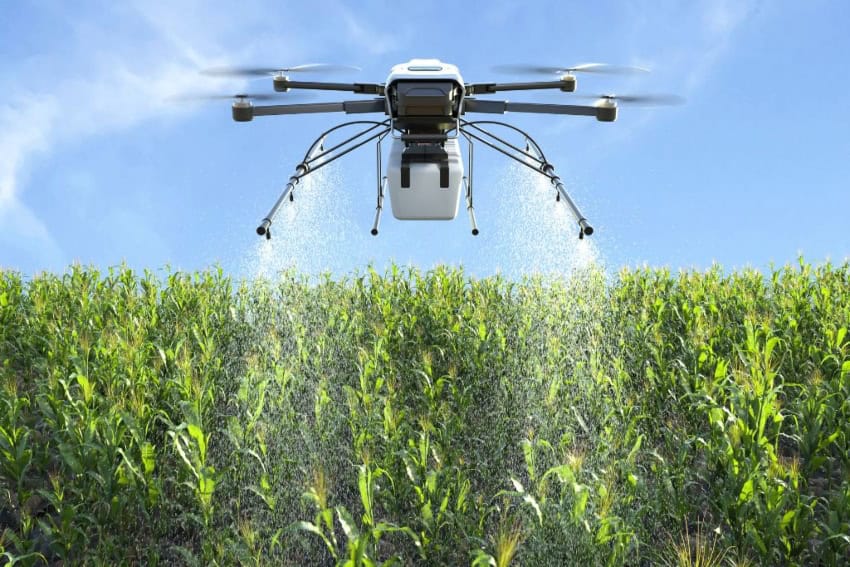
On the farm, AI enables precision agriculture—smart systems that monitor crop health, water needs, and pest threats in real time. This can reduce water usage by up to 25%, decrease the need for agrochemicals, and increase yields by 20% to 30%. For Mexican farmers, these tools enhance existing expertise, supporting better decision-making and more sustainable resource use.
Boosting Climate Resilience with AI
One of the most urgent challenges for Mexican agriculture is climate variability. AI’s predictive capabilities empower farmers to anticipate weather patterns, manage drought risk, and protect against extreme events. This is particularly valuable in Mexico’s diverse regions, where conditions can vary dramatically from north to south.
By incorporating artificial intelligence in agriculture, producers can not only safeguard their crops but also adopt more adaptive and resilient strategies for the future.
Unlocking Capital and Expanding Market Access
Wikifarmer’s AI platform analyzes commodity trends and supply cycles to generate accurate price forecasts, connecting buyers with certified suppliers. The system’s credit assessment tools further open up opportunities for Mexican farmers to secure financing for seeds, equipment, and expansion.
The recent funding round will help Wikifarmer expand its AI capabilities and launch FarmClick—a partnership with Greece’s Piraeus Bank to digitize agricultural services, from input procurement to financial solutions. Mexican farmers will be among the first to benefit, with the goal of transforming the incomes and prospects of thousands of agricultural workers.
Empowering Mexican Farmers for the Digital Future
As AI continues to transform agriculture in Mexico, producers are gaining the digital infrastructure they need to thrive in a global market. By harnessing artificial intelligence in agriculture, farmers can amplify their expertise, boost yields, and ensure sustainable growth for years to come.
Platforms like Wikifarmer are not just introducing new technology—they are empowering Mexican farmers to take charge of their futures, connect directly with buyers, and achieve greater profitability and resilience in an ever-changing world.
This article is inspired by content from Original Source. It has been rephrased for originality. Images are credited to the original source.